November 28, 2025 · 2 min read
A Note on Shooting Weddings (We Don't)
A few times a month someone asks whether our studio shoots weddings. We don't, and here is the working note on why that clear line keeps our craft sharp.
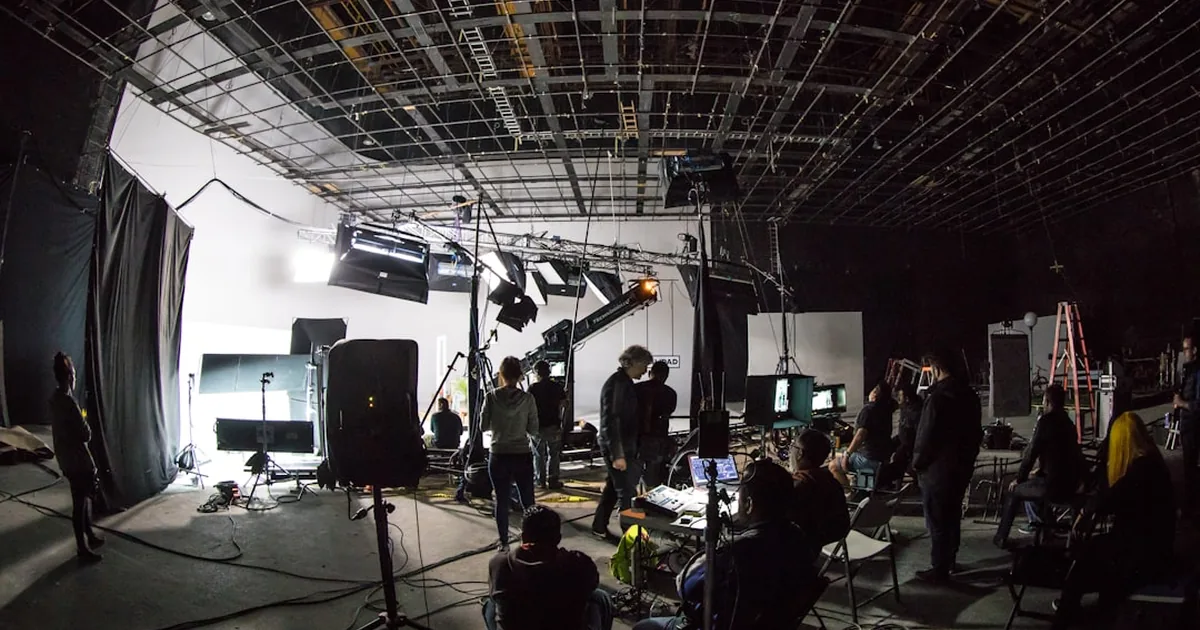
A few times a month, an email arrives asking whether we shoot weddings. The honest answer is no. We'd rather explain it than send back a one-line decline. We are a production company that doesn't shoot weddings — not because there's anything beneath us about the work, but because it asks for a different craft than the one we practice.
So this is a working note on what that difference actually is, and why keeping the line clear serves the films, scores, and soundtracks we do take on.
What a wedding asks for, and what a film asks for
A wedding asks you to document something that happens exactly once. The vows are said, the room reacts, the light does whatever it's going to do, and you have to be there — fast and certain, with no second chance to reframe. It rewards a particular kind of nerve, and a particular generosity toward a day that isn't yours.
A film asks for nearly the opposite. We build a sequence deliberately: blocking, multiple takes, a shot list that exists before anyone rolls, and a long post pipeline behind all of it. As Filmmaker Magazine observed in writing about filmmakers who take wedding work to stay afloat, a single wedding can pay nearly as much in a day as an entire micro-budget feature. That economics is real, and it's exactly why the work pulls so many capable crews away from authored projects. We understand the pull. We've just decided where our hours go.
The discipline of the second take
Most of what we do depends on repetition. The second take that lands calmer than the first. The room tone recorded once everyone finally goes still. An ADR session months later to rescue a line the location fought us on. Picture lock, then a color grade, then an M&E stem built so the film can travel. None of that exists at a wedding, and it shouldn't — event coverage earns its value by compressing all of it into a single unrepeatable pass.
We're organized around the slow version. The edit suite, the scoring sessions, the mix stage: each one assumes we get to try again. Carry that apparatus into a ceremony and it becomes both useless and faintly insulting to the people who do that day well.
What saying no protects
Saying no to one thing is how a studio stays good at another. A shop that takes every job dilutes the very thing worth hiring it for — a point that holds across independent film generally, not only for us. When someone needs their wedding filmed, we point them toward a dedicated event videographer who lives for that day, and we mean the referral as a compliment to both crafts.
What we keep, by declining, is the attention a scored and properly mixed film actually demands — the sound work that only reveals itself when there's time to sit and listen. If you want to see what that attention buys, the rest of these working notes makes the better argument than anything we could say about weddings.
Keep reading
More from the journal →