August 10, 2025 · 4 min read
Booking a Composer: What to Ask in the First Call
The first call with a composer settles fit, scope, and how notes will travel for months. Here is what we ask before any score, schedule, or fee is set.
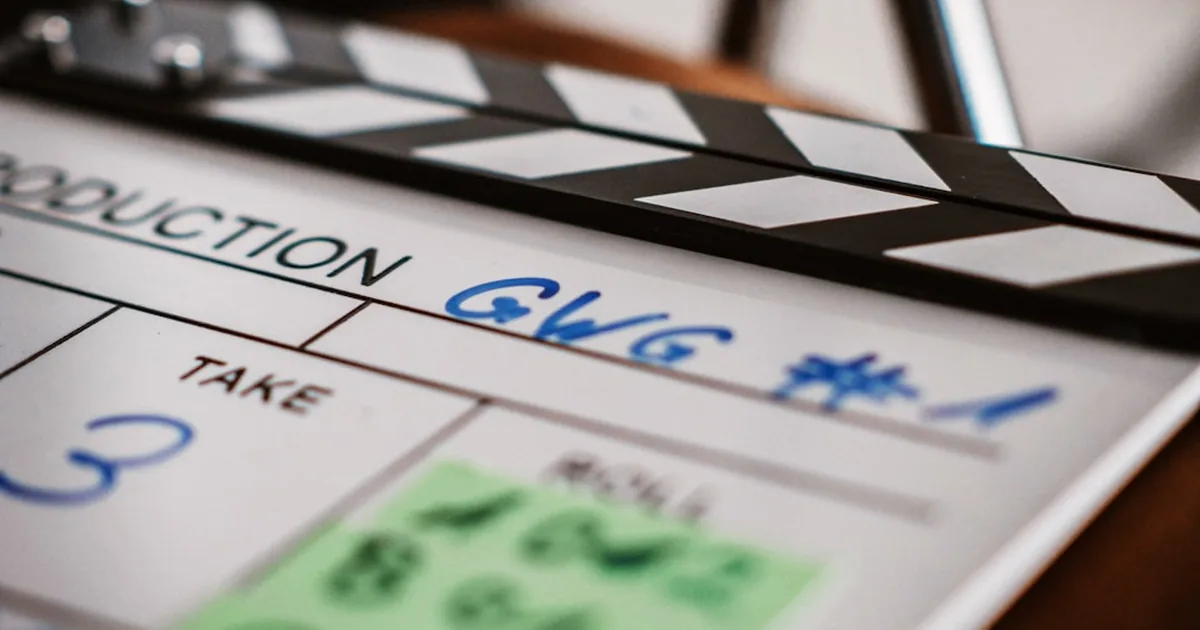
A composer's first call rarely feels decisive. No contract on the table, no cue written, often no locked picture to talk over. Yet by the time it ends, most of what will matter about the collaboration has already been set — whether the fit is right, whether money and time have been spoken about plainly, and whether notes will move freely in both directions once the work begins.
We treat that call as the real audition. Not of the reel, which we've usually already heard, but of the working relationship. What follows is what we listen for, and what we ask, before any score, schedule, or fee is agreed.
What the first call is actually for
Choosing a composer has more in common with casting a lead than with hiring a vendor. As director Alex Steyermark put it in Filmmaker Magazine, the person "has to be right for the part" — fit and shared sensibility matter as much as the body of work.
So the opening questions aren't technical. We ask what a composer responded to in the material, what they'd protect, what they'd push against. The answers that interest us tend to arrive in non-musical language — a reference to a novel, a painting, the way a scene breathes — because that's the register in which scores are actually decided.
Underneath all of it sits a plainer question: can we work together. Months of exchanging unfinished, vulnerable drafts lie ahead. Can a note land without the room going cold? Can the composer disagree without either side growing defensive? When that exchange feels easy on a first call, it usually stays easy.
Talking about music when you don't speak music
Few directors have a fluent musical vocabulary, and they don't need one. The trap is trying to borrow it. Ask for something "more minor," or in "a different meter," and you tend to confuse the very person you're relying on. Describe the feeling and the dramatic intent — the way you'd give a note to an actor — and you don't.
This is also the moment to get specific about reference material, and to name it correctly. A guide track, a scene cut against an existing piece, communicates intent precisely, but it carries a risk: the composer can end up writing pastiche, and cues become harder to hold together. A reference track, offered as mood rather than template, leaves room for an original voice. We say which one we mean.
The last piece is latitude. Composers Julian Hamlin and Edmund Jolliffe, speaking at a Sheffield Doc/Fest masterclass covered by IndieWire, noted that how creative a composer gets is finally the director's call — you can brief tightly, leave it open, or do a bit of both, and the strongest results often come from the middle. Settling that on the first call saves weeks. So does saying out loud what instrumentation and feeling you already hear.
The questions that surface budget, schedule, and rights
The awkward questions are the ones worth asking early, and budget is the first. We put a real number on the table rather than fish for a quote. A working benchmark is that five to ten percent of a film's budget goes to music, and even a composer with a home studio carries fixed costs — players, an engineer, materials. Naming the figure lets the composer tell you what it can actually buy — a string quartet, a single soloist, or a sample library handled with care.
Schedule is the second. Bringing a composer in early isn't a courtesy; it changes the work. As composer Kim Halliday wrote in Filmmaker Magazine, the longer a composer has to think, the more choices the director ends up with. We agree a delivery timetable and a check-in rhythm on the call, so revisions have a shape instead of arriving as surprises.
Rights and deliverables are the third, and the most often skipped. A clean handoff is not only audio. We confirm it includes uncompressed cues, a cue list, release forms from every musician who played, and a written license to use the music. Asking on the first call signals that we expect the paperwork to be right — and it almost always is.
A closing note
None of this needs a contract; the contract only records what the first call already decided. The score's working life — how candid the notes stay, how the deadlines hold, who owns what — takes its shape in that conversation. Sound is the pillar where our projects most often turn on a single early decision, and this is usually the one. The rest of the journal is, in a sense, a record of conversations like it.
Keep reading
More from the journal →