July 1, 2026 · 3 min read
Choosing a DCP House: A Small Checklist Before You Commit
The DCP is the last file anyone touches before your film reaches an audience, and it is the easiest place to lose a screening. A working note on choosing a DCP house — cost, formats, and the checklist we run before committing.
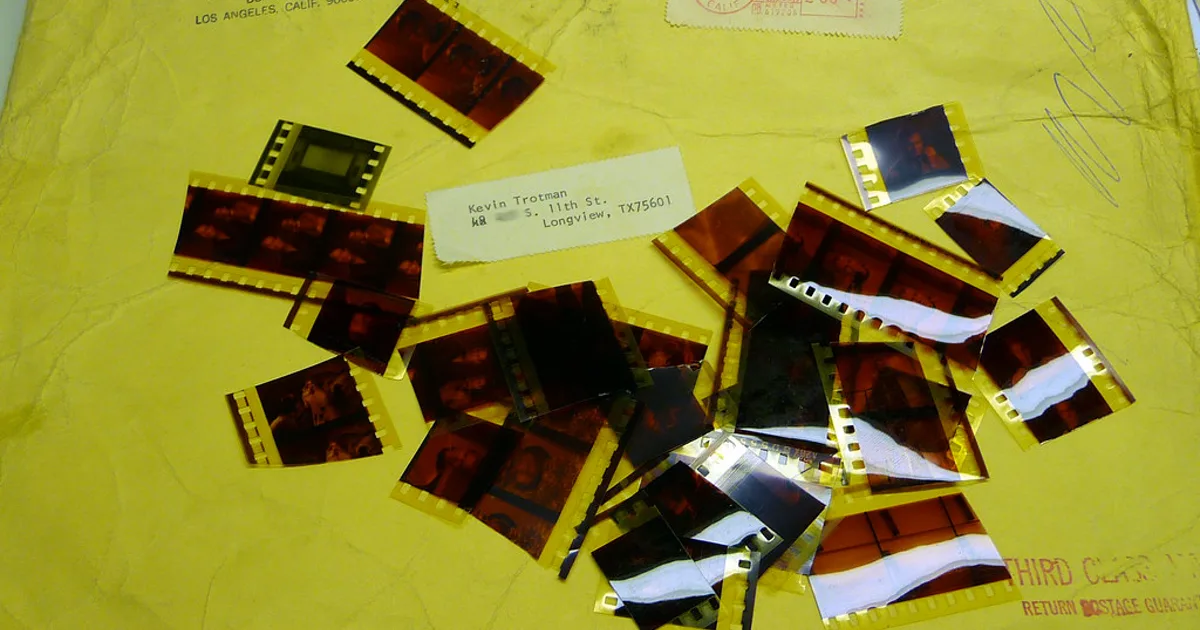
The last file, and the easiest one to lose
The DCP is the last file anyone touches before your film reaches an audience, and it is the easiest place to lose a screening. Everything upstream arrives here — the picture lock, the color grade, the M&E stem — folded into a single package that either plays clean on a festival server or doesn't. Choosing who builds that package is a small decision with an outsized failure mode. A rejected DCP can mean no screening at all, on the one night the room is full.
So the question isn't really "who is cheapest." It's "who catches the problem before the projectionist does."
What a DCP house actually buys you
You have two roads. Build the package yourself with DCP-o-matic or OpenDCP, or pay a house to do it. The economics are not subtle. A professional posthouse — Deluxe, Technicolor, and the tier around them — will run roughly $2,500 to $5,000 for a feature DCP. Budget services sit at $750 to $1,500, and Filmmaker's own delivery guide is blunt that the quality there "ranges from very good to horrific."
What the higher number buys isn't pixels. It's QC, correct delivery media, and someone who has watched a server reject a package before and knows why. We learned that distinction the hard way once — it's part of one festival submission that went sideways on us, and the lesson stuck. A DCP house is really buying down the risk that the film simply won't play.
One more thing worth an email before you spend anything. Some festivals hold posthouse sponsorships that will convert a film free or at a deep discount, so ask the festival's TD before you assume you're paying full freight.
The formats you need to get right
A DCP is not one thing. Picture is JPEG 2000 essence wrapped in MXF; audio is uncompressed 24-bit PCM at 48 or 96 kHz, up to sixteen channels. That much is settled. The decisions that actually bite are the ones a cheap service will make silently on your behalf.
The first is standard. New work should target SMPTE, published in 2009, but the older Interop remains broadly playable and some venues still prefer it — confirm which the room supports rather than assuming. The second is geometry: 2K at 2048×1080 or 4K at 4096×2160, framed Flat at 1.85:1 or Scope at 2.39:1, at the frame rate the film was actually finished in. A mismatch here is the classic silent failure. It encodes fine and plays wrong.
Then there's encryption. An encrypted DCP needs a KDM tied to a specific server and a specific time window; get the certificate wrong or miss the window and the film goes black. For most festival runs there's no reason to carry that logistics tail — ship unencrypted unless a distributor or venue explicitly requires otherwise.
A short checklist before you commit
The whole thing reduces to a handful of questions we ask before any package leaves the building — the same care we bring to a music spotting session, where the boring diligence is the point:
- Test it in a real theater. No DCP ships from us untested on an actual server and screen. This is non-negotiable, and a house that resists it is telling you something.
- Confirm standard, frame rate, and aspect ratio against both the finished film and the venue's spec.
- Match the delivery media to the festival's ask — many still want a feature on a CRU drive, a SATA III disk in a DX115 DataPort caddy, not a link.
- Pin down subtitles and captions: burned-in or a separate track, and who owns the fix if a line is wrong.
- Get turnaround, re-export policy, and a named contact in writing before you approve the invoice.
And the rule that overrides all of it: when a festival's spec contradicts general advice, follow the festival. Their projectionist is the one who has to make it play.
Working note
Choosing a DCP house is a QC-and-logistics decision dressed up as a purchase. Treat it that way and it stays boring; treat it as a commodity and it finds a way to become interesting on the worst possible night. Build the checklist into your delivery calendar early — well before the deadline compresses your options — and the last file becomes the one you worry about least. That is the whole ambition of film work here: to make the ending quiet.
Keep reading
More from the journal →