September 14, 2025 · 4 min read
Dialogue Editing Before Sound Design, Every Time
We cut dialogue before we design a single effect, every time. The spoken track is the spine the rest of the mix aligns to, so we always settle it first.
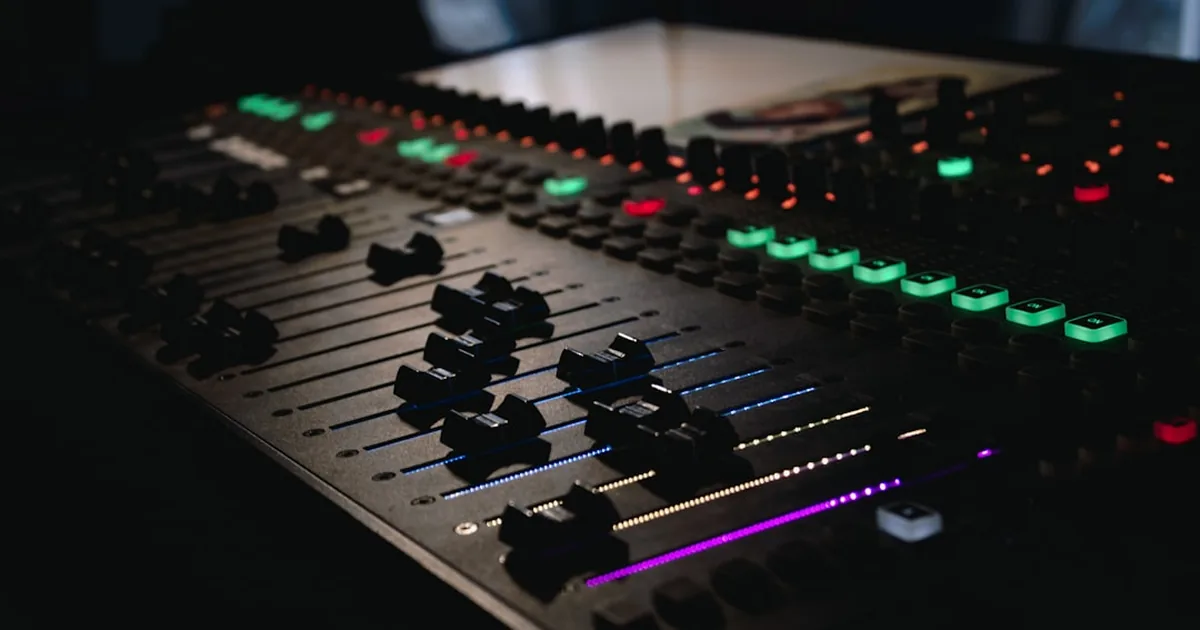
A soundtrack is assembled in a particular order, and the order is an argument. We cut dialogue before we design a single effect — not because the schedule forces our hand, but because the dialogue track is the spine the rest of the mix has to align to. Clean it first, and everything that follows has something honest to sit against.
The temptation on a lean independent budget is to treat post sound as one undifferentiated pass: drop the production audio, a few effects, some ambience, and a temp score into a session and shape all of it at once. It feels faster. It rarely is. When the spoken track is still full of handling noise, mismatched room tone, and dead sync, every effect you place is reacting to a moving target.
So the rule we keep is plain. Dialogue editing comes first. Sound design comes after.
The dialogue track decides what the room is
Before a single designed sound exists, the dialogue already tells you what space the scene lives in. The size of the room tone, the brightness of the reflections, the distance of the off-camera lines — those cues set the acoustic frame that effects and ambience then have to respect. Build a designed wind bed or a traffic exterior first and let the dialogue arrive later carrying a different room, and the two fight. The audience hears the seam even if they can't name it.
Editing dialogue first also tells us what we don't have to invent. A clean production track often carries usable footsteps, cloth, and prop sounds that a foley artist would otherwise be asked to replace. We decide what stays and what gets stripped to its own track before anyone designs a substitute. As one working account of post sound budgeting in Filmmaker Magazine makes plain, the order in which a soundtrack is built is a budget decision as much as a creative one.
What we settle before anyone calls it design
Dialogue editing is unglamorous and load-bearing. We pick the best microphone source line by line, smooth the background from cut to cut so the bed doesn't jump, and fill the gaps with matched room tone recorded on the day. Mouth clicks, chair creaks, and stray production noises come out — and the useful ones get moved to their own tracks rather than deleted, so the effects pass can choose to keep them. It is the same instinct behind the rest of the studio's working notes on craft: protect the material before you decorate it.
This is also where ADR gets decided, not discovered. A line that editing can't save is flagged early, while the actor and the schedule still exist, instead of surfacing as a panic three days before the mix. By the time we hand off, the spoken track is continuous, intelligible, and sitting at a stable level. Only then is there a stable surface to design onto.
Why effects and ambience come after, not alongside
Sound design is addition: foley, hard effects, designed elements, and the ambiences that knit a world together. Done well, it disappears into the story. But it can only disappear if it has something fixed to disappear behind. Work the other way around — designing lush beds and then trying to wedge a cleaned dialogue track through them — and you tend to get a mix where the effects are loud because they were finished first and nobody wanted to lose the work.
There is a craft logic here that mixers and editors have split along for decades, and it survives because it holds up. Sound on Sound's primer on sound design for visual media describes the same sequence from the design side: get the foundational layers right before the decorative ones go on. The dialogue is the most foundational layer there is. It carries the performance, and the performance is the film.
It protects the deliverables, too. A clean, isolated dialogue edit is what makes a usable M&E stem possible at the end — the version a distributor needs for dubbing, with music and effects intact and dialogue removed. Build the design on top of muddy dialogue and that stem becomes a salvage job.
A closing working note
None of this is dogma for its own sake. It is the cheapest path to a soundtrack that holds together: settle the voice, then build the world around it. When we talk about sound as one of the studio's pillars, this is what we mean in practice — not a library of dramatic effects, but a discipline about order. The dialogue tells us what the film is. We listen to it first, and we design for it second. You can hear the difference, even when you can't point to it.
Keep reading
More from the journal →