July 12, 2026 · 4 min read
Independent Music Video Budgets Are Smaller Than People Think
Outsiders imagine six-figure shoots. Most working music videos run on a fraction of that, and the gap between the imagined number and the real one is worth naming plainly.
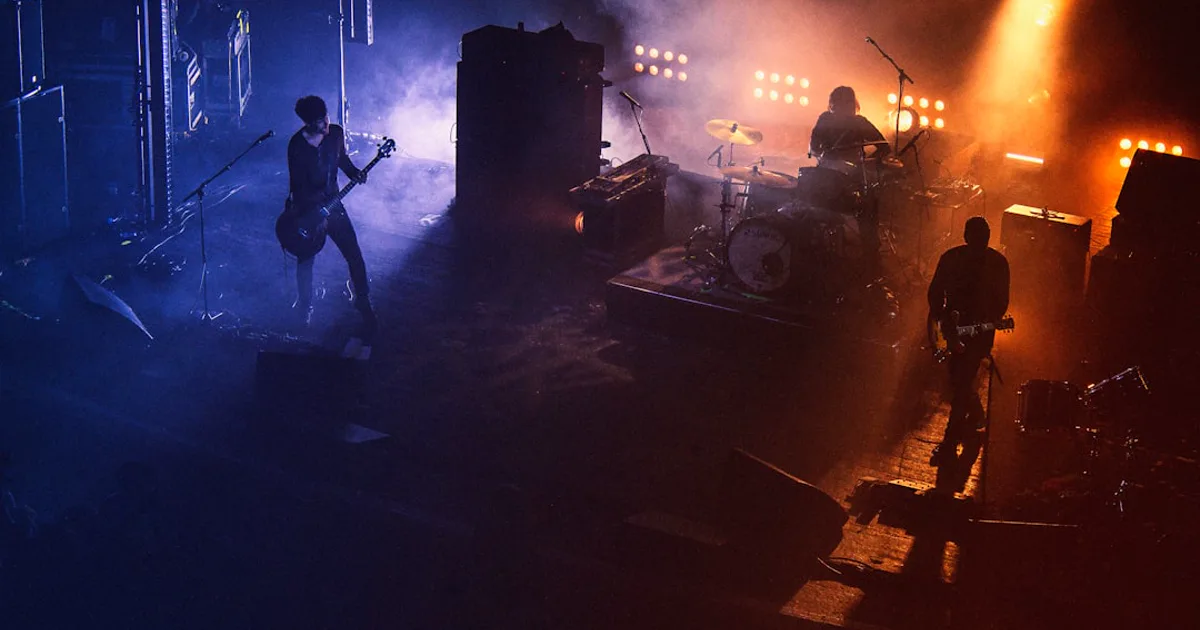
Ask someone outside the industry what a music video costs, and the number they reach for is still the MTV-era one — six figures, a soundstage, a treatment with a director's name attached that means something. That number describes almost nothing being made today. Most working music videos run on a fraction of it, and the gap between the imagined budget and the real one is worth spelling out, because it changes what an artist should ask for and what a studio should quote.
The reason is structural, not aesthetic. Music video budgets fell considerably once the format moved from television airplay to internet distribution, and most videos now get made on what amounts to no formal budget at all. What follows: what a real low budget actually buys, where the money goes when there is money, and why the math around it keeps everyone honest about scope.
What a Real Low Budget Actually Buys
The tier language production companies use — low, mid, high — is honest but misleading for most independent artists, because "low tier" in that framing still means $5,000 to $15,000. The band actually calling a studio is usually shopping in a $500 to $5,000 range, not the low tier a line-item budget template assumes.
What that looks like in practice: a real working shoot broke down to $500 for a camera rental, $300 for the location, $200 for props and costumes, and $500 for editing — $1,500 total. Below even that number, a production designer working a video for the band Run 8 Rider dressed the entire set on a $300 budget, built from borrowed and repurposed materials rather than rentals. Neither example reads as a cut corner on screen. They read as decisions.
A good share of that decision-making happens before a single frame is shot, in how a video's opening shot gets planned — the opening shot is usually where a tight budget gets spent first, and where a weak concept gets exposed fastest. It's also the shot most likely to get reworked on the day, which is its own argument for keeping the crew small enough that a reshoot doesn't blow the schedule.
Mid-tier budgets buy something categorically different, not just more of the same thing. $10,000 to $50,000 gets a dedicated director and cinematographer, a crew of six to twelve, proper lighting rather than available light, one or two dressed locations, wardrobe and styling, and one to two full shoot days. That's the tier where a treatment starts to matter — there's enough budget to actually execute a concept rather than improvise around its absence. Below that line, the constraint isn't taste. It's time and crew, and both get solved by planning tighter, not by spending more.
Where the Money Actually Goes
On a video that does have a real production budget, production-day costs — crew wages, equipment rental, location fees — typically run 40 to 60 percent of the total. Everything else, from pre-production to delivery, splits the rest.
Post-production is where the real leverage sits. Editors bill $25 to $150 an hour, and a standard three-minute video takes two to three days of editing at minimum. A colorist adds roughly $115 an hour on top of that — arguably the single most cost-effective line item on the sheet, since color grade is what makes inexpensive footage read as expensive. The biggest single lever an artist controls, though, is crew size: director and cinematographer fees, plus day rates for a DP and gaffer, move more than any gear rental does. Cutting the crew from twelve to four changes the budget more than any camera choice will.
Equipment packages compound this. A camera, lens set, and lighting kit bundled as a package deal from a single rental house costs meaningfully less than the same gear sourced piece by piece, and it collapses the pickup-and-return logistics into one trip instead of three. The same logic applies to location: a studio with a cyc wall, or a private residence with usable natural light, removes the permit and insurance overhead that a public street or a commercial space adds automatically. None of these are creative compromises. They're logistics decisions that happen to also be budget decisions — usually where the real savings live.
The Streaming Math That Keeps Budgets Honest
For an artist funding a video out of streaming royalties rather than a label advance, the arithmetic rarely closes. Recouping a $15,000 video from streaming income alone takes millions of plays — a number most independent releases never approach. That constraint is exactly why concept-over-spend keeps winning over production value. Vulfpeck has built a career shooting videos in roughly a weekend and a pizza, and Kiesza's "Hideaway" was filmed in one unbroken take down a Brooklyn street on a shoestring. Neither reads as compromised. Both read as decisive.
The honest version of the lesson isn't "spend less." It's that a $500 video built around a real idea consistently outperforms a $5,000 video built around a vague one — so budget conversations should start with the idea and let the number follow it, not the other way around.
A Working Note
Most of the studio's music-video conversations with an artist or label start the same way: sizing the idea against the real number, not the imagined one, before anyone talks shoot days. That conversation runs alongside a separate one on the music side — closer to a spotting session with a director than to a budget spreadsheet, because the visual budget and the music decisions get scoped together, not in sequence. Before pricing a shoot day, we ask what the video needs to do that a still image or a lyric video couldn't. Most of the time, the honest answer sets the budget before the line-item sheet does.
Keep reading
More from the journal →