February 18, 2026 · 3 min read
Listening, in three rooms
Atmos in documentary is no longer a flex. It's a budget line and a creative question — and it's changing the kinds of films we shoot.
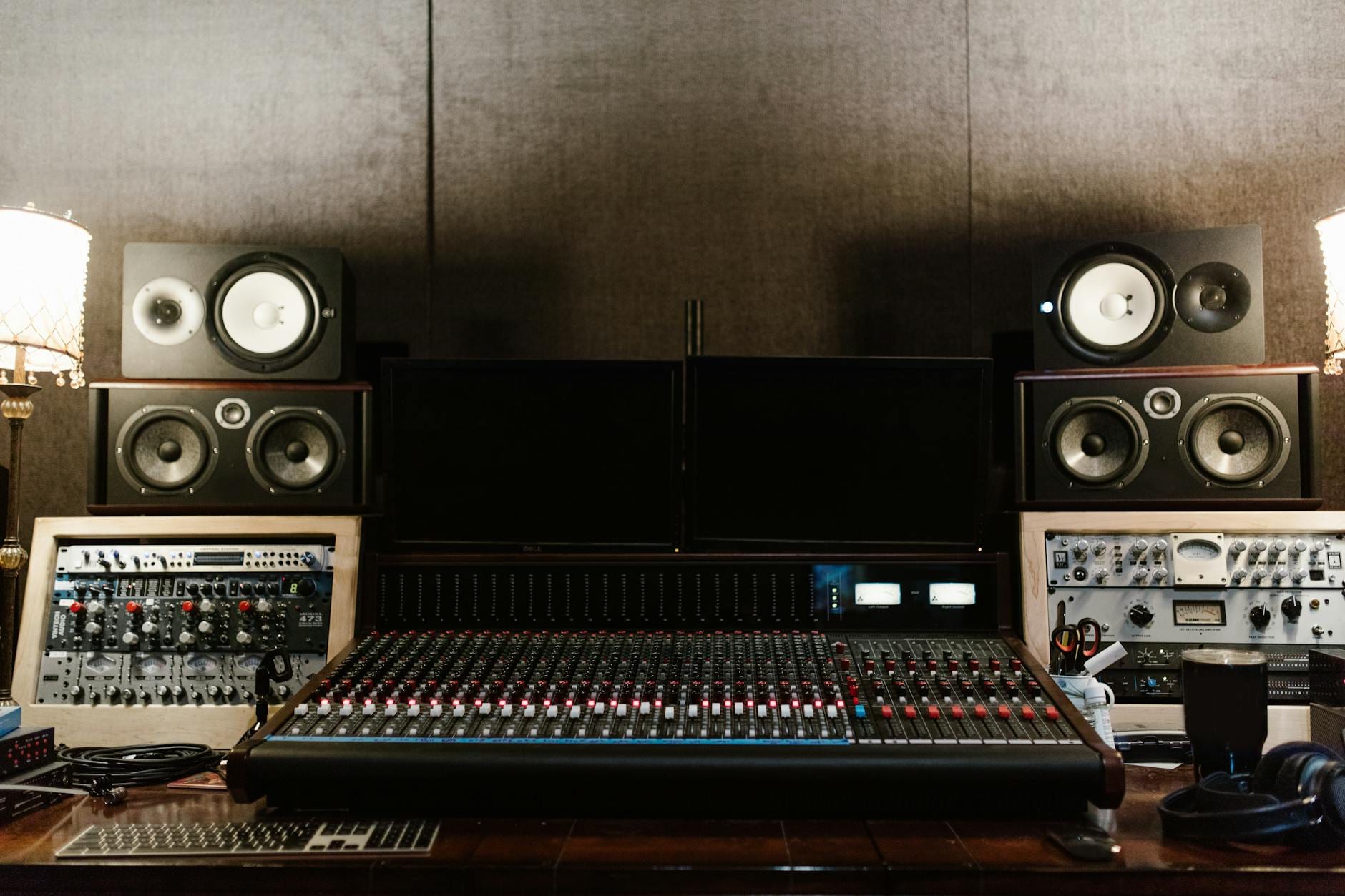
The first time we delivered a documentary in Dolby Atmos was 2023. The mix took six weeks instead of two. The festival deliverable was a stereo fold-down that lost most of the carefully-placed atmosphere. The streamer delivery was Atmos. The screening room at the festival mixed to 5.1. We delivered three masters and spent the budget for two.
This is now the floor. In 2026, every commission we've taken on this year has Atmos delivery in the contract. Most have stereo and 5.1 as additional deliverables. The cost has not come down. The expectation has gone up.
Some thoughts on what to do about it.
Atmos changes the mix from a 2D map to a 3D one
In stereo, you have left and right and depth (via reverb and EQ). In Atmos, you have the room. Sound design that worked in stereo — a crowd, distant, panned slightly off-center — becomes something else when you place the crowd around the listener at ear height. The atmosphere is not "louder" or "more enveloping." It is located. Done badly, this is disorienting. Done well, it makes the difference between a documentary you watch and one you remember being inside of.
Editors need to plan for it
We used to deliver locked picture to the mix engineer and expect the sound design to follow. With Atmos, the editor has to know — at least roughly — what the immersive plan is. A cut that's perfectly paced in stereo can read as choppy in Atmos because the sound objects don't have time to settle into their positions. Cross-fades that worked in 2D need to be re-thought.
Editors who have started thinking three-dimensionally cut differently. They give a wide ambient longer to develop. They place dialogue more deliberately. They protect silence — because silence in Atmos still has spatial geometry, and the wrong cut can collapse it.
Budget for three rooms
The cheapest mistake is to budget for an Atmos mix and assume the stereo and 5.1 fold-downs come for free. They don't. Each version is a separate creative decision. The fold-down algorithm makes choices the director may not agree with. We budget a small additional pass for each downmix — usually a day per format — to make sure none of them feel like leftovers.
It is changing the kind of films we make
When the medium can carry the room, we want to put the room into the film. Festival documentary is the most obvious case — a soundsystem in the desert, a crowd in a church, a club at 4 AM, these are environments that 5.1 could approximate and Atmos can render. We've started shooting with the mix in mind. More plant mics. Longer ambient capture before the action starts. We send the location sound recordist a shot list that's also a room list.
What we tell new collaborators in 2026
This is not a manifesto. Not every documentary needs Atmos. Some films are intimate enough that stereo is the honest choice, and adding spatial would feel like a special effect. But once you've worked on a film that does it well, you cannot un-hear what's possible. The expectation has shifted. The craft has to follow.
The question we ask in pre-production now is not "are we mixing in Atmos." That's a budget question. The question is: what's the room of this film, and how do we put the audience in it.
Keep reading
More from the journal →