November 17, 2025 · 4 min read
Why We Say No to Subscription Pricing for Film Projects
Clients increasingly ask our studio for a flat monthly rate. We decline it for film work, and here is the reasoning, plainly, from inside the edit room.
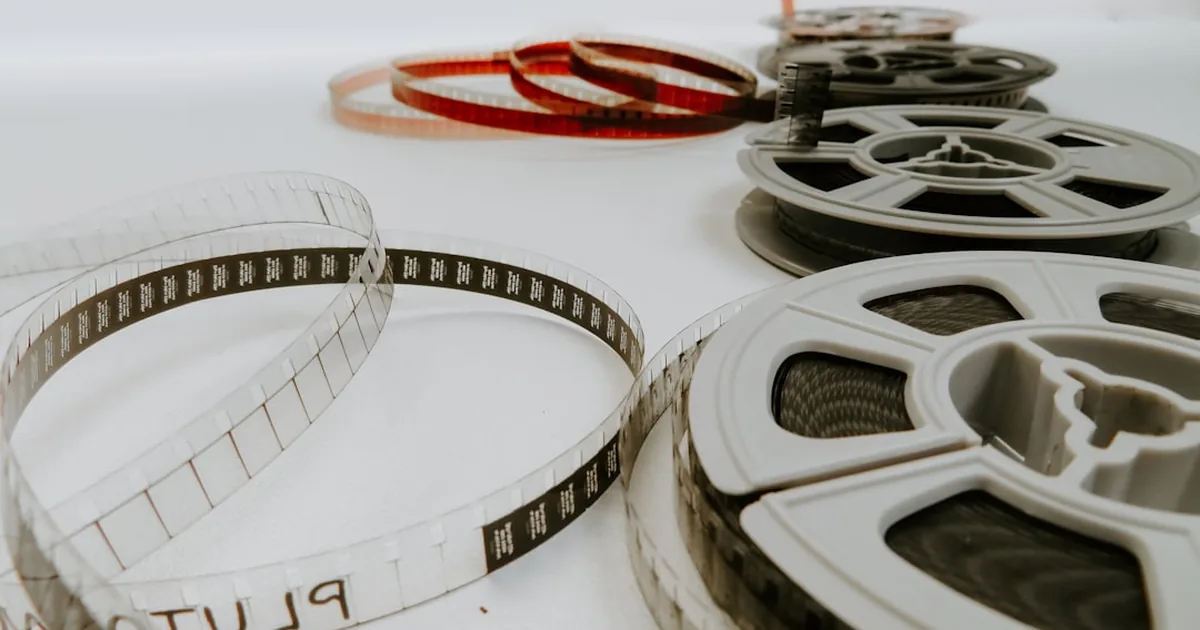
Every few weeks, a prospective client asks whether we'll work on a monthly subscription: a flat recurring fee, unlimited requests, cancel anytime. It's a fair question. The model has reshaped how a lot of creative work gets bought, and for some kinds of output it makes real sense. For the work we do, we decline it — and we'd rather explain why than leave it at a polite no.
Still Field is a small studio. We make features, we supervise and compose original music, and we cut sound for festivals, artists, and cultural institutions. None of that behaves like a feed you can top up by the month. So consider this a working note on a recurring conversation: what subscription pricing actually optimizes for, why a film is a finite object rather than a stream, and what a fixed project bid protects for everyone at the table.
What a subscription actually optimizes for
A subscription is a promise about volume. You pay for a window of time, and the studio commits to filling it — a steady cadence of deliverables, a queue that rarely empties. That's a reasonable fit when the work is modular and continuous: a brand that needs fresh cutdowns every week, a channel that has to be fed. The math rewards throughput, and throughput is the point.
The trouble is that the pricing model you sit inside quietly sets your incentives. Bill by the month and you start to optimize for filling the month — for keeping the queue moving, rather than for letting a single piece take the time it needs. That same logic has been hard on the people who make films in the first place. Filmmaker Magazine's survey of independent film revenue describes how the subscription streaming economy — unlimited viewing for a small monthly fee — has steadily devalued individual titles, with thin per-title license fees passed back to the creators. A picture lock is not a content quota. We have no interest in a calendar that starts treating it like one.
A film is a finite object, not a feed
A feature has a beginning and an end. So does a score. So does a sound pass. Each one is scoped — a defined deliverable, a start date, a picture lock, a festival window, a DCP that either makes the deadline or doesn't. You can't meaningfully subscribe to a single, bounded thing. You commission it, you make it, you deliver it, and then it's finished.
When we price a project, we're pricing that object: its length, its complexity, the number of reels, the state of the production sound, whether the music is licensed or composed from scratch. People on the finance side of the industry make the same argument from the money end. At a finance panel reported by IndieWire, sales agents pressed filmmakers to match a budget to the realistic market for the specific film rather than inflate it on reflex. "Your movie is worth what your movie is worth," as one of them put it. Price follows the work, not the calendar.
What a fixed bid protects, on both sides
A fixed project price is a small contract about trust. The client gets one number tied to one defined scope. No meter runs during a slow week, and there's no quiet pressure on us to manufacture revisions to justify a recurring charge. In return, we get something just as valuable: room to spend the right amount of time on the things that don't scale — chasing clean room tone, sitting with a color grade until it settles, running a real spotting session with the director instead of a hurried one.
None of this makes retainers wrong everywhere. Ongoing music supervision, or a long relationship where the work genuinely is continuous, can fit a monthly shape — and when it does, we'll say so plainly. This is a position, not a law. But for a film, a fixed bid against a clear scope keeps the incentive pointed where it belongs: at the work, rather than at the meter.
A working note to close
So when the subscription question comes up, our answer stays the same. We price the film, not the month. We'd rather quote a real number for a real object and then disappear into the work — the edit, the mix, the final sound pass — until it's done. It's a quieter way to run a studio, and it's the one that lets the sound and the picture get the attention they're owed. More of how we think about the craft lives in the rest of the journal.
Keep reading
More from the journal →