June 7, 2025 · 3 min read
A note on shooting in cold weather
A field note from a recent winter exterior: the dew point did more damage than the cold, crew dexterity dropped first, and pacing turned into the real fix.
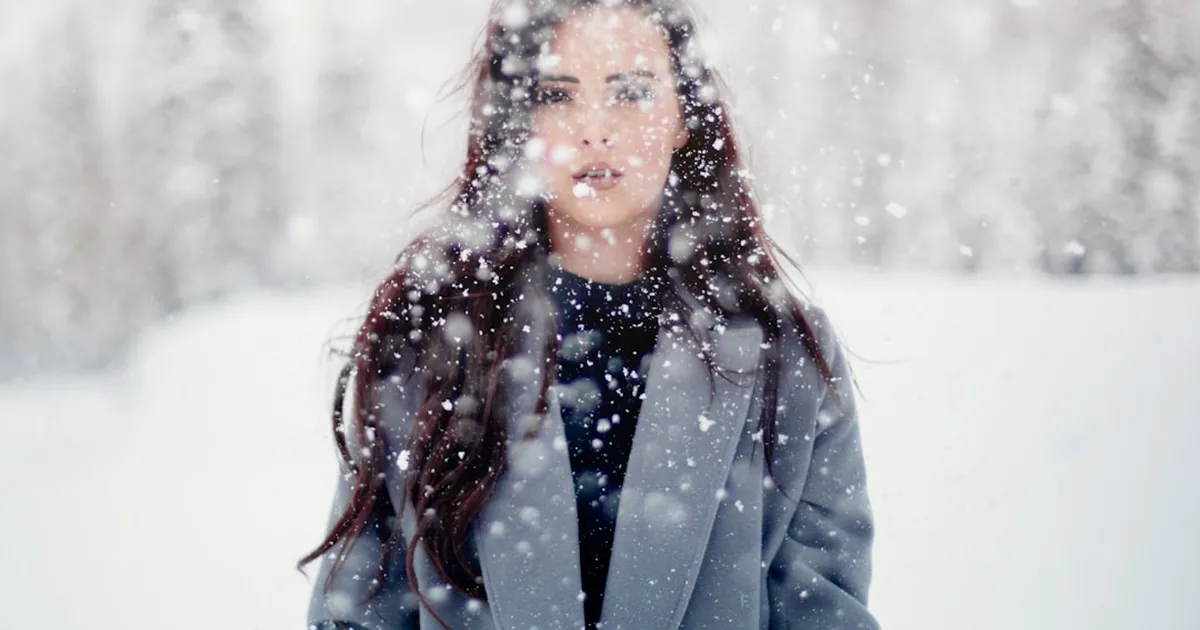
Cold doesn't break a shoot the way people expect. It changes the pacing first, then the gear, and the order matters. The temperature itself is rarely the failure point — the transitions are. That's the lesson we take back from every winter exterior, and it's the one we keep having to re-learn.
What follows is a field note from a recent cold-weather shoot, not a survival guide. We have no interest in romanticising the conditions. The shoot ran, the footage held, and we changed a few things in our production playbook afterwards.
What we noticed
The dominant failure mode wasn't equipment freezing. It was the transitions. Moving cameras and lenses between a warmed-up van and a sub-zero exterior put condensation inside the housing on the second cycle of the day. Sound on Sound put this plainly years ago: gear rarely dies in the cold, but it dies fast when you carry cold equipment across the dew point into warmer humid air, because moisture condenses on and inside the chassis. The same principle applies to sensors, lens elements, and recorder PCBs identically.
Cables stiffened. By mid-afternoon, a coiled XLR cracked at the strain relief — plastic jackets get brittle long before the electronics do. Crew dexterity dropped before camera performance did. Focus pulls suffered. Reset times between takes roughly doubled by hour three. Camera and timecode batteries gave us about half their warm-room runtime, and the location sound mixer's recorder dropped to a four-hour stretch on a battery rated for eight.
One thing worth keeping
Snow itself is a generous top light. Overcast cloud plus ground bounce gives a near-shadowless soft fill that no lighting truck would have matched. The look improves while the workflow gets harder — a trade worth naming up front during pre-production, as the practitioner roundup IndieWire ran on winter shoots and production value lays out clearly.
What we changed or kept
We pre-tested the rental gear in a chest freezer at the studio overnight. The failures we cared about — a flaky timecode cable, one bad battery sled — surfaced on the bench instead of on the day. The DPs on the National Geographic Antarctic series describe the same protocol when they talk about filming Secrets of the Penguin in sub-zero conditions: freeze-test in advance, expect cables to be the first thing to break, and rewire heated gloves to run off the camera battery so the 1st AC keeps fine motor control without removing them. We hadn't done that last one before. It mattered more than any other single decision we made on the trip.
For sound we ran two recorders in parallel — the Plan B principle Sound on Sound has been making the case for in its field recording technique pieces for years. Cold causes the kind of intermittent SD-card and battery failures a single-system recordist can't recover from in the field. Redundancy is cheaper than a re-shoot.
Battery rotation: pairs warm in an interior pocket, swap to the camera, swap one back to body heat. That doubled effective runtime without changing any equipment. Pacing: twenty-minute shooting bursts with a ten-minute warm rotation through a heated tent. Slower on paper, faster in practice, because reset times shrank back to normal.
A cold shoot doesn't reward heroics. It rewards a longer call sheet, redundant equipment, and a crew that's allowed to warm up before someone insists on it. The discipline we took back into the room afterwards was the sound team's — parallel recorders, mechanical wind protection, patience before recovery — and it applied as much to the next interior music session as to the next exterior. Protect the take before you try to recover it. That's the through-line, regardless of what the temperature outside happens to read. More working notes in the journal.
Keep reading
More from the journal →