September 25, 2025 · 3 min read
Sync Licensing for Indie Features: A Working Note
Every needle-drop in an indie feature needs two clearances. We walk through festival-only licenses, the option to extend, and carving a sync fee down.
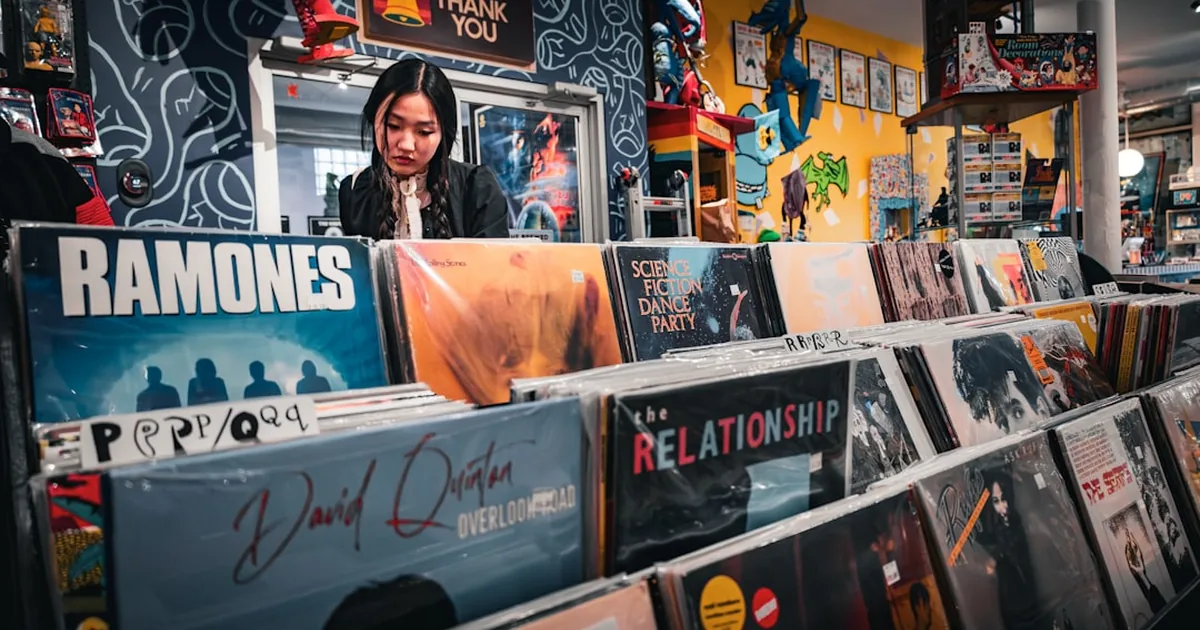
The needle-drop nobody cleared
The needle-drop gets approved in the edit long before anyone clears it. A scene locks around a song, the director stops hearing alternatives, and the track quietly becomes load-bearing. Then a festival deadline arrives and the rights are still open. We've watched this run often enough to treat it as the default condition of independent filmmaking, not the exception. The note below is how we think about sync licensing once the budget is small and the calendar is not on our side.
Two grants, not one
A song is not one permission. It is two. The composition — what the writer wrote — carries the publishing, or sync, side. The recording — the specific master a listener knows — carries the master side. Clearing one doesn't clear the other, and the two often sit with different parties who answer on different timelines. A filmmaker can have an enthusiastic yes from the band and still be stranded by a label, or the reverse.
For festival exhibition, the numbers are usually smaller than people fear. As IndieWire's guide to music licensing lays out, many songs clear at roughly $500 per side for festival rights, and the fees are negotiable — filmmakers who don't know the going rate tend to overpay, which is the practical argument for a music supervisor who does this for a living. We budget both sides from the first spotting session, because a track we can only half-clear is a track we cannot use.
The festival license is a door, not a house
The instrument that makes a tight budget work is the festival-only license with an option to extend. We clear the narrow thing we need now — the right to screen at festivals — and we negotiate, in the same conversation, the price of the broader grant we might need later. IndieWire notes these options commonly run up to two years past the festival window.
That shape matters because the film hasn't sold yet. Paying for worldwide, all-media, perpetual rights before there is a distributor is paying for coverage the film may never use. The option clause lets us defer that cost without losing the song: we lock the extension price today, while we still have leverage and the rights-holder is curious about the project, rather than renegotiating from zero after a sale, once the holder knows we're committed. The door is cheap. The house is expensive. We buy the door and keep the key to the house.
Carving the grant down
When a quote comes back too high, the move is rarely to walk away. It is to make the grant smaller. Rights-clearance veteran Deborah Mannis-Gardner described the method to Variety as carving rights down so the fees stay in check — narrowing the term (thirty days, or a year, rather than perpetuity), the territory (geo-blocking instead of worldwide), and the media (a festival plus a defined on-demand window rather than all-media everywhere).
Each axis is a dial, and every turn toward "narrower" turns the price down with it. It helps to know what the license really has to cover. A performing-rights-organization blanket can cover certain exhibition contexts, but it never covers the master, and on-demand viewing is a sync that has to be cleared directly. Mannis-Gardner's blunt line is one we keep close: some money is better than no money, but free is its own kind of debt. A favor today becomes an unclearable master the day the film is sold.
A short working note
The trap is treating the festival clearance as the finish line. It is the first gate. The moment distribution enters, the obligations change — and as Filmmaker Magazine's reading of distribution contracts points out, those deals can carry their own duties to pay licensors against the exploitation of the work. A film can clear every song for its premiere and still owe more the week it starts selling.
So we reconcile the music licenses against the distribution terms before either is signed, not after. Sound is not the last department to think about rights; on our films it sits near the front, because the song that makes a scene land is worth protecting all the way to delivery. For more of how we work across film, music, and sound, the rest of our journal is here.
Keep reading
More from the journal →