July 2, 2026 · 3 min read
The Hardest Part of a Music Video's Opening Shot Isn't the Shot
Storyboards and shot lists absorb most of the risk in a music video opening shot, but not all of it. The minute before the first take rolls -- the incomplete walk-through, the untested click track, the performance-versus-shot tradeoff -- is where a shoot day either finds its rhythm or spends the rest of the afternoon chasing it.
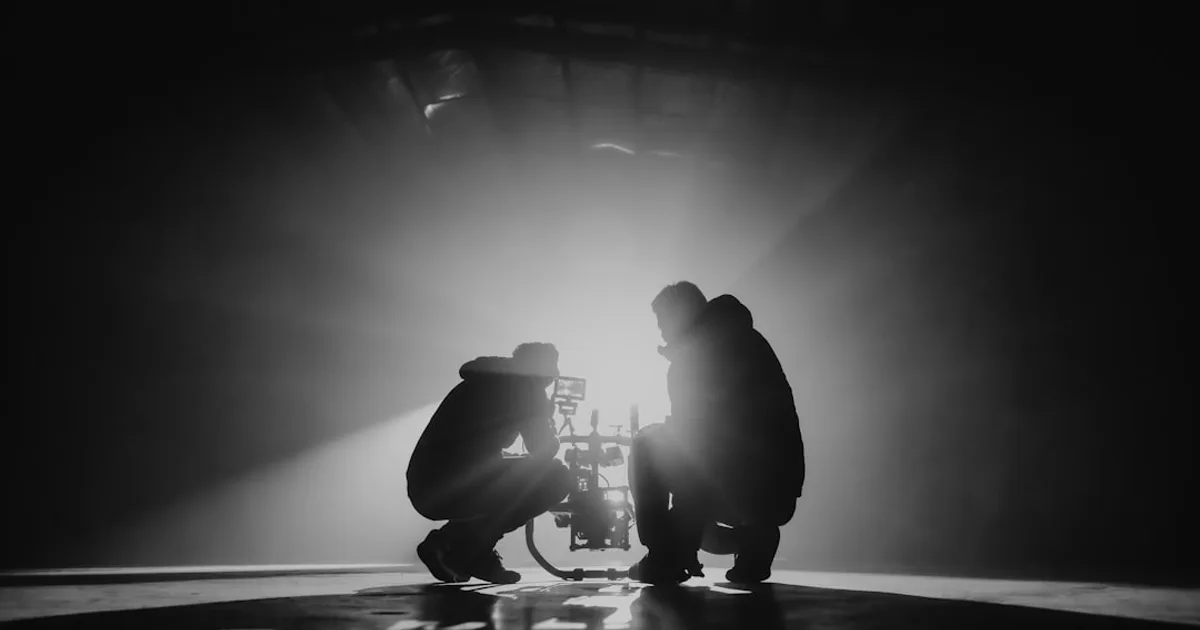
The hardest part of a music video opening shot isn't the shot. It's the run of minutes before anyone calls action — the walk-through that only half the band made it to, the click track nobody's checked against the room, the crew standing around a monitor that's about to show whether six weeks of pre-production actually holds up. Before that point, it's all planning. After it, it's footage. Whatever happens in between decides whether the rest of the day finds its rhythm or spends the afternoon chasing it.
We've shot enough performance and narrative-hybrid videos to know the pattern repeats regardless of budget: a three-camera setup for a live take, a single continuous shot blocked down to the frame, a scripted sequence cut to a verse-chorus structure. The opening shot carries more risk than every shot that follows it, because it's the only one nobody has rehearsed against the actual song at performance volume.
What We Noticed About the Opening Shot
Pre-production work — storyboards, equipment checks, a locked shot list — absorbs a lot of that risk before the shoot day even starts. But it doesn't absorb all of it. A storyboard tells a crew what the opening shot is supposed to look like; it doesn't tell them whether a performer's hand hits the right mark on beat four, or whether the dolly track still clears the amp rig once the room is full of people instead of empty like it was during scout.
That gap shows up hardest on single-take and live-location shoots, where the walk-through before rolling is almost never complete — not every performer is present, not every section has been run at tempo, and the first full pass often doubles as the first real rehearsal. The tradeoff that gets negotiated in that window is a specific one: a take where the performance lands and the shot doesn't, versus a take where the shot lands and the performance doesn't. Whoever's watching the monitor and whoever's listening to the room usually want to call cut for different reasons — and that call has to get made before anyone says action, not sorted out in the debrief after.
What We Changed — Or Kept
On our own sets, the fix wasn't more storyboarding. It was moving one piece of the rehearsal earlier: running the first thirty seconds of the track at performance volume, in the actual space, with every performer present, before a single light gets its final tweak. It sounds obvious. It rarely happens by default, because lighting and blocking eat the schedule first, and the walk-through gets compressed into whatever time is left over.
What we kept is the looseness of the storyboard itself. Over-planning the opening shot doesn't survive contact with a real location — a mic stand ends up three feet from where the sketch put it, or the light through a window at 4pm reads warmer than the scout suggested at noon. A plan should tell a crew what the shot needs to accomplish, not exactly how every frame gets there.
The same instinct shows up on the music side of the studio, in a different flavor of pre-work: how we run a spotting session with a director starts from the same premise. The work that happens before anyone presses record decides more than the session itself.
Keep reading
More from the journal →