April 22, 2025 · 2 min read
The score arrives early
Composers who used to come in at picture lock are now in the cutting room. Why the shift is producing better films — and how to budget for it.
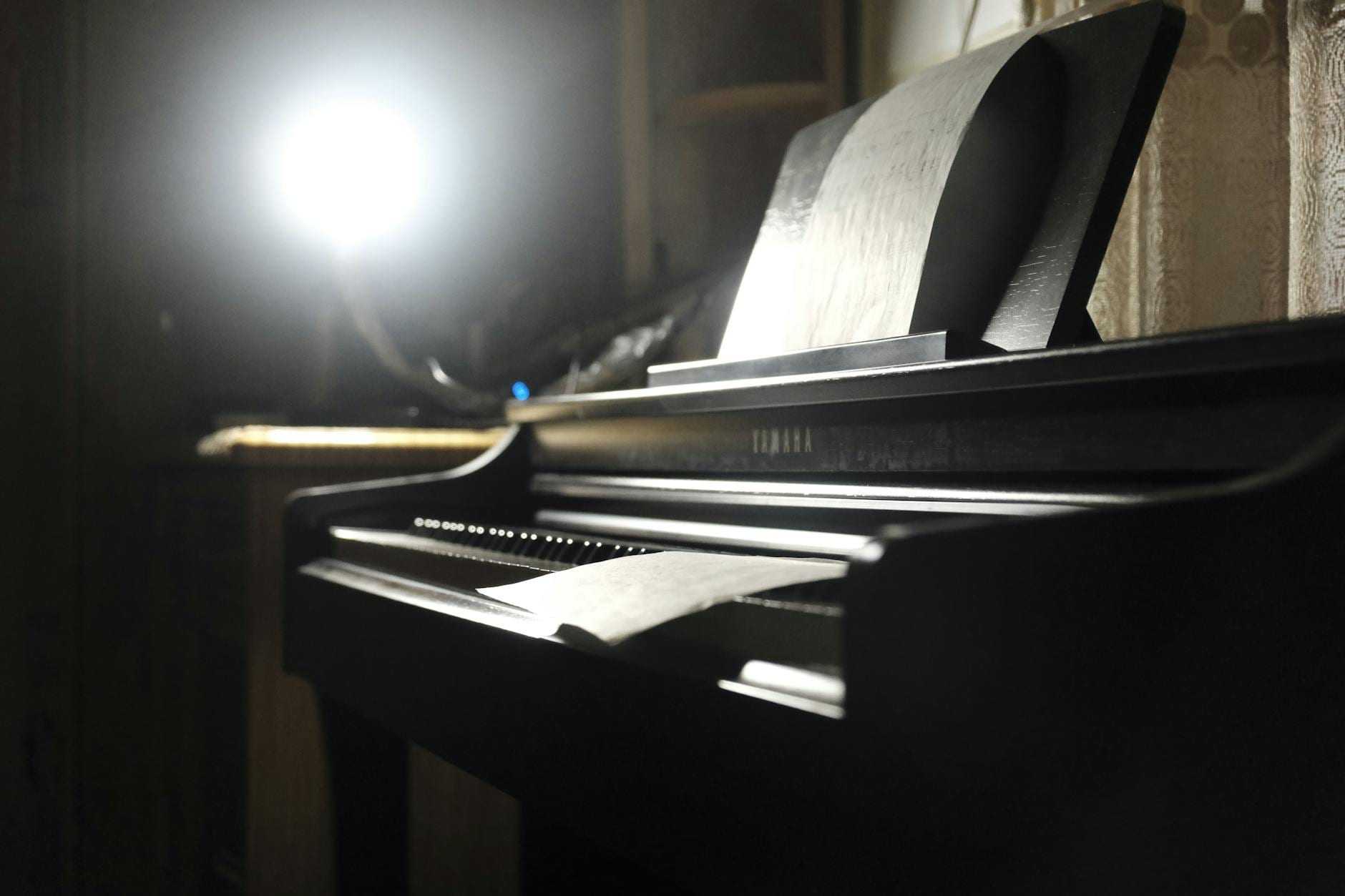
For most of documentary history, the score showed up at picture lock. The editor cut to a temp track. The composer watched picture lock, wrote to that cut, and the relationship was straightforward: composer = post-production hire.
That model has been quietly collapsing. In the last three years we've worked on five projects where the composer was in the room — sometimes literally, more often on a shared Logic session — months before picture lock. On two of them, the score was a substantial creative input on the cut itself. On one, the song the film opens with was a song the composer wrote before we'd shot anything, that became the spine of the entire film. The cut was edited to it.
Three reasons this is happening.
Music supervision changed
Streamers and festivals are increasingly cautious about licensing — both on budget and on rights — so original score is no longer a luxury, it's a default. Once you're commissioning original music anyway, there's no reason to wait until lock to bring the composer in. The economics that justified the pipeline have inverted.
The tools got good
Sharing rough cuts with a composer, getting stems back against a working timeline, sending revisions — what used to take a courier and a week now takes a Slack message. The friction that justified the lock-and-deliver model is gone. We've had composers contribute stems on the same day we sent them a cut.
Editors started cutting to original sketches
Once an editor has a 90-second piano sketch labeled "Marina's theme," they cut differently. They linger longer. They give the score room. They make decisions that lock in a particular emotional center, and those decisions are very hard to walk back. The earlier the composer arrives, the more those decisions are co-authored.
What this means practically
Budget the composer differently. A 12-week post-lock engagement is a different deal from a 6-month creative partnership. Day rates don't model this well. A flat fee with stem deliverables and a defined revision count is the structure that's working for us.
Sketch before you cut. We've started asking composers for a 5-track "atmosphere reel" before the editor opens a timeline. The reel doesn't appear in the film. It sets a rule for what the film sounds like.
Music supervision is part of writing now. The supervisor needs to be in the story meetings, not just the rights conversations. They know what's licensable, what's affordable, and what's becoming the obvious cliché.
We are not nostalgic for the temp-track era. The temp track was a coping mechanism for a workflow that didn't have to exist. The composer-as-co-author model is harder to schedule, harder to budget, and produces better films.
A practical question we keep getting from collaborators in 2025: how do you avoid the score doing the film's emotional work for it? The short answer is, you don't. You decide consciously which beats are score-led and which are silence-led, and you write the silence into the score brief. The best composer we know writes more rests than notes in early sketches.
Keep reading
More from the journal →