September 12, 2024 · 2 min read
What we mean when we say 'documentary' now
The word has stretched past the point of usefulness. Three working questions we ask before we'll use it in a project brief.
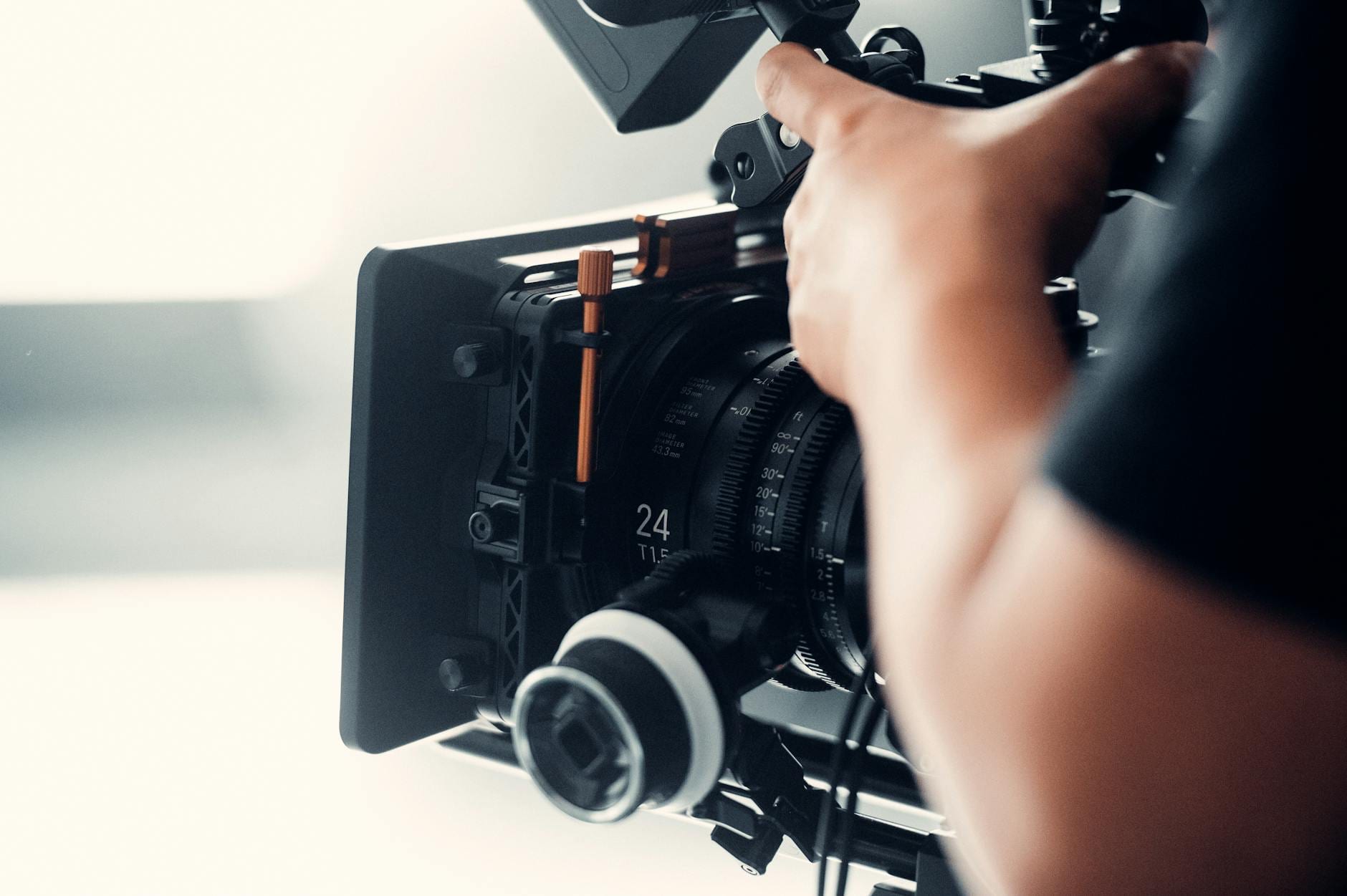
The word "documentary" used to do real work. It told you something about what you were going to watch — a degree of intent, a relationship to fact, a kind of camera. By 2024 it tells you almost nothing.
We've used it for streaming-platform brand portraits, eight-part true-crime series, single-take performance films, AI-assembled lookback reels, vertical-video Instagram explainers, and a six-hour cut of board-meeting footage labeled "verité." Every one of those is, by some definition, a documentary. None of them are doing the same job.
This isn't a complaint about the word. The word is fine. It's that when a client says "we want a documentary" in the first meeting, we no longer know what they want. And when an audience says "I love documentaries," we no longer know what they love.
So we've started asking a different question. Three of them, actually.
What's the relationship between what was filmed and what's on screen?
A verité observational film and a sit-down interview reel are both "documentary" by classification, but they're making fundamentally different deals with the viewer. The first one says: this is what happened, mostly in the order it happened, with as little staging as we could get away with. The second says: these are the people who were there, here is what they remember, edited for clarity. Both are honest. They're not the same product.
Who's the protagonist — and is anyone?
Streaming has flattened documentary toward the subject-led form: there's a person, the camera follows them, the film is about their journey. This works. It also leaves out the entire tradition of essay film, of institutional portraits, of the city symphony, of long-form journalism. When we say "documentary" we still mostly mean "biography." Worth knowing.
What does the film need to be true about?
A film about a band can be true about the songs and not about the band's romantic history. A film about a festival can be true about the experience of being there and not about the financial structure. Pretending otherwise — the totalizing instinct documentary inherited from broadcast journalism — has produced a lot of bad films in the last five years. Naming what the film is and isn't trying to verify, out loud, in the bid, is one of the most useful conversations we have with collaborators.
We are not trying to redefine the word. We are trying to use it less casually.
A small working note: when we describe our own films now, we use one of three labels. Observational (we were there, we tried not to interfere). Composed (we built the film around interviews, archive, and original score, in roughly that order of weight). Essay (someone is thinking out loud in voice-over, and the images serve the argument). Most films are a blend, but they have a center of gravity. Naming it early makes everything downstream — the cut, the score, the festival strategy — a different conversation.
Keep reading
More from the journal →