October 13, 2025 · 4 min read
What Independent Studios Get Wrong About Post Production Budgets
Indie post budgets rarely fail because they are too small. They fail in order of operations: money poured into the shoot, too little held for the finish.
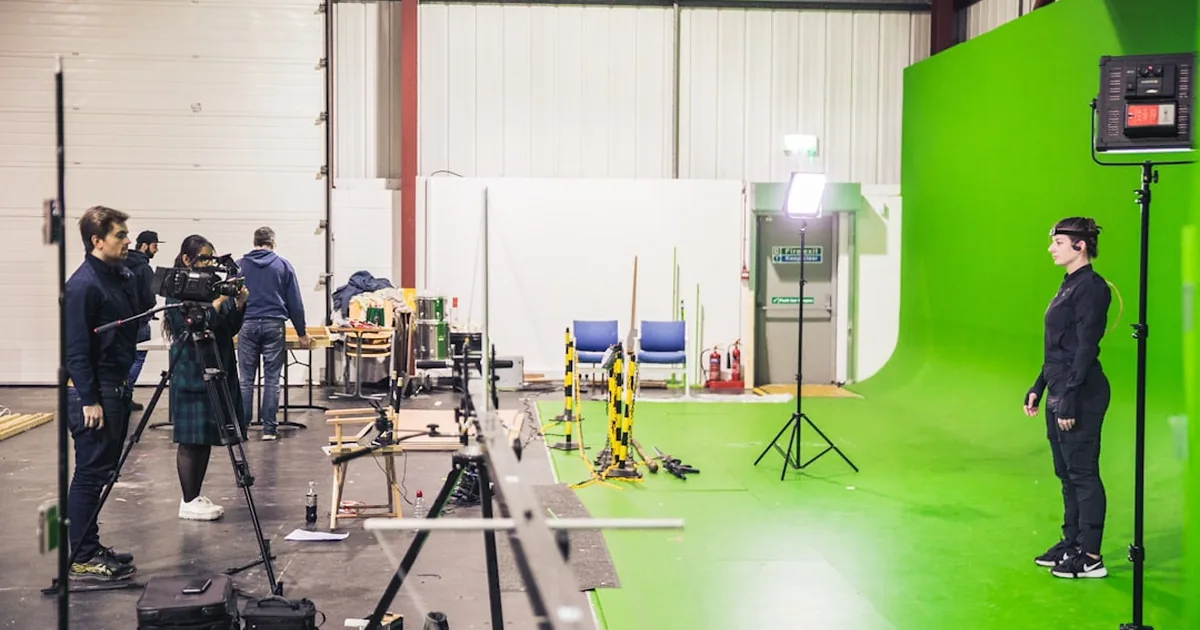
Most of the trouble we see in independent post isn't that the budget was too small. It's that the budget was shaped wrong. The money points at the shoot, and the finish is left to fend for itself.
A film arrives at our door "done." Picture is locked, the cut plays, everyone is proud of it. Then we ask about the mix, the grade, and the music — and the room goes quiet. Which means the film isn't done at all. It's a promising assembly with no plan, and no money, to carry it across the last and least glamorous stretch.
Three places we watch the math go wrong. All of them happen on paper, long before a film reaches picture lock.
The shoot is funded. The finish is not.
The most common error is the simplest to describe: raise enough to shoot, then plan to worry about the rest in the edit. IndieWire has made this point plainly — too many filmmakers fund the production and assume finishing money will appear once there's a cut to show. It rarely does. What's left is a film stuck in limbo: no final master, nothing to deliver to a festival or a buyer, and a director quietly fundraising again from a position of weakness.
We've come to treat a budget as a bet on the finish, not on the shoot. The shoot is the part everyone can picture, so it draws the attention and the line items. The finish stays abstract until you're inside it — which is exactly why it gets shortchanged.
The revenue side makes that mistake concrete. When Naomi McDougall Jones and Liz Manashil surveyed 104 independent films for Filmmaker, they found that of eighteen films released since 2018 with budgets between $200,000 and $900,000, exactly one broke even. They call it the budget "donut hole." A film in that range carries real finishing obligations and almost no path to recoup them. If you're going to spend in that zone, the finishing money has to be ringfenced first — before a single location is booked.
The cheapest line in the post budget is the one spent on set
Re-recording mixer Jon Vogl put the principle better than we can. In a conversation with Filmmaker, he suggested budgeting fifteen to twenty percent of a film for post, and then said the thing every producer should tape to the wall: get a reliable production sound team, because good location audio gets you ninety percent of the way to a finished soundtrack. Bad audio sends your post money to repair instead of craft.
That's the quiet arithmetic of post sound. A production sound mixer, a boom operator, and a utility person on set cost less than rebuilding a scene's dialogue in ADR later. Money spent capturing clean sync on the day is the highest-leverage spending in the whole post budget — and it lands on the production line, not the post line, which is part of why it gets cut first.
The same logic governs how we sequence the spend once we're in post. Dialogue comes first, because if you can't hear the scene there is no scene. Then hard effects, then backgrounds and ambiences, then foley, then design. Each layer is real labor — every footstep, every door, every room tone pass costs hours. Budget and schedule decide how deep that texture goes, which is why we argue for keeping sound in-house where we can protect those hours rather than buy them back under deadline.
Delivery is a number, not an afterthought
The third failure shows up at the very end, when someone finally wants the film. A master cut on a laptop is not a deliverable. Vogl is blunt about it: a do-it-yourself finish is fine for sharing online, or even submitting to a festival, but the moment a distributor wants to buy, there's a conversation about elements that meet their specifications — and most independent films don't have them.
Delivery is its own budget, and it stays invisible until it's urgent. A festival cut and a streaming or broadcast master are often two different grades, not one file used twice. Add the M&E stem a foreign sale will require, a DCP for theatrical screenings, captioned and described versions for platform delivery, and you have a list of line items that surface only when there's money on the table and no time to make them.
The fix isn't more money so much as more honesty at the budgeting stage. Name the delivery the film actually needs — the festivals you're aiming at, the sales you're hoping for — and price that, rather than pricing the cheapest route to a single screening and trusting the rest to sort itself out.
A closing note
The failure is rarely the size of the post budget. It's the order of operations: shoot first, finish later, deliver never. Reverse the priority and most of these problems dissolve before they start.
This is why we scout and protect the finish before we ever roll — and why, on our films, sound is budgeted from the first conversation rather than the last. A film is made or lost in the parts the budget tends to forget.
Keep reading
More from the journal →