October 21, 2026 · 3 min read
What We Ask a Lab Before a Film Scan
A scan quote is a list of decisions. Here are the questions we want answered in writing, from resolution and wet gate to delivered color and the return of the film.
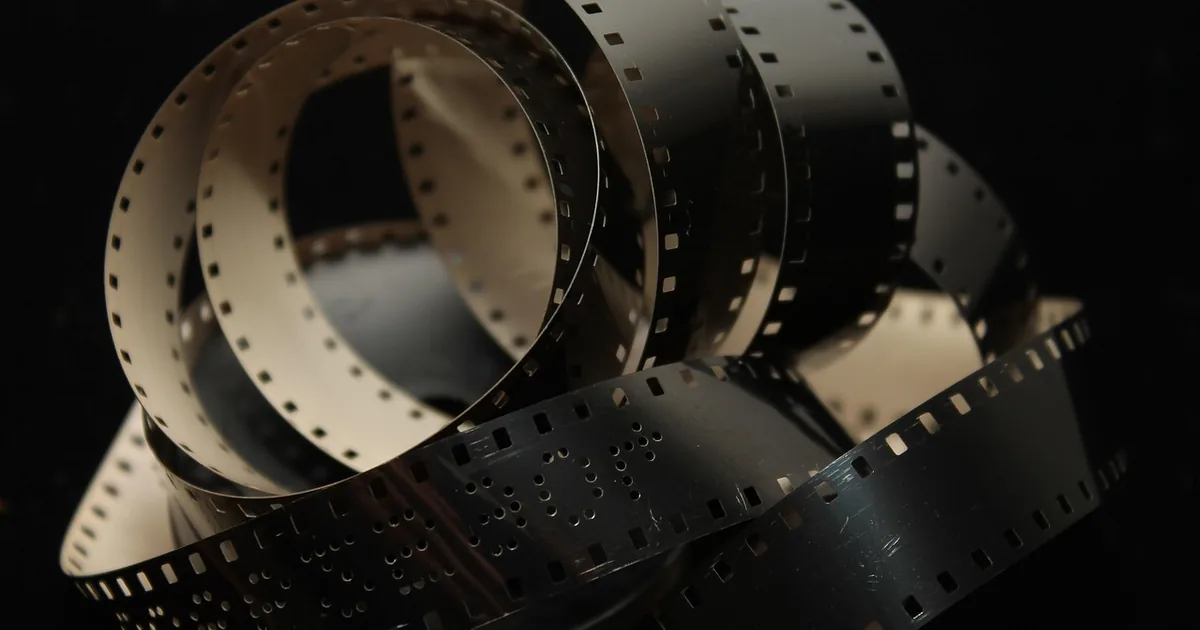
The questions come before the quote
A scan quote reads like a price list, but it is really a list of decisions someone has already made for you. Resolution, color, file format and what happens to the reels afterwards all have defaults, and the defaults belong to the lab. We would rather make those calls ourselves, so we send the questions first and ship the film second.
This is about 16mm for documentary and archive work. The specifics differ by lab and by tier, which is the point: the answers need to be in writing before anything leaves your hands.
Resolution, and what the frame actually is
Labs disagree on how much resolution a 16mm frame needs. One transfer-shop guide argues that 2K (2048 × 1556) captures the full resolving power of the film grain for most stocks, with 4K worth the cost mainly on fine-grain stocks such as Vision3 50D. Preservation tiers elsewhere start at 4K, with 4096 × 3112 for preservation and UHD or higher for archival.
So we ask three things. What does the sensor capture, and what do you deliver? Is the scan an overscan, so the frame edge and perforation area survive? One lab says a 2K overscan is actually 2.5K, and that matters when you plan a reframe. And is the frame kept whole, or cropped to a standard raster? Pixel dimensions on a sample file answer that faster than a sales page.
Wet gate: is it on the machine that runs your reels
Wet gate fills surface scratches with fluid so light passes through them rather than scattering. One lab says it can reduce the visibility of dirt and scratches, and in some cases eliminate it. Another describes a true wet-gate scanner that floods the film path with optical fluid and does not say which tiers include it.
That vagueness is the lesson, and some labs never mention wet gate at all. Ask whether it is available, whether it is in the price, and whether it is on the specific scanner your reels will run on. For a scratched print, it can decide how much cleanup remains for the edit.
What color the scan arrives in
Delivered color varies more than resolution does. One lab grades preservation scans Rec. 709, scene by scene and moves to a log, color-managed pipeline at its archival tier. Another offers flat, low-contrast scans where all color correction is done in post.
Neither is wrong. A graded scan is ready to cut. A flat scan keeps room for the grade. We ask for a neutral version alongside whatever is graded, and we ask what gamma and primaries the files are tagged with. If the film is going into a color-managed pipeline, that tag is the first thing the colorist will look for.
Files, and where they will live
The range runs from H.264 access copies to ProRes 422 HQ and 4444 masters to DPX or 16-bit TIFF sequences. We ask for a master and an access copy, and for audio as separate uncompressed files if the reels carry sound.
Then do the arithmetic. Frame sequences are large, and a documentary's worth of reels can fill a drive. Decide where the files will land before the lab starts, and see how we format delivery drives so the transfer doesn't fail on a file-size limit.
Before the reels leave your hands
Ask how the lab inspects film. The guide above checks every reel for splices, warping, shrinkage and vinegar syndrome, because damaged film can jam the transport and scratch the gate, and it recommends a test of 10 to 20 frames before the full reel. We ask for the same test on anything fragile.
Ask about intake rules and fees too. One lab wants 6 to 8 feet of leader on head and tail or may charge for cleaning. Another quotes damaged film after inspection, with a per-reel handling charge.
Last, ask who holds the film afterwards. One lab says plainly that its access tier sends the original film back on new reels, but its page is silent on the other tiers. Don't assume. If the answer isn't on the quote, get it in an email.
A working note
Once the answers come back, we keep them in the same folder as the footage, so the next person to open the scans knows what they are looking at. It's the cheapest piece of archive work we do, and the one that gets skipped most often.
Keep reading
More from the journal →