October 19, 2026 · 3 min read
When an LED Wall Is the Wrong Answer
A virtual production LED volume is now the reference image for in-camera work. For most independent features the honest answer is still no, and the reasons are practical.
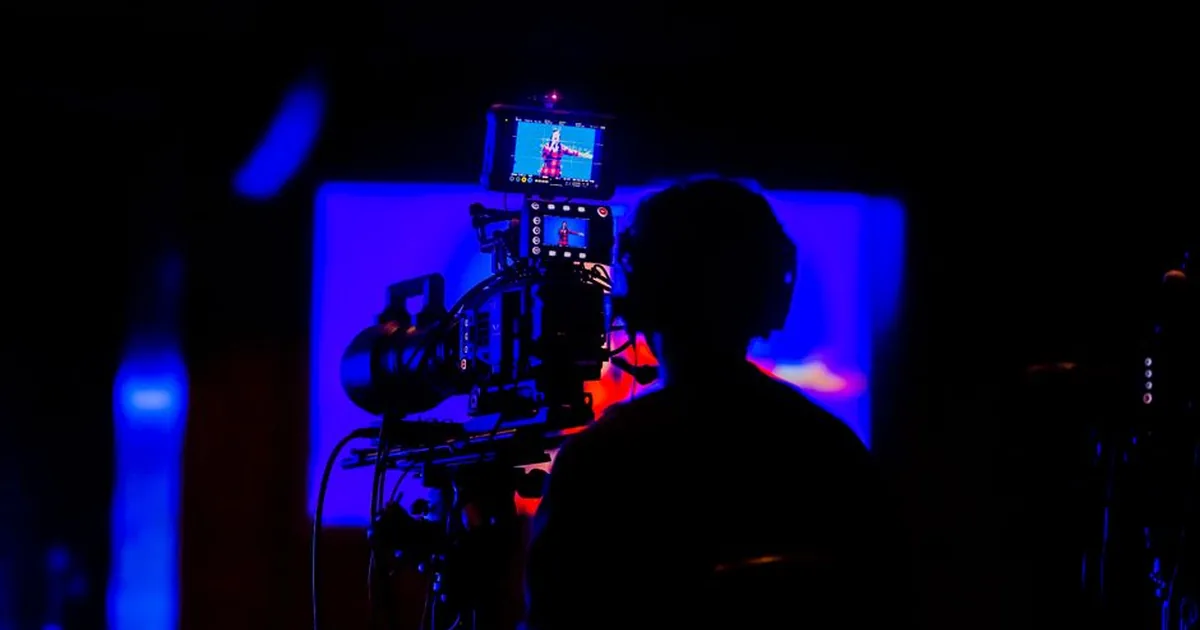
Since The Mandalorian and ILM's StageCraft, the LED volume has been the reference image for in-camera work, and a producer's first question in a pitch meeting is now whether a scene can go on a wall. For most independent features we think the answer is no. The reasons are mostly not technical. They are about schedule, budget and what the scene actually needs from its background.
What the wall asks of the schedule and the budget
The most useful indie case study we know of is a one-day campaign shoot for a hockey team at a Las Vegas stage, written up by its cinematographer. It ran 14 hours, and roughly three of them went to cameras, lighting, motion tracking and software sync before the first shot. About 50 setups were planned across five Unreal environments; around 25 were captured. The author's own advice is that a missing shot list is a path to failure. He did not publish a budget, but said the stage and the Unreal environments were the largest costs.
That is a volume working well, and it still depended on a rented stage, skilled environment artists and a technician on set. The screen is the smallest line in the order. ARwall, which sells in-camera products, lists high upfront cost, technical expertise and colour calibration among the limits of its own category.
Then there are the physical rules. Moiré comes from the sensor meeting the pixel grid, so the wall has to sit slightly out of focus. RedShark's rule of thumb: the minimum distance in metres should be at least the pixel pitch in millimetres, so a 2.3mm wall means everything stays 2.3m back. Real-time rendering adds lag, so fast camera moves and high frame rates are discouraged. The Mandalorian leaned on classical dolly and jib moves for that reason. If your coverage plan is handheld and close, you are fighting the stage from the first setup.
Weigh that against what the same money buys elsewhere. We have written about what a feature edit costs per minute and about a crew of three; a volume day competes with both for the same money.
Dialogue, floors and the shots a wall cannot give you
The Las Vegas shoot was effectively silent, and directing was done by shouting. That's fine for a campaign. It isn't fine for a scene built on dialogue, where we'd want clean production sound and no one calling to the actors between lines.
The floor is the other problem. Nothing was placed on the stage floor, so sand, snow and floor extensions went in during post, and the actors were framed at mid-knee to keep the ground out of shot. Rotoscoping and generative fill finished the locked-off wides. A scene that needs ground contact, a wide that shows feet, or coverage that wanders is exactly where the wall gives out and the post bill comes back.
When green screen is the honest answer
The ARwall piece is a vendor's, and it still concedes the point: green screen is the better fit for low budgets, heavy-VFX work, full CG environments, shoots that need unlimited environment changes in post, and rigs that have to work in any location. Its claims for the other side, such as LED panel lifespan and payback within a year, are self-reported, and we would not plan around them.
Green screen doesn't remove the cost. It moves it to post, into keying, roto and spill removal, and it makes performers imagine the room. But for a small production with a defined VFX budget, a known cost in post is easier to carry than a volume's fixed cost on set. Hybrids exist, with a wall for light and reflections and green sections for extensions, but they are a larger-budget answer, not a cheaper one.
A working note
Before booking anything, we ask what the scene needs from its background. If it needs parallax and interactive light on the actors, a volume is a serious option. If it only needs to be somewhere, a location, a built corner of a room or a simple backdrop is a decision and not a defeat. Choosing the plainer tool is usually the more film-minded call, and it leaves money for the things the audience actually sees and hears.
Keep reading
More from the journal →