August 15, 2026 · 3 min read
Why We Book a Theater QC Before a Festival Cut Ships
A DCP can pass every file-level check and still play wrong in a real room. We book a theater QC before a festival cut ships to catch what a monitor can't — and to fix it on our own schedule, not the festival's.
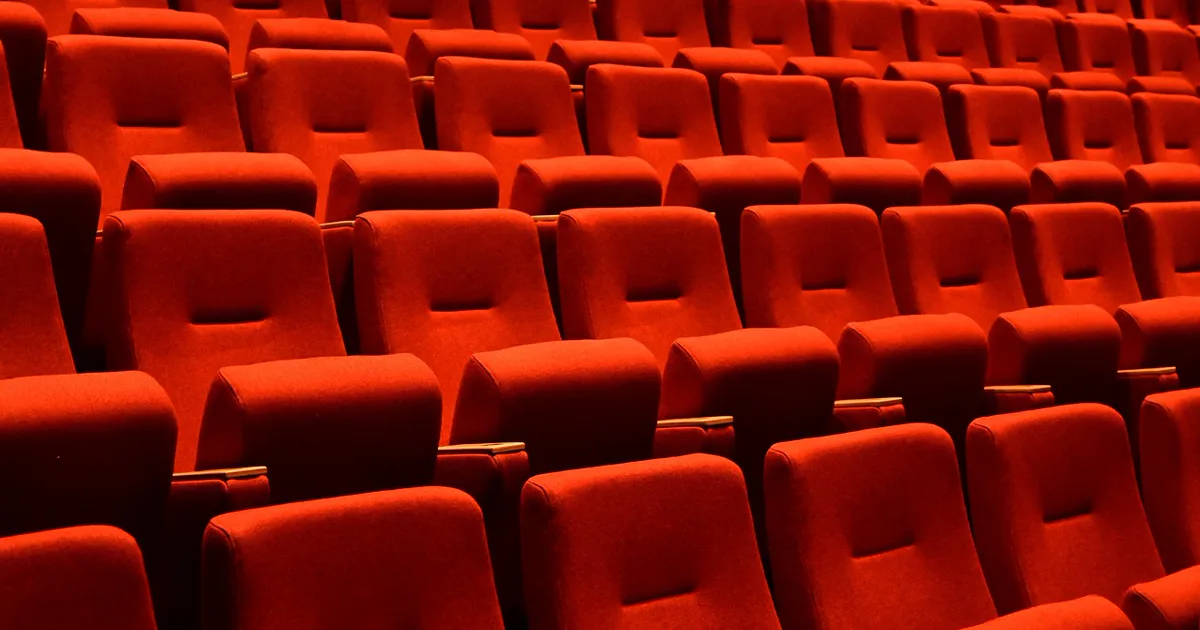
Before a festival cut leaves the building, we book an hour in a real theater and watch it projected start to finish. Not a monitor pass, not a laptop check in the edit bay. A room, a screen, a calibrated sound system. It costs an afternoon and a rental fee. The alternative is finding out something's wrong in front of the one audience that gets to see the film for the first time — and there's no second cut of a premiere.
What a File-Clean DCP Still Doesn't Tell Us
A DCP can be fully DCI/ISDCF-compliant, hash-verified, and KDM-locked to the right playback window. None of that confirms it looks or sounds right on a screen. The packing list confirms the files arrived intact; the KDM confirms playback is permitted in a given window. Neither is a quality check. They're custody checks, and they say nothing about whether the picture and sound reproduction is correct.
That gap is exactly why we still run a calibrated-monitor QC pass earlier in the process — but a monitor, however well calibrated, isn't a 30-foot screen. It isn't a house sound system tuned to a specific room. Sundance's own technical specifications point past the compliance checklist for this reason: filmmakers are told to test for compatibility with actual projection systems before submission, because a DCP that's DCI-compliant on paper can still fail a theatrical audience's expectations. Festivals run their own inspection before clearing a film for a venue, and they'll flag it fast if something's off. But by then we're up against their print-traffic deadline, not ours. A theater QC we book ourselves is a rehearsal for that inspection, done on our schedule.
What We Noticed in the Room
The failures that show up in a theater don't live in the file. They live in the room, and they're often smaller than you'd expect. Brightness off by a small margin is enough to lose detail in a dark, deliberately moody grade. A dirty projection window cuts real light output. Leaving 3D optics in the path for what should be a standard 2D screening produces an image that's dim and slightly soft in a way a projectionist might not catch. Sound has its own version: a level drop past a certain threshold reads as a problem, not a stylistic choice. None of it is a flaw in the underlying file — it's the theatrical chain around it. It's the same reason we keep our own DCP packaging simple — we deliver festival DCPs without encryption — so when something does look off in the room, there's one less variable standing between us and the fix.
We don't send a technician alone. The colorist, the mixer, and often the director sit in on the theater QC together, because this is a craft check as much as a technical one — the kind of judgment call that needs eyes and ears that know the intended look, not just a scope reading.
What We Changed
We book the theater QC early enough in the schedule that a fix is still a fix — a re-encode, a level adjustment, a re-export — and not a scramble two days before a premiere slot. That habit came from a submission that went out once without this step. It's not one we're repeating.
A Working Note
An afternoon in a rented room costs far less than a bad first impression at a festival's one screening of the film. It's the same instinct that runs through everything we do on the film side of the studio: the work isn't finished when the file is correct. It's finished when the room agrees.
Keep reading
More from the journal →