November 5, 2025 · 4 min read
Why We Lock Picture Before Scoring
We lock picture before scoring because a film score is timed to the frame. When the cut keeps moving, the music ends up chasing a target it cannot catch.
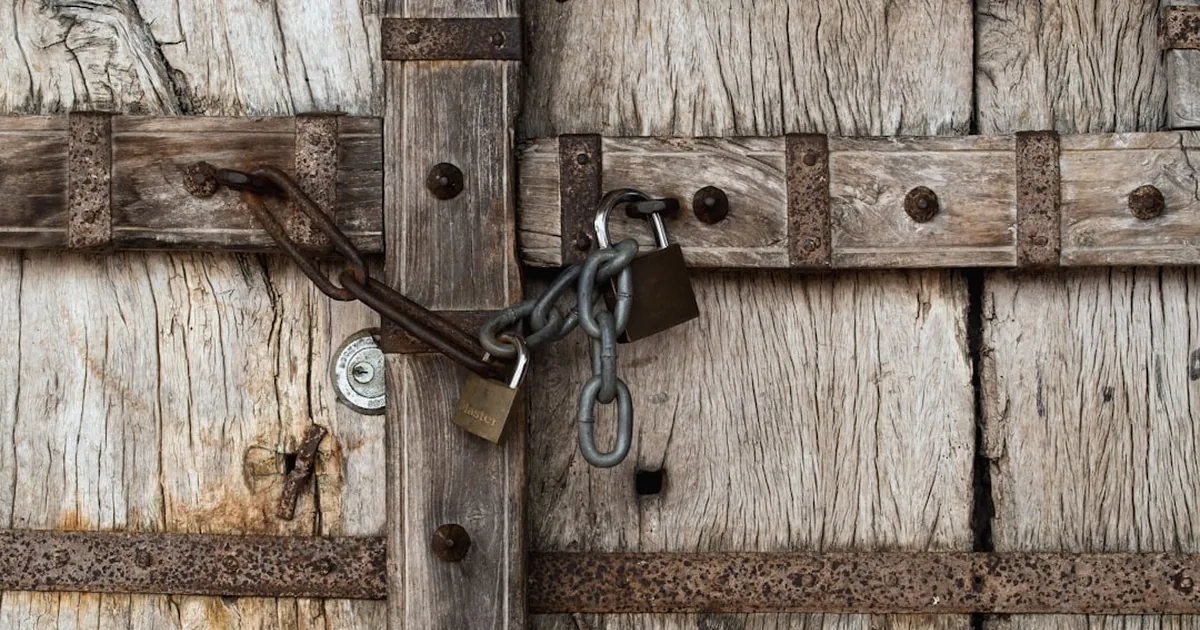
We don't hand a composer a cut that can still move. The picture locks first — every change to the edit made and approved, the timeline frozen, picture lock treated as a real event rather than a polite suggestion. Only then does scoring begin in earnest.
To some this looks like procedure for its own sake. It isn't. Of all the crafts that gather downstream of the edit, music is the one that most punishes a moving timeline. A scene can lose three frames and the dialogue still plays; the same three frames can put a cue's downbeat in the wrong place. Lock isn't bureaucracy. It's the precondition that lets the score be written at all.
A score is written against a fixed timeline
Music for picture is timed to the frame. Each cue has an in-point, an out-point, and a handful of moments inside it where the music is meant to land with something on screen — a look, a door, a cut to black. Those timings aren't approximate. They're measured — and measured against one specific version of the edit.
Change that version and the measurements stop describing anything. Trim a shot and the cue resolves into a scene that no longer exists. Reorder two beats and the build arrives after the moment it was built for. The composer is then left reconforming finished work — not improving it, just dragging it back into sync.
This problem is not new, but it has grown. As composer Mason Daring put it in Filmmaker Magazine, non-destructive editing has made recutting feel free: "Editing has become a video game, and it's so much fun, people can't stop." The result, he said, is that composers spend their days chasing a moving target — scoring a scene, sending it in, and hearing that the scene changed overnight. We would rather not work that way, and we don't ask composers to.
None of this rules out sketching before lock. Temp music, mood passes, a rough theme to test against an assembly — those are useful, and they cost little when the edit shifts. What we hold back is committed scoring: the orchestrated, performed, mixed cue that assumes the picture underneath it will hold.
What lock actually buys the composer
After lock comes spotting — the session where we sit with the film and decide where music belongs, where it stays silent, and where a cue starts and stops. Spotting produces spotting sheets: time-coded notes organized by scene, shot, and timecode that the whole music process then runs on. That document only means something if the timecodes it points to are stable.
Lock also gives the composer a vantage no one else on the project still has. By the time a film is cut, the director and editor have seen every frame hundreds of times; they can no longer watch it cold. The composer can. They get to meet the film roughly the way an audience will — once, whole, in order — and that first read is part of what they bring. A picture that keeps changing spends that vantage on housekeeping.
There's a quieter cost to scoring an unlocked cut, too: the music gets worse. When a composer knows a scene is likely to change, there is a natural limit to how hard they push on it. Stability is what lets someone commit fully to a cue instead of hedging against the next revision.
When the urge to keep cutting is an unfinished story
Sometimes the picture won't lock because it shouldn't yet. There is a point Daring names precisely — a cut that is "getting different but not getting better." Past it, changes stop improving the film and simply move it around, often until it starts to get worse and the team retreats to an earlier version.
This is most acute in documentary, where the edit is frequently where the story is found rather than merely assembled. If a cut genuinely cannot be locked, that is information. It usually means a structural question is still open, and no amount of music will close it. Our rule in those rooms is to name the structural problem out loud rather than paper over it with a score that the next recut will invalidate.
A working note
Lock is a gift to everyone downstream — the sound editors, the mix, and most of all the composer, who can only do their best work against a picture that holds still. The original music we make lives or dies on that stillness; a stable timeline is what turns a cue from a placeholder into part of the film. When a project resists locking, we treat it as a question about the edit, not a problem to be scored around. There are other working notes from the studio in the same spirit.
Keep reading
More from the journal →