November 11, 2025 · 2 min read
Why we always print one frame on paper
A working note on why we still print one frame on paper during every edit, and what a single static film still quietly reveals that motion keeps hidden.
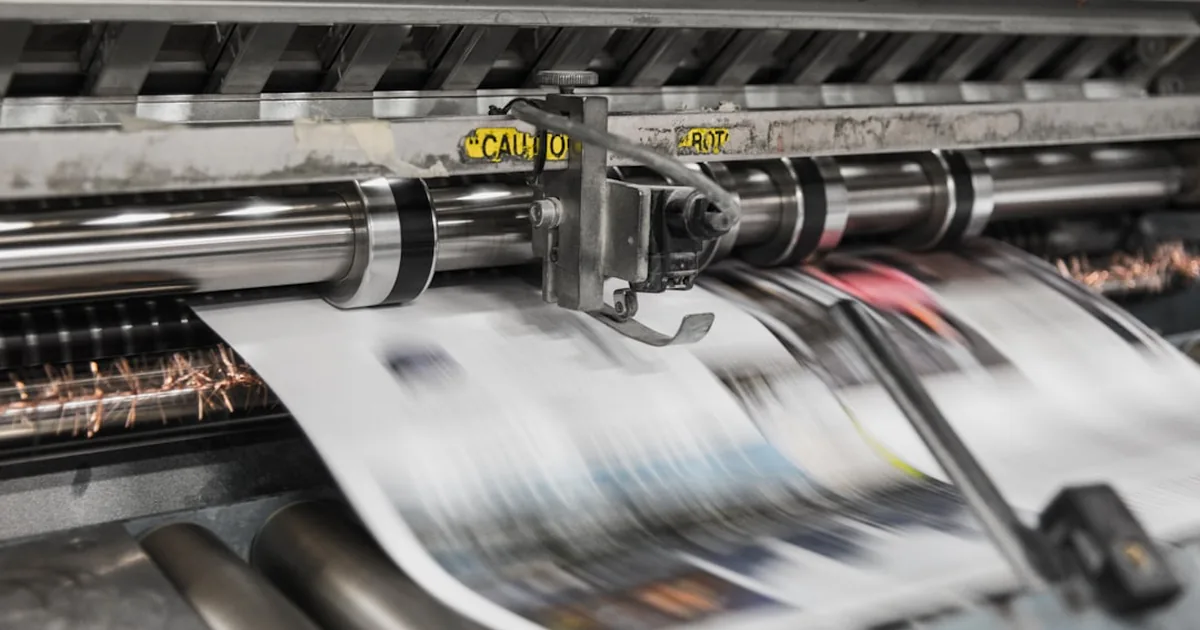
Somewhere in the middle of every edit, we stop the playhead, pull a single frame, and walk it to the office printer. Not a calibrated proof. Not a glossy still — one frame on plain paper, in whatever color the toner feels like giving us that day. It goes up on the wall beside the bay and stays there until the scene is locked. The habit has outlived every change to our workflow, and we've stopped trying to talk ourselves out of it.
What we noticed
Pulling a frame has never been easier. With anything shot at 2K or above, a usable still already lives inside the take — you can lift it inside the edit system in seconds, nudge it in Photoshop, and move on. That ease is the problem. A frame that costs nothing tends to be treated as if it were worth nothing: glanced at on a monitor, scrolled past, gone.
Choosing one frame is not an export. It's an edit. Unit still photographer David Lee puts it plainly — "a lot of photography has to do with being a good editor"; out of ten near-identical moments, you commit to the one that tells the story best. Motion forgives a great deal. A still does not. Held in place, a frame exposes the gaze, the dead space, the line of an arm that wasn't doing what we assumed it was doing on the move.
What we changed, and what we kept
What changed is the surface. On a screen, the frame is a file among files. Tacked to the wall, it becomes an object we pass forty times a day, and the eye keeps returning to it whether we ask it to or not. The flaws surface on their own schedule, usually around the third or fourth walk-by. One image alone on a page carries a directness that a grid of thumbnails never manages — designers who build film lookbooks note that a single image per page does emotional work the screen cannot.
What we kept is the cheapness. Plain paper, office toner, deliberately not precious. The print is a working reference for blocking, for a composition argument, for the first real conversation about the color grade — never a deliverable, never something anyone signs off on. Because it's disposable, no one is afraid to draw on it, cross it out, or pull it down and print a better one the next morning.
There's a quieter reason, too. A frame on the wall slows us down. The timeline always wants to keep moving; a sheet of paper just sits there and waits. It lets us look at the picture the way an audience eventually will — one held image at a time, with nowhere to scroll.
A note before picture lock
The printed frame is the smallest and cheapest tool in the building, and it still earns its place on the wall. Before we call picture lock, the frame goes up — because a film is, in the end, a sequence of single frames, and it helps to stand in front of one of them and be sure of it. There are other notes from the cutting room where habits like this one tend to collect.
Keep reading
More from the journal →