July 11, 2026 · 2 min read
A Small Note on Shooting in the Rain
Rain reads as a look, not a weather condition — most of what goes wrong on a wet day is equipment and timing, not the shot itself. A short note on what we noticed and what we changed.
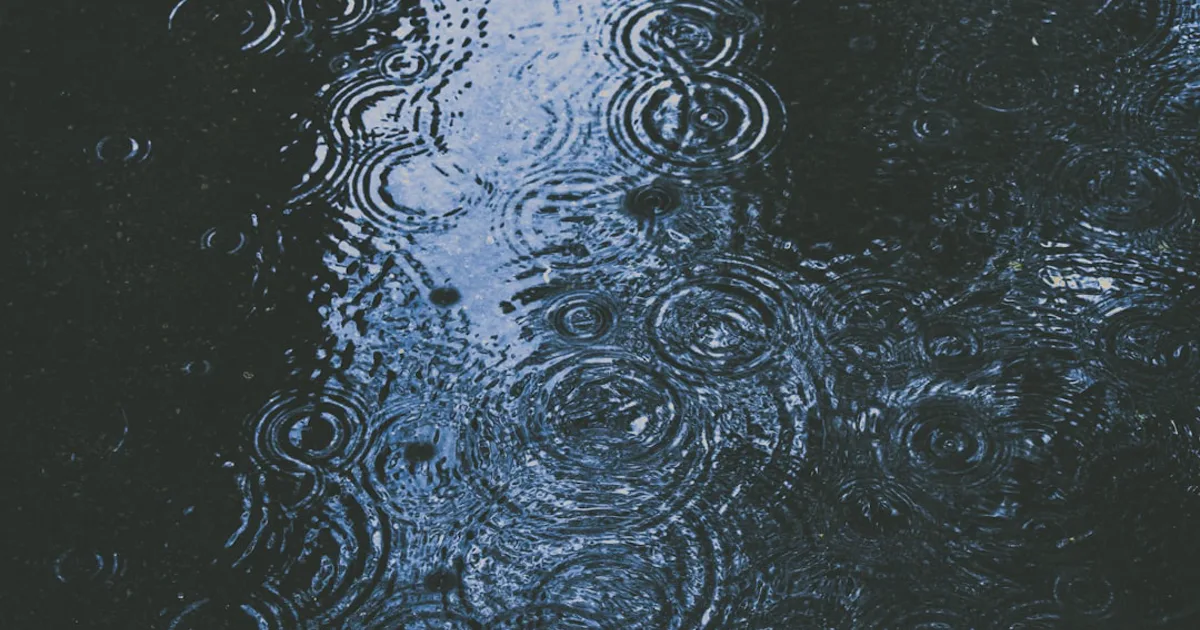
Rain days get planned for the wrong risk. Crews brief for slippery cable runs and wet call sheets. Then the thing that actually costs the day is a fogged EVF, or a lens nobody wants to touch for twenty minutes because it's still beading water. Sundance's own coverage of rain in festival narratives treats it as a cleansing or amplifying device — true on the page, but on the day it's a maintenance problem before it's a mood. We've started treating the fragile part of a rain day the way we treat hand-delivering a final master: as the one step that gets a person assigned to it, not a checklist item.
What We Noticed
The gap between weather-sealed and protected
"Weather-sealed" on a spec sheet describes a rubber gasket at the ports, joints, and buttons — not a promise. Sealing reduces moisture and dust ingress; it doesn't make a body waterproof, and the parts that fail first aren't the ones the seal covers. Touchscreens misread. EVF sensors get confused by beading water on the eyecup. The fix we keep coming back to is cheap, almost embarrassingly so — a rain sleeve, or a taped cover, on a body the manufacturer already calls weather-sealed. Sealed is a spec. Protected is a habit.
Rain doesn't read itself
Natural rain falls too fast for the frame rate to register as anything but haze, which is the real reason rigged rain exists: controlled droplet size, controlled speed, a look built on purpose instead of caught by accident. There are two ways it reads on camera — backlight it at night so it becomes visible against the dark, or shoot its impact on a surface in daylight, since sound alone doesn't sell the weather. It's the same problem as the opening shot of a music video: the audience needs one clear, legible cue, not atmosphere stacked on atmosphere.
What We Changed or Kept
The lens is the actual risk, not the body
On The Batman's torrential rain car chase, the crew didn't try to eliminate water on the lens. They went from a rain deflector to optical flats with controlled droplets, managing what stayed instead of fighting to keep the glass perfectly dry. That's the mindset we borrowed — decide what water you're willing to live with before the day starts, not mid-take. Real rain rarely survives a full sequence anyway: it thins out, moves on, or stops outright, so even a genuinely wet day gets a standby plan. Same discipline we'd use with a writer-director who can't watch their own footage — plan for the failure mode you can already predict, not the version of the day where everything cooperates.
The budget-first instinct stayed: a sleeve or a taped cover over a rented rig, for anything under a certain shot count. What's new is dry-down time between setups, built in as a line item instead of an afterthought. None of this is about better gear. It's a small note, and it belongs with the rest of what we carry into a location day — sound, picture, and now, water.
Keep reading
More from the journal →