August 4, 2026 · 4 min read
AI-Generated Music and the Working Film Composer's Job
Generative tools are reaching the temp-and-library tier composers depend on for early cues and placeholder beds. What's actually changing in the working composer's job, and what isn't.
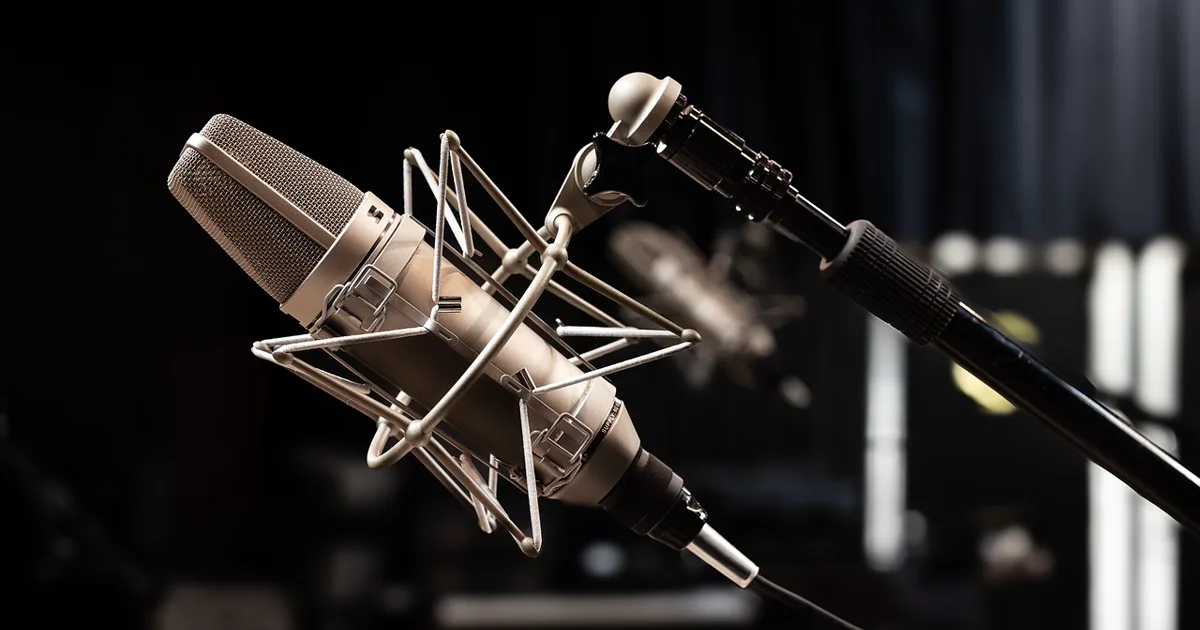
Generative music tools have reached the tier of the job a working composer depends on for early cues and placeholder beds — not the finished feature score, but the layer directly underneath it. Most coverage skips that distinction. It asks one blunt question: will AI replace composers. Wrong question. The useful one is narrower — which specific part of the job is now done by a prompt, and which part still isn't.
What AI Is Actually Good At Replacing
Where generative music has landed, commercially, is the stock and production-library segment: mood-tagged, functional, short-form cues built to sit under a scene without asking for attention. Artlist's AI stock music library is a working example — licensed stock music and sound, with an AI layer generating variations at a volume no library composer could match by hand. AIVA's commercial product, Music Engine, does the same job: compositions capped around three minutes, in styles the product literally labels "20th century cinematic" and "modern cinematic." Not a score. Just the length and function of a temp cue or a library placeholder — marketed as exactly that.
The genre-vulnerability data backs this up. Industry surveys put pop, EDM, and ambient/functional music at high risk of AI displacement, while bespoke film and game scores are rated far more resistant — the reasoning given is that a feature score is long-form and has to carry a clearly identifiable compositional voice across an entire film, not just fill four bars under a montage. It's the same distinction we've made on the editing side of the studio, in where we've drawn that line before, in the edit bay — the repeatable, functional layer of a craft moves to a tool well before the collaborative, judgment-heavy layer does.
What a Score Still Needs That a Prompt Doesn't
The temp track problem predates any of this. Directors have always leaned on placeholder music to communicate tempo and mood before a score exists, and they've always run the risk of falling in love with the placeholder — a documented tension in the composer-director relationship that constrains what the eventual score is allowed to become. Generative tools don't solve that problem. They make it worse in one specific way: a director can now produce an unlimited supply of plausible-sounding temp options in an afternoon, each one a little more persuasive than a licensed track pulled from a library, and each one still not the film's actual score.
What a prompt can't do is what happens in a spotting session, where a director works scene by scene through a cut, naming what a cue needs to do emotionally in language that's often more feeling than technical spec, and a composer has to translate that into something that holds across ninety minutes of picture and survives three more rounds of notes after the director changes their mind about the ending. That's revision under specific constraint, not generation from a prompt. It's also consistent with what the labor data shows: survey respondents report AI displacing specific tasks inside productions — a rough cue, a placeholder bed — not entire composer or editor roles. Nobody surveyed described a full role being replaced outright.
The Licensing Question Nobody's Answered Yet
There's a second layer to this that has nothing to do with whether AI music sounds good enough, and everything to do with whether it can move through the pipeline a film needs. In 2026, a coalition including the RIAA, the Recording Academy, and SAG-AFTRA launched a labeling standard splitting "AI-Generated" from "AI-Assisted" music — the second category meaning a human wrote the underlying composition and AI touched some of the expressive detail. That distinction isn't cosmetic. A film's sync-licensing chain assumes a credited, signable human rights-holder at the other end, someone a publisher can represent and a PRO can register. A cue with no clear human author can sound perfect in the cut and still be unusable once a music supervisor tries to clear it for a festival delivery or a foreign sale — the tool got faster before the rights infrastructure caught up.
A working note
The shape of the change, as far as we can tell from where we sit, is this: the floor of the job — temp cues, library beds, functional filler — is getting automated, and the ceiling — a scored, director-collaborative, feature-length musical argument — isn't, not yet, and the licensing chain underneath both hasn't caught up to either. Not a comforting story. Not an alarming one either. Mostly a note about what we now listen for differently in a spotting session: not just whether a cue works, but whether whoever made it can sign for it.
Keep reading
More from the journal →