August 23, 2026 · 2 min read
Building a Location Sound Library That Outlives a Film
The clips we still reach for years later were never recorded as scene-specific coverage. A field note on what makes a location recording outlast the film it was made for.
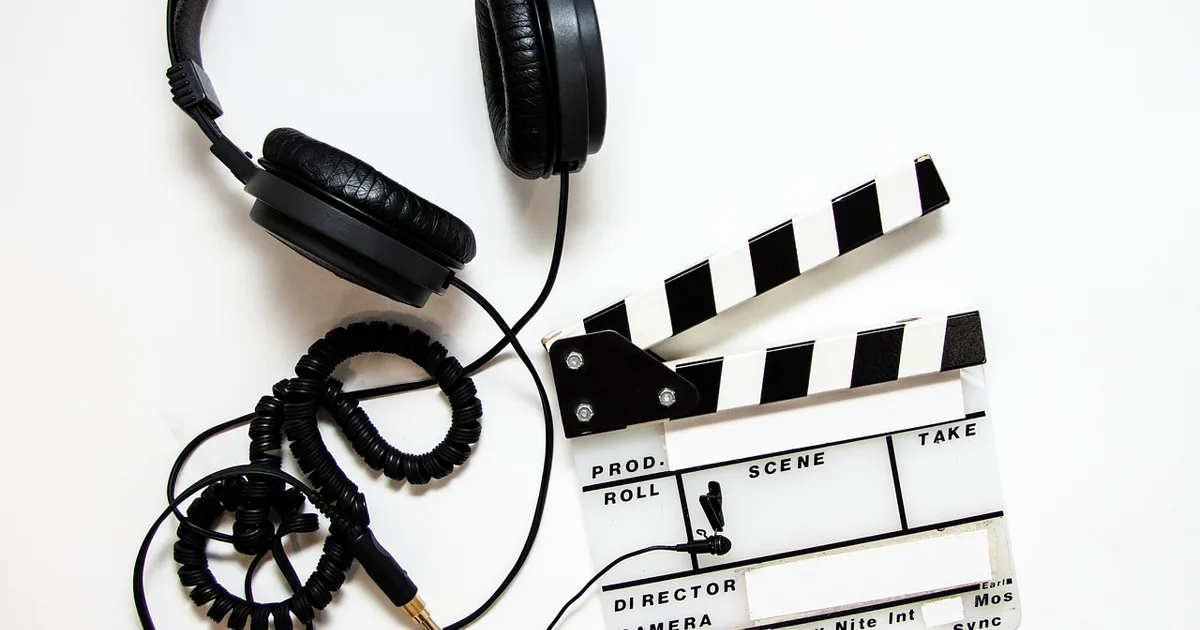
We pulled up a wild-sound take last month — recorded on a wrap day, backyard, no dialogue in it, no picture attached anymore — and dropped it straight into the sound design of a different film entirely. Nobody on that second project knew where it came from. That's the point. Most location audio gets recorded, used once for the scene it was shot for, then sits on a drive until someone deletes the whole folder to make room. The recordings we keep going back to were never the ones flagged "for this scene only." They were treated as a library from the moment the recorder went on, not filed away as leftovers after the fact.
What We Noticed
The clips that get reused later are almost never the character takes, the ones a mixer would call interesting on first listen. They're the broad, unglamorous coverage: room tone held a beat too long, a hallway with nobody talking in it, wild sound the crew thinks we don't need. That material is what turns up again on a project that has nothing to do with the one it was recorded for.
Location character matters more in hindsight than it does at capture. An apartment's room tone, recorded as dialogue backup during a scheduled shoot, becomes its own asset once you've logged enough of them to notice how different one apartment sounds from another — a point we've made separately when it comes to room tone in modern apartments. Chris Watson has said something similar about revisiting his own archive: within a few seconds of hearing an old recording, "you can remember the first time you heard it, the place where you made those recordings, what it was like and how you felt" — which only works if you wrote down where and when in the first place. A take without a note attached gets skipped later. Doesn't matter how clean it sounds.
What We Changed or Kept
What we kept: consistent file naming and location metadata at the point of capture. Cataloguing after the fact never happens — nobody goes back through a drive of unlabeled WAVs on a slow week.
What we changed: we stopped treating ambience and wild sound as a byproduct of setting up for dialogue and started recording it as its own pass, on its own schedule, every time we're on location. Part of that shift came from moving to 32-bit float recording, which took level management off the table — we roll and worry about it later instead of riding gain in the moment. The other part is smaller, and easier to miss: mic technique decided at the time of capture, particularly M/S recording, which lets us widen or narrow the ambience in the mix long after the session instead of being locked into whatever stereo image we happened to print.
None of this is about the recording, not really. It's about whether the sound work from one job is still useful on the next one — the same discipline that runs through everything we do on the sound side of the studio.
Keep reading
More from the journal →