July 14, 2026 · 2 min read
The Room Tone Problem in Modern Apartments
Wooden floors, HVAC cycles, and thin partitions turn a routine room-tone pass into a scheduling problem. Here's what changed in how we record it.
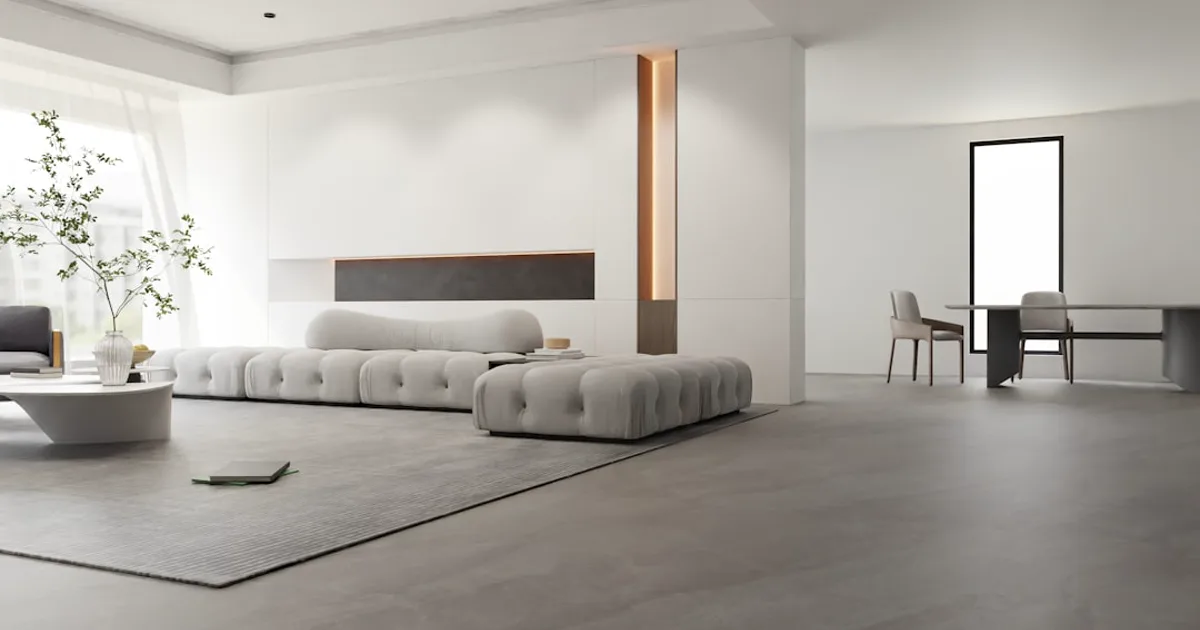
Room tone used to be a formality — thirty seconds of quiet at the end of a setup, filed away and forgotten. In a modern apartment, it's a negotiation. The [silence recorded at a location when no dialogue is spoken](https://en.wikipedia.org/wiki/Presence_(sound_recording\)) has to be captured at the exact mic position used for dialogue, because a location's acoustic signature — walls, ceiling, floor — shifts the moment the mic moves. That consistency is what lets an editor fill the gaps between lines without the audience hearing a hole in the track. It only works if the room holds still long enough to record it.
What We Noticed
Apartments built in the last two decades are rarely built to hold still. Wooden floors, drywall partitions, and light interior walls leak far more sound than the solid, mass-loaded construction they replaced — even floated floor systems leak worse than a single brick wall. The physics is blunt: double a wall's mass and you roughly halve what it transmits, and modern partitions were never built with that mass in mind. Low frequencies suffer most. That's exactly the register HVAC compressors and street traffic live in.
The result on a shoot day is a room that sounds quiet to the ear and isn't quiet at all on the meter. A refrigerator cycling on, an HVAC handoff between units, an elevator two floors down, single-pane glass doing nothing against the street — none of it registers as a problem until you isolate thirty seconds of presumed silence and hear it all stacked together. It's part of why we keep a separate dialogue session at the mix: room tone that shifts mid-scene needs somewhere to be reconciled that isn't the edit.
What We Changed or Kept
We kept the non-negotiable part. Presence gets recorded in the same mic position as the dialogue it will sit under, every time — even when the schedule is tight and it would be faster to grab a generic room tone from wherever the boom happens to be parked.
What changed is when we grab it. Room tone now gets scheduled for the quiet window between HVAC cycles or appliance cycles, not tacked on at wrap when everyone's already breaking down gear and the building's noise floor has crept back up. On the mic side, the boundary and corner-placement instincts studio engineers use to manage a small, unflattering room carry over directly to location work — where bass builds up in a room tells you where not to put the mic. It's the same instinct behind a small note on shooting in the rain: treat the room's actual conditions as the brief, not an obstacle standing between you and the brief you wanted.
A clean room tone in a modern apartment isn't assumed anymore. It's earned, scheduled for, occasionally fought for in a thirty-second window between fridge cycles. Small thing to get right. It's also the kind of detail that separates sound work that holds up in the mix from sound work somebody has to rescue later.
Keep reading
More from the journal →