July 29, 2025 · 3 min read
The Case for a Four-Day Shoot Week
We stopped scheduling five-day shoot weeks after watching what day five footage looked like in the edit. A working note on rest as a production resource.
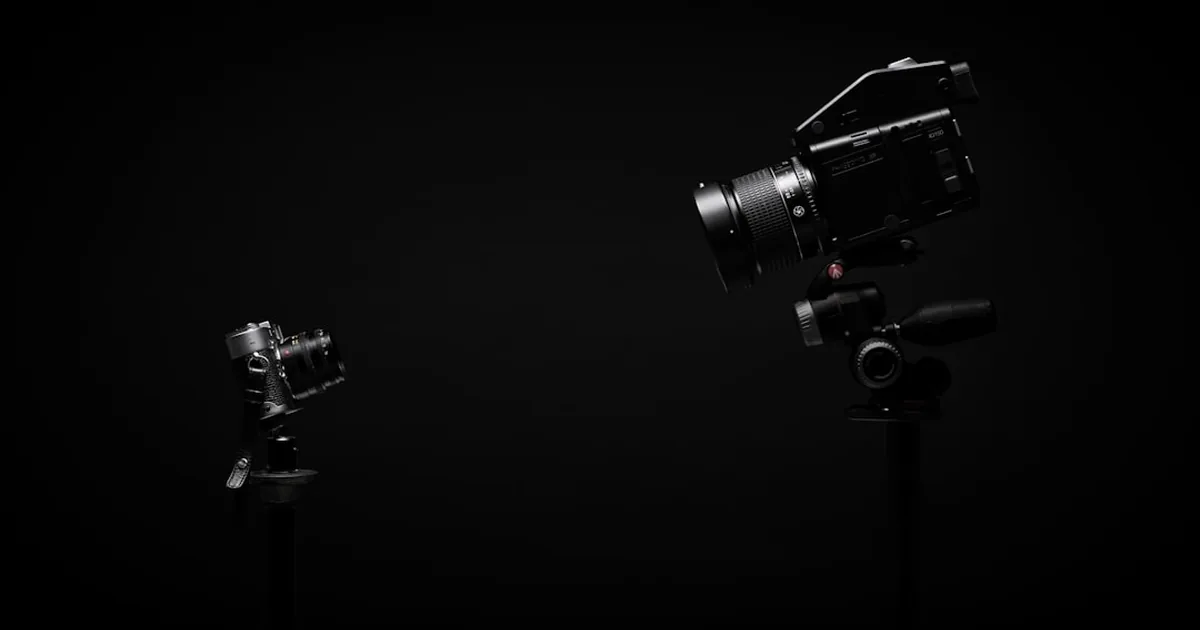
We dropped the five-day shoot week on our productions, and the decision came out of the edit suite, not a scheduling meeting. Day-five footage kept telling on itself: coverage that read fine on the monitor went flat on the timeline, boom shadows nobody caught, performances arriving half a beat behind the same scene blocked on a Tuesday. None of it was anyone's failure — it was the predictable output of a tired crew, and the industry runs tired by default — a UNI Global Union survey of unions representing more than 150,000 crew across twenty countries found 50-to-60-hour weeks are the norm, with days averaging 12 to 13 hours. The four-day shoot week is our working answer at indie scale.
What the fifth day was actually buying
We used to assume the fifth day bought a fifth of the week's pages. Mostly it bought pickups. Fatigue compounds quietly: setups slow down, the shot list gets defended instead of interrogated, and the sound department — always the first place exhaustion shows — stops flagging the refrigerator hum because flagging it means another take. The cost lands weeks later, in ADR that never needed to exist and in scenes recut around a flat line reading. We wrote about this from the other end in the case for cutting on the original timeline: the edit is where production habits send their invoices.
It isn't only a quality problem. In the same global survey work, more than a quarter of crew in independent television production said extreme fatigue had led to serious incidents on set. A schedule that depends on week-long depletion is a safety posture, whether or not anyone names it that way.
The arithmetic nobody runs
The standard objection is money, and the objection rarely arrives with numbers. The numbers exist. A Bectu Vision and Timewise study modeled eight-hour days against the standard ten in scripted drama and found total production costs rose by an estimated 4 percent once the schedule stretched to compensate — a margin most respondents, producers included, considered worth paying against a long-hours culture they called unsustainable.
The four-day week is the same trade denominated in days instead of hours: the same number of shooting days spread across more calendar weeks, plus a dark day that works like a production resource. Gear gets repaired. Next week's locations get walked. Notes from the last block actually get read. The study's quieter finding matters just as much: shorter schedules only stay efficient when the weight moves forward into prep — scripts locked earlier, an honest day-out-of-days, shot lists that survive contact with the location. The four-day week doesn't forgive thin pre-production. It exposes it.
A small counter-example
We watch for the cases that cut against us. Talia Lugacy shot This Is Not a War Story across 41 spread-out days over eight months, with days capped at eight to twelve hours, after a first feature crammed into 24 days at 14 to 18 hours — and she credits the spread-out schedule with room to reshoot, reassess, and begin cutting between blocks. That model is more radical than ours, and it isn't ours. A single-location verité day sometimes wants to run long, and we let it. The rule protects the shape of the week, not the purity of any one day: four days of full attention, then a hard stop.
The dark day now sits in our schedule the way a generator sits on the truck — a line item that makes everything else work. What convinced us wasn't morale, though morale improved. It was the sound. Quiet rooms, clean room tone, a boom operator with enough left to chase the line on the last setup of the week. The mix tells you, faster than any production report, whether the crew had anything left to give.
Keep reading
More from the journal →