July 23, 2025 · 4 min read
Why we still record room tone for sixty seconds, every time
The sixty-second room tone hold can look like ceremony on a tight day. We keep doing it because the dialogue edit quietly depends on that minute of nothing.
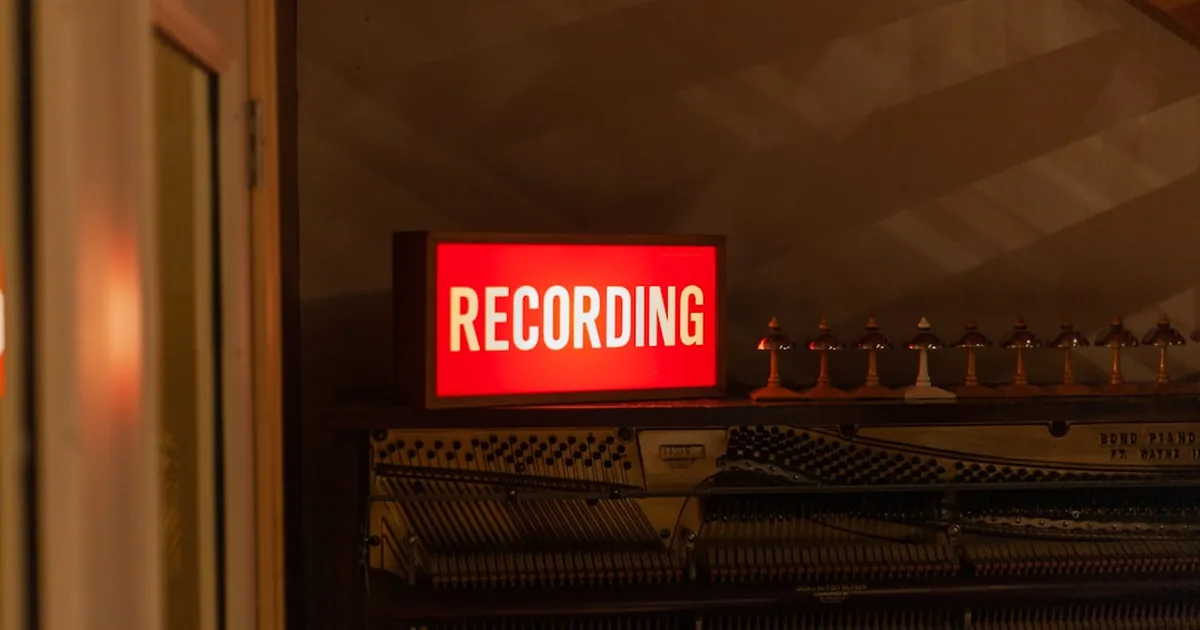
Sixty seconds is a long time on a working set. Phones come halfway out of pockets, a hand drifts toward a door latch, the gaffer remembers something that needed taping down an hour ago. Holding a full minute for room tone recording, at every setup, can look like ceremony — the sound department flexing while forty people stand still. We do it anyway, on every location and every project, and we haven't once regretted the minute.
The short answer is that the minute is not for the set. It is for someone the set will never meet: the dialogue editor, months from now, hunting for thirty clean frames of nothing to hide a cough that landed on the best take of the day.
A minute of silence is not silence
Room tone — presence, in the older vocabulary — is the sound a space makes when nobody in it is speaking. It is distinct from ambience precisely because nothing identifiable is happening in it: no traffic swell, no birds, no espresso machine. Just the air handling, the building's electrical hum, and the particular way this room reflects all of it into this microphone.
That last part matters more than it seems. A microphone placed in two different positions in the same room captures two different presences, which is why tone is recorded in mono, with the boom in the same position and orientation it held for the dialogue. Tone captured from across the room is a different room, as far as the edit is concerned.
And the edit can't simply do without. A dialogue track that drops to true digital zero doesn't read as quiet to an audience — it reads as the sound system failing. Viewers may not name what went wrong, but they feel the air go out of the scene.
What the edit does with a minute of nothing
Almost everything, it turns out. The dialogue editor patches tone over off-camera noises — the cough, the dropped clamp, the chair creak under the line. When production effects get pulled out to their own tracks for the M&E stem, tone fills the holes left behind. When a line comes back from ADR, a bed of the scene's own tone goes underneath it so the re-recorded voice sits in the same air as everything around it. Some delivery specs require the dialogue track to be filled from first frame to last; on those projects tone isn't a courtesy; it's a deliverable.
When tone was never recorded, it gets manufactured. Dialogue editors describe harvesting quiet fragments from clip handles, looping them, reversing the copy so the seam won't repeat — hours of careful work to counterfeit a minute the set could have given them for free. We wrote about how differently the same material can sit in different spaces in listening, in three rooms; the dialogue edit is where that difference stops being a curiosity and starts being a schedule item.
Why sixty, and why every time
Ten seconds of tone under a long pause loops audibly. Sixty gives the editor enough variation to cut from — different stretches for different gaps, headroom for long crossfades, insurance against the one passing car that contaminated the first twenty seconds. Storage is free. Regret is not.
Every time, because tone drifts. The HVAC cycles. Traffic builds toward evening. The lights have been hot for six hours and the building sounds different than it did at call. Yesterday's tone — even this morning's tone — is an approximation, and approximations are what the audience feels without naming.
Mostly, though, the ritual exists because sets resist it. Sound fits in around picture, and picture fits in around lighting, and on a compressed day the recordings you skip don't come back. Sound On Sound's account of a one-day short-film shoot ends with the director wishing, in the edit, for exactly the clean silence the day never made room for — something "to sit other things on." Veteran mixers have learned to name the hold out loud before the first take, while the set still belongs to everyone. We took that habit and doubled the count.
A working note
The minute of tone is the cheapest insurance a production buys all day — sixty seconds against hours of synthetic fill, against an ADR line that never quite lands in the room, against a quiet scene that feels wrong in ways nobody can articulate. It's also a useful minute: the whole set listening to the room it has been talking over since call. Our in-house sound practice is built on small disciplines like this one. The edit room hears the difference, even when no one else can say why.
Keep reading
More from the journal →