June 13, 2025 · 4 min read
The festival circuit is changing — here is what we see
The indie festival circuit we worked inside a decade ago no longer exists. Notes on what is shifting and how we are now preparing films for the circuit.
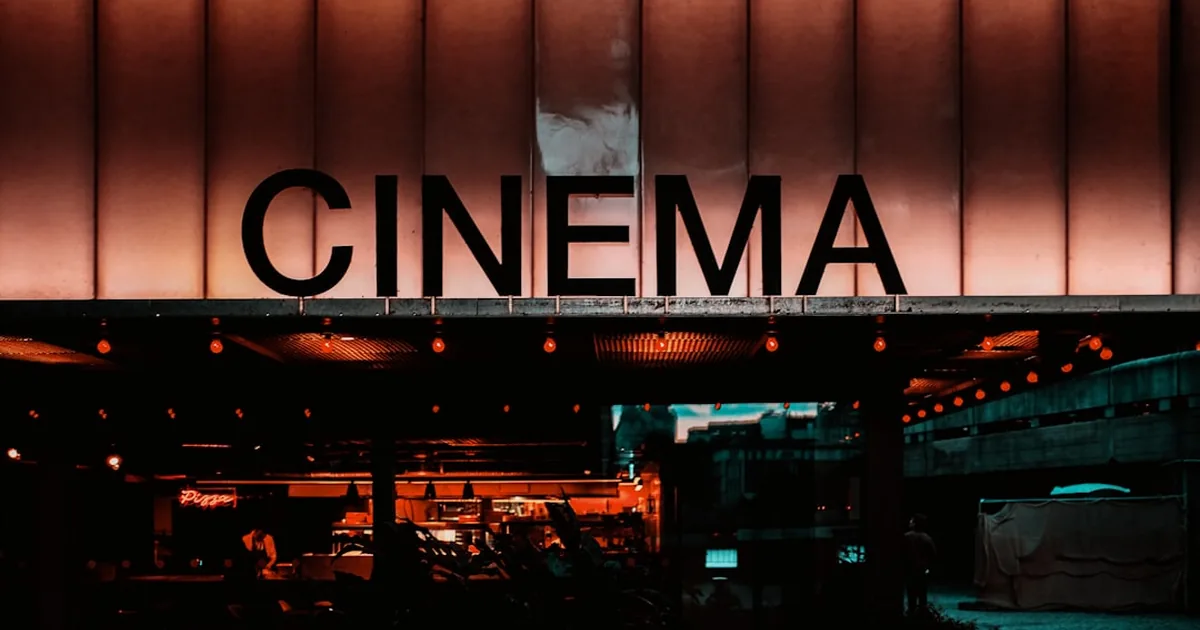
The indie festival circuit we worked inside a decade ago does not exist anymore, and the one that has replaced it rewards a different set of choices. Top-tier festivals are tightening their eligibility gates while their commercial leverage erodes. Regional festivals have taken on the convening work that Park City and the Croisette partly vacated. Filmmaker-led distribution has stopped being the fallback and become the planning assumption. None of this is a forecast — it is what we see from inside the studio, on our own slate and on the films we are mixing for other people.
The top tier is tightening, not opening
Cannes opened submissions for the 2026 Official Selection with deadlines of March 13 for features, March 2 for shorts, and February 25 for La Cinef school films. Sundance held the line on no fee waivers and a strict completion window — projects submitted for 2026 must be finished in 2024 or 2025, with anything older ruled out. The pattern is consistent. As FilmFreeway-era platforms keep dumping submission volume at the bottom of the funnel, the top of the funnel narrows the gate rather than widening it.
That filters down to our schedule in concrete ways. Picture lock has to land earlier so the DCP and the final M&E stem are clean before the festival deadline, not after. Sync clearance now wraps before the submission cut, because the festival cut and any eventual distribution cut have to come from the same conformed timeline. Locking after a programmer call no longer matches the calendar.
The prestige-to-revenue gap is widening
IndieWire's read on Cannes 2026 was direct: the Croisette still confers prestige, but the model for converting that prestige into a deal is shakier than ever. Industry leaders are saying the same thing in regional rooms. A Sony post-production executive on a panel in Providence simply said out loud that no one is buying right now, two years after the strikes.
What is filling the gap is filmmaker-led. The same IndieWire piece notes that audience-equity platforms have moved from theory into use, with one director raising roughly two million dollars from about 2,500 fans for an action slate. We do not see this replacing buyer-led acquisition at the top, but we do see it reshaping how a small film should plan its release: a festival run is now a beginning, not a sale.
A circuit reorganising around regional weight
The most interesting work in 2025 happened outside the legacy six. The Rhode Island International Film Festival ran an Oscar- and BAFTA-qualifying programme, hosted panels with execs from Platinum Dunes, AGBO, LD Entertainment and Wayfarer Studios, and built a bicoastal partnership with the Catalina Film Festival, with its qualifying shorts then screening at the Academy Museum in Los Angeles. Filmmaker Magazine's standing Festival Circuit column tracks the same pattern across BlackStar, True/False, Camden and NewFest — regional and specialty festivals doing the convening, the programmer-to-filmmaker matchmaking, and the small-room industry conversation the top tier used to monopolise.
This matters for music supervision and for sound work specifically. Those rooms are where a director still meets a composer or a re-recording mixer in person, and where the M&E stem and sync paperwork on a small film either pass quietly or stop the screening. It also changes what counts as a "premiere" worth optimising for. We covered some of that shift on the documentary side in what documentary means now.
What we are doing differently
Four things have changed in how we prep a film for the circuit. We treat a regional premiere as a real premiere — the colour grade, sound mix and DCP are budgeted for that screen, not for a hypothetical later one. We pick three festivals, not thirty; the carpet-bomb submission strategy is a tax we no longer pay. We lock sync licences and M&E stem deliverables before the first submission, because re-clearing music after a pickup is a worse problem than clearing it speculatively. And we build distribution assumptions around filmmaker-led release from day one — a buyer pickup is upside, not the plan. The editorial discipline that holds all of this together is the one we wrote about in cutting on the original timeline: the festival cut and the eventual self-distribution master have to be one document, not two.
The pillar most directly affected by all of this is sound. The festival shift has changed what the sound department gets asked for on a small film — multi-format M&E stems, festival-deliverable DCPs in the same room as the director, and a festival cut that stays in sync with whatever distribution master comes next. That is the work we have most adjusted around, and it is the part of the circuit's change we are most paying attention to as the next year of submissions opens.
Keep reading
More from the journal →