August 7, 2026 · 3 min read
How We Handle On-Location Data Wrangling on a Small Crew
A two-person crew doesn't get to skip data wrangling — it just gets absorbed into whoever's holding the cards. Here's the two-copy floor, the checksum habit, and the lunch/wrap rhythm we run so a corrupted card on day two never becomes the story.
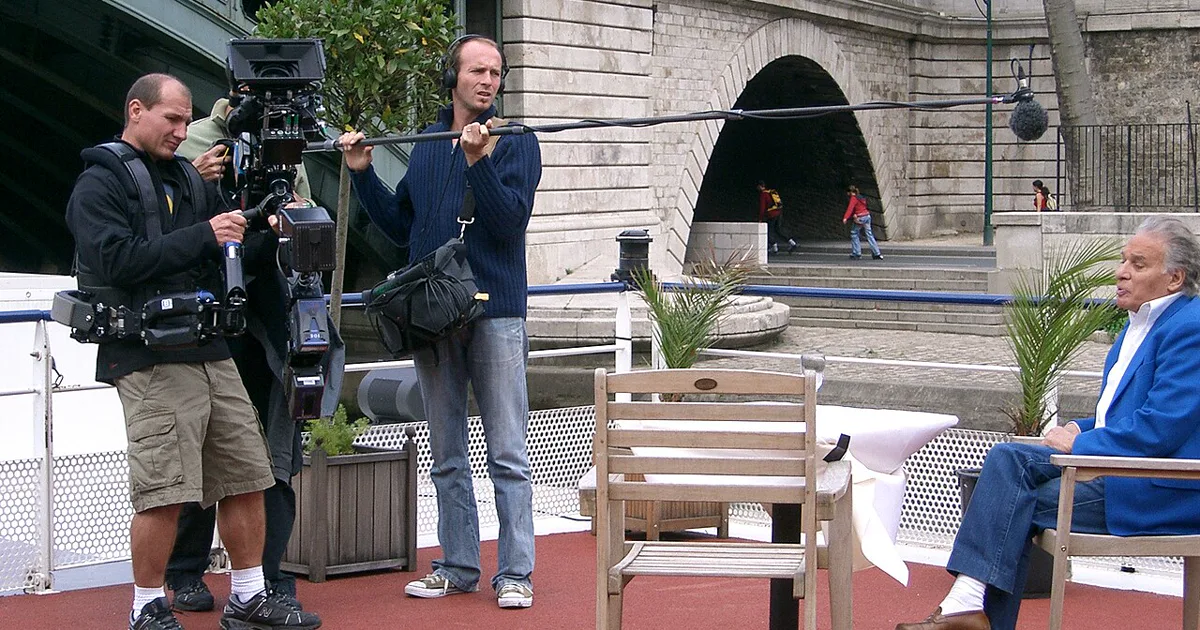
On a two-person crew, the cards still have to be someone's job
No DIT rides along when it's two of us and a rental van. That doesn't mean the data gets looser. It means the job doesn't disappear — it just lands on whoever's already holding the cards. On most of our smaller shoots that's the same person doing camera assist duties, and that folding of the role into the 2nd AC is the standard small-crew pattern, not an improvisation. A corrupted card on day two of a three-day shoot isn't an inconvenience you fix later. It's gone. So the discipline has to survive the crew getting smaller, even when the schedule doesn't leave room for a dedicated hand on the drives.
The Two-Copy Floor
"Backed up" means something specific to us, and it isn't "the files are on another drive." A checksum-verified copy compares a fingerprint of the source against a fingerprint of the destination before either one is trusted — a plain drag-and-drop copy never makes that comparison, which is why we don't rely on one. Most of the small-crew guidance we've read agrees on the floor: two verified copies before a card gets cleared for reuse, three when the day allows it, with the third kept offsite. We run that same math. It doesn't matter whether the tool doing the verification is a dedicated offload app or something free — Red Giant's Offload and DaVinci Resolve's Clone Tool both build the checksum check into the same click that makes the copy, so there's no reason to skip it for speed. The same instinct shaped a decision we made on the sound side, too: fix the workflow instead of the gear, which is part of why we moved to 32-bit float recording a while back. The lesson carries over. A boring, repeatable safeguard beats a clever one you might forget to run on a long day.
Lunch and Wrap, Not Constantly
We don't offload continuously through the day. Cards come off cameras and get logged at two fixed points — lunch and wrap — and that's it. Continuous copying sounds more thorough, but in practice it means running verification in stolen five-minute windows between setups, which is exactly when a step gets skipped. Two scheduled windows keep the pressure off. The routine gets predictable enough that nobody has to remember to do it; they just know when it happens. Alongside the copy, we keep a short log — card ID, destinations, who ran it — so "did that get backed up" is a lookup, not a memory test. Same bias toward the boring, repeatable step over the improvised one that shapes what we reach for first on a small shoot generally: fewer decisions made in the moment, more decisions made once and then just followed.
A working note
The discipline has to scale down before the crew does, not after. That's the part that's easy to get backwards when a shoot gets smaller and everything feels like it should get simpler along with it. Data handling is the one place where it can't. It's the same standard we hold at the other end of the pipeline, when we're deciding how a final master actually gets to the people waiting on it: the size of the crew changes, the care doesn't. On a small film production, that care is often the only thing standing between a hard day and a lost one.
Keep reading
More from the journal →