July 16, 2026 · 4 min read
Camera Tests vs. Storyboards: What We Reach for First on a Small Shoot
On a tight prep schedule, we've learned to spend the day we have on a lens in the actual location rather than a full set of illustrated boards. Here's what a camera test settles that a storyboard can't, and where boards still earn their place.
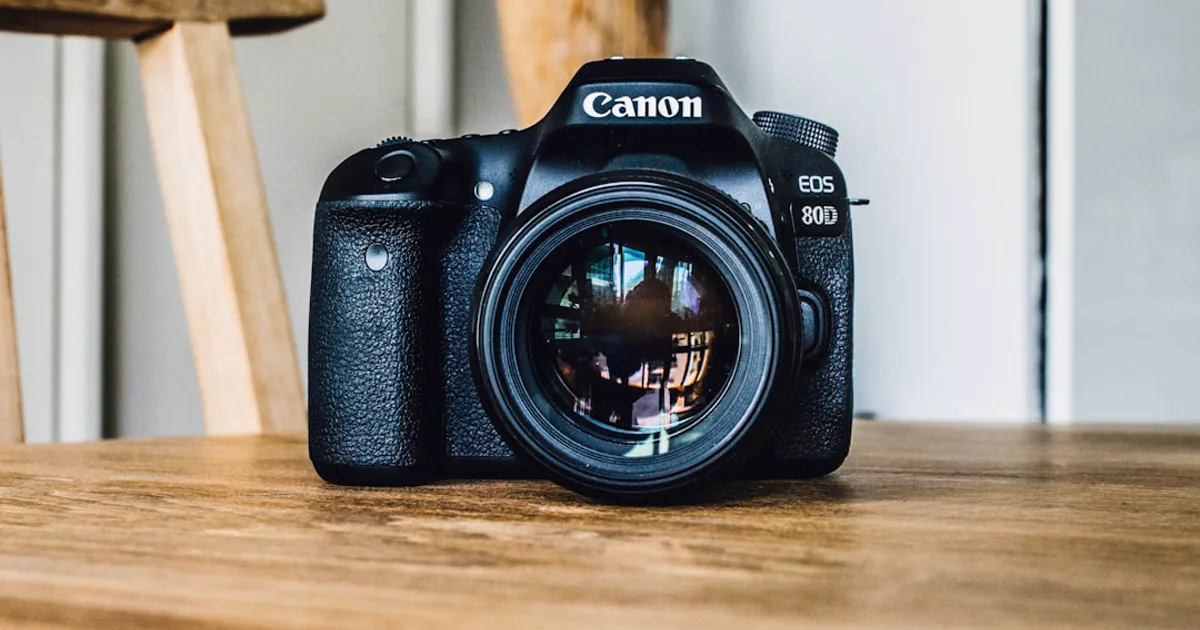
What a Camera Test Actually Settles
A storyboard tells you where the camera goes. It doesn't tell you what the camera sees. On a small crew with one prep day to spend, we've come around to spending it on the second question first.
Cinematographers who test emphasize putting the camera into the actual conditions of the shoot rather than trusting a spec sheet — how a sensor handles a blown-out window, how a given stock reads under sodium-vapor street light, how a specific lens flares against a specific practical on set. None of that is knowable from a data sheet, and none of it is knowable from a drawing either. A board fixes composition and blocking. It has nothing to say about grain, contrast, or how a 40mm reads on your actual lead's face in your actual location.
At the high end, this instinct scales up into something like a bake-off: one cinematographer pitted nine cameras against each other across dozens of simulated shooting conditions, then had the graded footage projected side by side on a 42-foot screen for a blind comparison before committing to a single body for the show. We will never run that test. We don't need to — the same logic works at a scale of one, and that's the same logic we use for a DCP house checklist: don't evaluate the option in the abstract, put it in front of the actual conditions and watch what happens.
The Case for Storyboards
None of this argues against storyboards. A storyboard helps a director and cinematographer catch a blocking problem on paper instead of on the day, gives an editor a visual reference to cut against, and lets a crew glance at a board on set instead of stopping to re-read the script while everyone waits. For a scene with several moving pieces — a crowd, a stunt, a complicated blocking pattern across a room — a board earns its keep before a single light goes up.
Where it costs you is the wrong kind of precision. Optically-correct, technically exact storyboards can limit a director's creativity rather than serve it. Orson Welles and Alfred Hitchcock both storyboarded shots that their own cinematographers initially called impossible to execute — and what actually made those shots work wasn't the board, it was what got solved on the day, in the room, with the gear in hand. The board pointed at the ambition. It didn't deliver it.
Where Storyboards Fall Short on a Small Crew
Modern previs tools promise to close that gap — 3D staging, lighting, and camera-movement simulation before anyone shows up on location. But that technology is still expensive and complex enough that some directors fall back to simpler general-purpose tools instead, and effective previs still depends on a skilled artist translating intent into a usable mockup. A real cost, and a real bottleneck, on a schedule with no room for either.
Even a perfect previs pass answers the wrong question for a small crew's biggest risk. It tells you the camera moves the way you want. It doesn't tell you how you'll actually handle a location that won't cooperate — the window that blows out two stops brighter than planned, the lens that flares in a way the mockup never modeled, the room that reads differently than it looked on the scout.
Scaling the Test Down to One Day, One Location
So the version of the test that fits our schedule looks small on purpose: the intended lens set, the real light at the real time of day, one afternoon on the actual location, shot and reviewed before the crew is booked. We're not choosing between nine cameras. We're finding out, in the one location that matters, whether the plan we made on paper survives contact with it.
What we walk away with is different from what a board gives us. We know how the DP wants to expose the space before the DP's actual working hours get locked into a schedule with no slack to re-shoot a scene because the light did something nobody anticipated. A test converts a guess into a decision, on the one variable — how the camera behaves here — that a board was never built to answer.
The Real Argument Isn't Camera Test vs. Storyboard
The strongest version of the counter-case isn't really about storyboards at all. An independent film's first assistant director has argued that when financing lands late and prep gets compressed, a crew without any structured plan — no storyboard, no shot list — realizes the film in fits and starts, with contradictions between what got shot on different days. True enough, and it's not an argument for boards specifically. It's an argument against showing up without any plan at all, in whatever form actually reduces risk on your shoot.
Working note
We reach for the test first because it answers a question a board can't — but we haven't stopped drawing thumbnails on the back of the sides for a scene that needs them. The tool follows the risk, not the other way around. On the next film, that's still where we start: what does this scene actually need us to know before the crew arrives, and which tool tells us that fastest.
Keep reading
More from the journal →