October 3, 2026 · 2 min read
Preparing a Director for the Festival Q&A That Starts When the Lights Come Up
The Q&A starts the moment the lights come up, and most of what goes wrong in that room was preventable an hour earlier. A field note on briefing the moderator, anticipating the questions that always come, and why we stopped letting directors walk in cold.
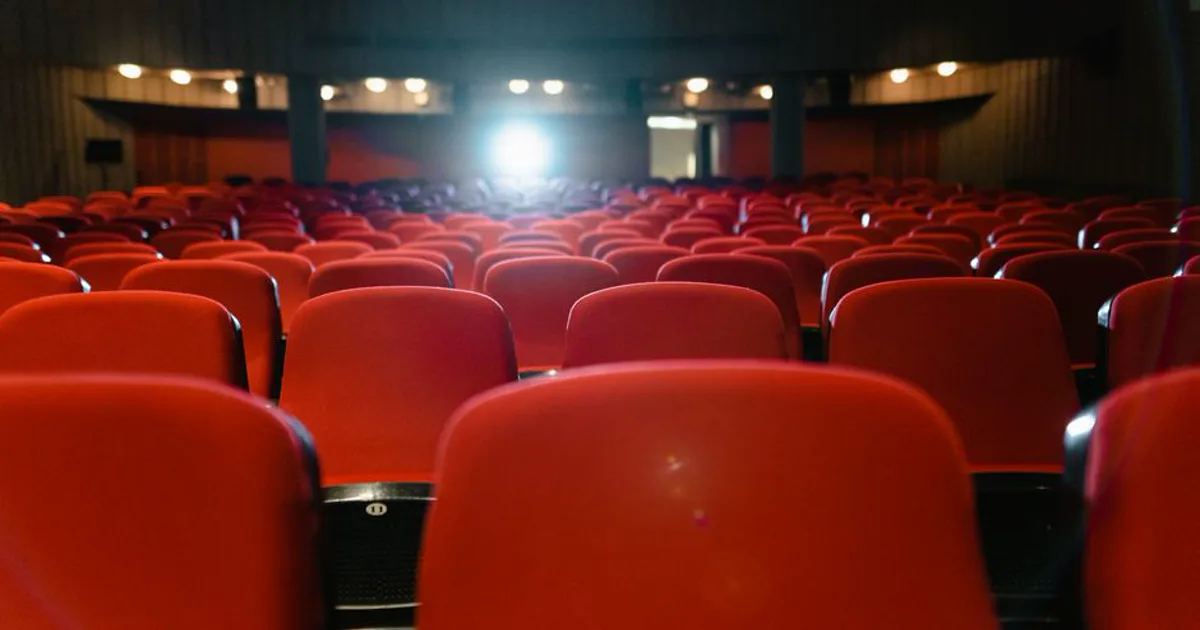
The lights come up and the room changes shape. A minute ago it was an audience watching a film. Now it's a panel watching a director, and the director is usually the only person in the building who hasn't rehearsed for this part. We've watched the same two failures sink an otherwise strong screening: a moderator who gets the premise slightly wrong on the first question, and a director who reaches for "I leave it up to the audience" and feels the room's energy go with it. Neither has anything to do with how good the cut is.
What We Noticed
Across enough festival rooms, the questions stop being a surprise. Budget, format, and "what did you shoot on" show up almost every time. A director who treats them as beneath the real conversation ends up spending the best five minutes of the Q&A on logistics instead of craft. If the film has an ambiguous ending, someone will ask what actually happened — a shrug or a redirect back to the audience reads as evasive, not open-ended. Better to have a real answer, held loosely enough that it doesn't shut the room down.
The moderator conversation matters more than most directors assume going in. A five-minute check-in before the house opens — does this person actually remember the premise, how many mics will be on stage, who fields a hostile question if one comes — fixes the single most common way a post-screening conversation goes sideways before it starts. It's the same discipline we bring to shooting at festivals generally. The room has its own conditions, and you plan for them instead of hoping they resolve themselves.
What We Changed or Kept
What we changed: we stopped sending directors into the room cold. A moderator now gets a short written brief beforehand — the two or three themes we actually want surfaced, one production anecdote worth telling, the question we're hoping someone asks — instead of being left to improvise off the film alone. That kind of specific material produces a more structured conversation than trusting a moderator to reconstruct the film's priorities from a single viewing.
What we kept: we don't hand a director a script. Thoughtful, slightly unpolished candor plays better in that room than a rehearsed paragraph. Audiences can tell the difference, and an over-rehearsed answer reads as a performance layered on top of the one they just watched. The room after the lights come up is really the second half of the same evaluation that started with the programmer's screening process months earlier — the film has to hold up twice, once in the dark and once with the house lights on. Getting a director ready for that second half is part of finishing the film, not a job we hand off once the picture's locked. We think about it the same way we'd think about the sound mix or the score before a festival print ever ships.
Keep reading
More from the journal →