July 23, 2026 · 2 min read
A Field Note on Shooting at Festivals
A short account of one festival day: why wind beats gear as the first thing to fail, why a direct feed off the FOH desk beats building a mic forest, and why our camera kit got smaller instead of bigger. Notes on what we noticed and what we changed, from Still Field's most recent festival coverage.
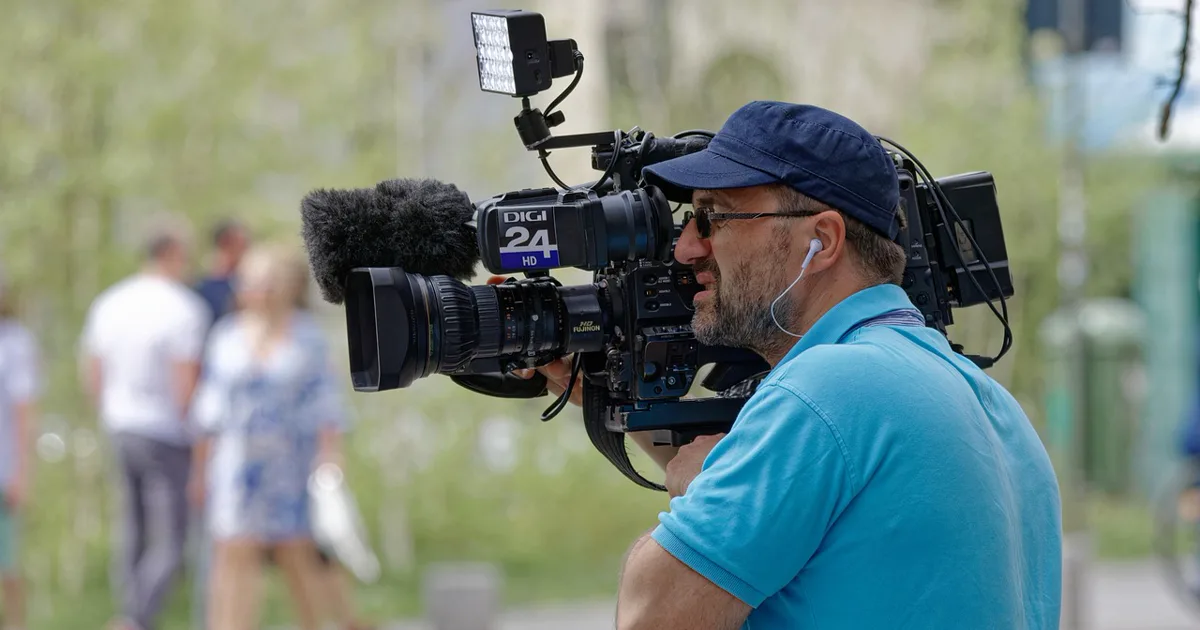
The first thing that fails at a festival shoot is rarely the camera. It's the assumption that conditions will resemble whatever you rehearsed for. No monitor wedge you trust. No room to set up a proper mic tree. A set that will reliably play louder than its own soundcheck. We pulled the notes from a recent Still Field festival day and wrote down what we noticed, and what we changed because of it.
What We Noticed
Wind is what actually breaks an outdoor recording — not a bad microphone choice, not equipment failure, just wind meeting a foam windshield that was never built for outdoor work. The lesson holds across every outdoor session, not just festivals: a proper blimp isn't optional gear, it's the difference between usable audio and wasted takes.
Monitoring catches people off guard the first time. There's no loudspeaker to check a mix against on-site, only headphones, on a set that reliably plays louder than its own soundcheck. So the safe move is to leave real headroom rather than trust levels set an hour earlier. 24-bit recording exists partly for this reason — it tolerates lower levels while holding onto a usable signal-to-noise ratio.
We've also stopped trying to mic a stage that already has its own PA system running. A direct out from the front-of-house desk gives a pre-EQ, pre-fader signal without adding a single stand to a stage where space is already at a premium. It also means the deliverable list is its own project once the set ends — festivals tend to ask for more after the fact than during.
What We Changed or Kept
The camera kit got smaller, not bigger. Run-and-gun festival coverage rewards a durable, forgettable body over a bag of primes; we carry two zooms now instead of four lenses, because a lens change at a festival costs you the actual shot, not just time. Crew size stayed the same for a related reason. One operator can move through a crowd without becoming part of the story. A second camera only comes in for a moment that won't happen twice — not to cover more ground.
The audio side kept its old discipline. We carry a hardware recorder as the real record, the same approach we use shooting in the rain, where a laptop rig one dislodged cable from losing the whole set isn't a risk worth taking outdoors. It's also largely why we've mostly given up on lavaliers for this kind of day: PA bleed makes them unreliable exactly when isolation matters most.
None of this is really about better gear. It's about not trusting conditions we can't control, and building the day around that instead of pretending otherwise — the same judgment call that shapes how we approach location sound on any shoot, festival or not.
Keep reading
More from the journal →