July 3, 2026 · 4 min read
The Case for a Long Deliverable List at Festivals
Filmmakers tend to read a long festival deliverable list as friction. We read it as a record — every line exists because some other film failed in a specific, avoidable way. A look at why the list is tiered, what a short one costs you, and the deliverables nobody puts on the official checklist.
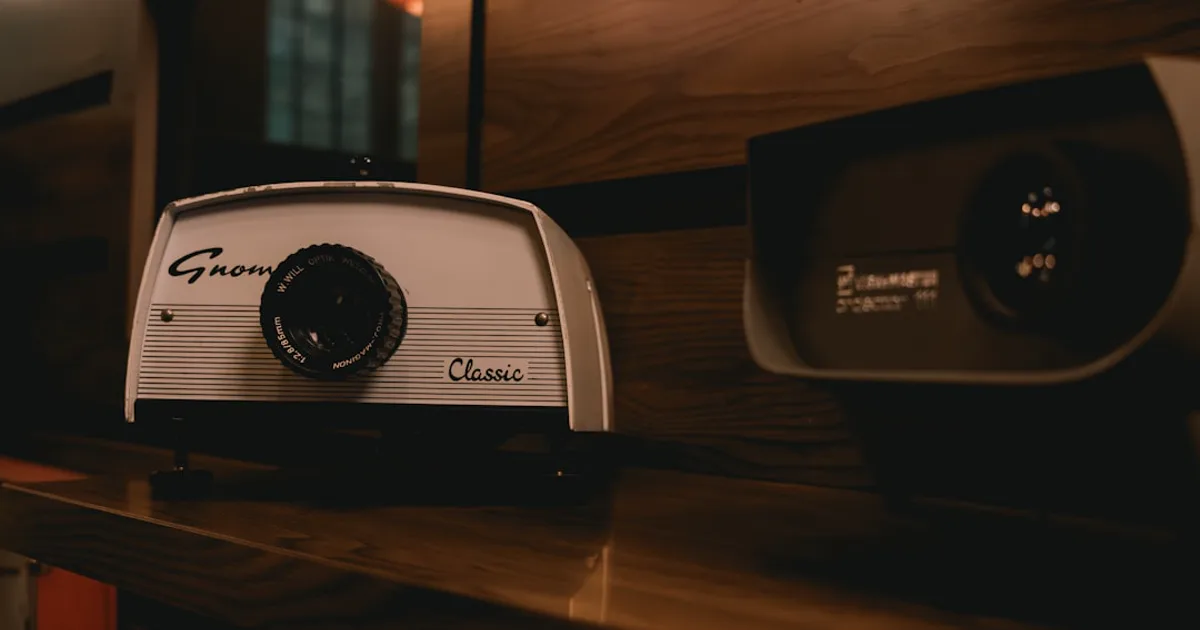
Filmmakers tend to open a festival's technical specifications document and read the length of it as an insult — as if the festival doesn't trust them to know what a DCP is. We read it the other way. A long deliverable list is a record. Every line exists because some other film failed in a specific, avoidable way, and the festival wrote a rule to close that gap for good.
The reframe changes what you actually do with the list. Read it as bureaucracy, and you satisfy it the week before the deadline — minimum effort, hoping none of it applies to you. Read it as a record of failure modes, and the build starts in week one of post.
Stop reading it as friction and here's what the list contains: three separate tiers of technical requirement, deadlines with zero flexibility, and a second, unofficial list of deliverables that decides whether the film gets press at all.
The Tiers Nobody Explains Up Front
Most filmmakers read a festival's requirements as one flat checklist. It isn't. Sundance's submission structure separates review-stage specs from exhibition-stage specs from archival specs, and each tier sets a genuinely different bar. At the screener stage, a compressed file with stereo audio and burned-in timecode is enough — the goal is fast, synchronized playback for a first-pass review, not theatrical fidelity. Once the film is selected, the exhibition tier steps up: DCP for in-person screening, a 5.1 mix where the film supports one, English captions. Selected films then face a third tier again, built around archival preservation rather than screening.
Conflate the tiers and you either over-deliver at review — burning time on a full DCP nobody asked for yet — or under-deliver once selected, showing up with a review-quality file to what's now a theatrical booking.
Redundancy inside a single tier isn't an accident either. Cannes requires French subtitles on every original-version film, English subtitles on anything not in English or French, and a separate emergency subtitled DCP submitted ahead of opening night as backup. Each variant closes one specific way a screening goes wrong: the wrong language track, a damaged primary DCP, a print that never arrives. We apply the same logic before a film even reaches this stage — in how we vet a DCP house, a delivery format is only as reliable as the fallback behind it.
What a Short List Actually Costs You
The part of the list that reads as excessive is usually the part with zero flexibility behind it. Cannes states plainly: a DCP that hasn't arrived by the festival's start date means the film doesn't screen. No late-fee tier, no grace window — a hard stop. That's not rigidity for its own sake. It's a festival protecting a fixed schedule from a variable it can't control once the DCP is in transit.
The same logic runs through Filmmaker Magazine's delivery advice: test the DCP in an actual theater before it ships. A technical failure at the wrong screening doesn't just cost that slot — it costs the programmer relationship behind it. Programmers remember who shows up with something that plays cleanly, and who doesn't.
We learned this the specific way, not the abstract way. One submission we got wrong taught us the fix was never "work faster closer to the deadline" — it was moving the deliverable list into the production schedule itself, so a given festival's needs get answered in week two of post, not the week the DCP is due.
The Deliverables Nobody Puts on the Checklist
The technical spec sheet is only half the list. The other half — stills, an electronic press kit, a teaser, a working website — never shows up on a festival's official requirements page, and it's the half most likely to get built at the last minute, if at all. IndieWire has the right framing: these materials exist to sell the film the moment it's accepted, not to satisfy paperwork. A programmer's acceptance email and a press office's outreach window open at the same moment. There's no grace period to assemble marketing materials after the fact.
Physical media tells the same story from the other direction — it's disappearing, not multiplying. Blu-ray and DVD submissions are effectively dead; the shift has moved entirely to DCP for theatrical exhibition and password-protected streaming links for programmer review. That consolidation is one more reason the rest of the list keeps growing: fewer formats to prepare, but sharper, more specific expectations for the ones that remain.
A Working Note
A long festival deliverable list isn't the festival doubting you — it's the festival showing its work. Every line is a scar from a film that arrived late, in the wrong language, or with no press kit ready when the acceptance email landed. We've stopped treating the list as a deadline-week scramble. Now it's a production-phase decision: the 5.1 stem gets mixed to spec while the film is still in the sound suite, not two days before a festival asks for it.
Keep reading
More from the journal →