November 14, 2026 · 3 min read
When We Hire Actors to Voice a Transcript We Can't Play
When the transcript can be used but the recording can't, hiring actors is a sound-ethics decision. How we direct the read, label it and log every line.
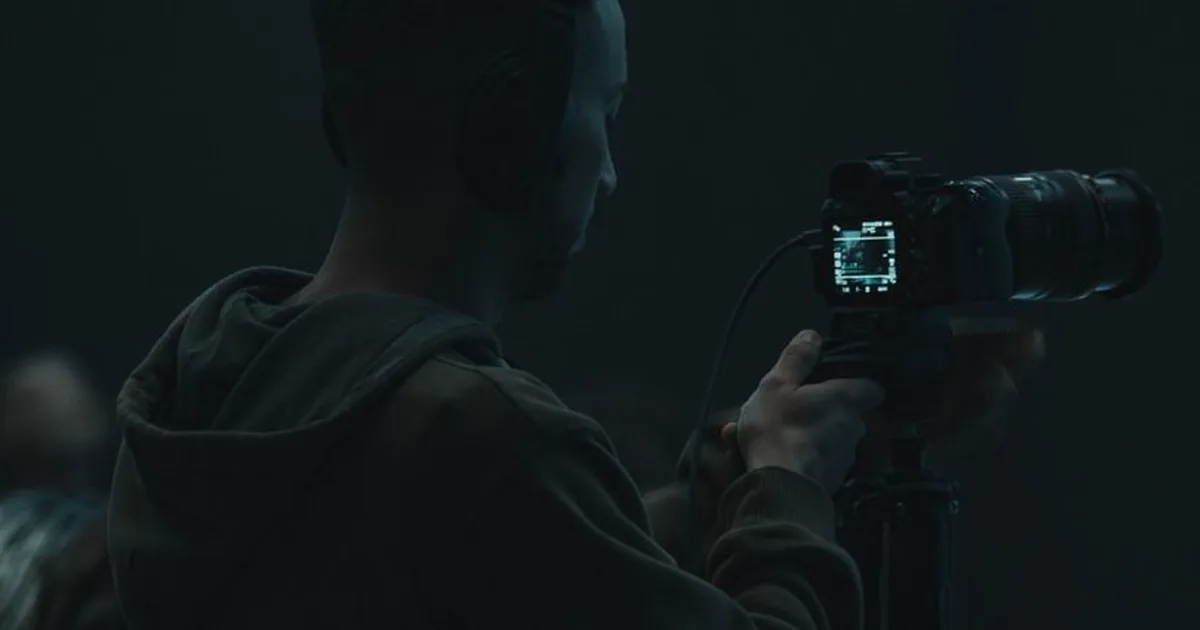
The transcript exists, the tape can't be played
Sometimes a documentary has the words and not the recording. A court won't release the audio, a protective restriction applies, or no one ever recorded the room. Hiring actors to perform the transcript then looks like a workaround. It isn't. It's a sound-ethics decision, and we treat it as one before we book a single session. The first questions are practical: why can't the recording be played, who set that limit, and does the limit also cover a performed version of the same words? If the answer to the last one isn't clear, the session waits until it is.
What the record shows
The choice has precedent, in audio and on screen. The producers of the audio documentary walk Consent – walk the walk, about a 2017 sexual assault trial in St. John's, were not permitted to use the court audio recordings and employed actors to perform the court transcripts. The abstract of Jeanti Suzan St Clair's 2019 study in RadioDoc Review is clear that this raises issues around the impact of dramatised re-enactment, and that sound design can shape how the audience feels.
Chicago 10 works the same way on screen. Brett Morgen combines archival footage with actors reading from the court transcripts of the Chicago Seven trial, because there were no cameras in that courtroom.
In both cases the words are real and the voices are not. The whole job is keeping those two facts from blurring. A reenactment can keep the spoken content and change everything around it, which is exactly why the changes around it need to be chosen on purpose.
Why this is not the atmosphere question
We've written about where atmosphere ends and invention begins. That question is about sound the location never gave us. This one is different. every word is sourced, and what we add is a performance. A performance still moves the listener, so it needs its own rules.
Directing the read
We ask actors to perform the words, not to impersonate the speaker. An impression invites the audience to hear a real person who isn't there, and that is the one thing we can't claim.
The same goes for the space. A read recorded in a dry booth, close to the microphone, is plainly a reconstruction. A read with a matched courtroom reverb and a distant perspective starts to sound like a recording that was smuggled out. We keep the treatment on the side of the studio. Pauses and false starts stay only where the transcript has them, and we don't invent any. If the transcript is flat on the page, the actor gets the flat line, and the cut decides how long it sits.
Telling the audience
Labelling is the part we won't leave to the credits. The Archival Producers Alliance, writing about generative AI, puts it plainly: the cornerstone of its guidelines is transparency, and audiences should understand what they are seeing and hearing. Those guidelines are about AI-generated media, not actors, and we found no universal rule that covers actors voicing a transcript. We borrow the principle anyway. A line on screen or a spoken card at the head of the sequence says that these are performers reading the record.
A log for every line
We keep a log: the transcript page and line each read comes from, who performed it, which take made the cut. It is the same discipline as the releases we get before the camera turns on, pointed at sound. When a lawyer, a broadcaster or a festival asks where a sentence came from, the answer is a page number rather than a memory.
The working note for sound is short: if the viewer could mistake the read for the tape, we haven't finished the mix.
Keep reading
More from the journal →