November 5, 2026 · 4 min read
Where Atmosphere Ends and Invention Begins in a Documentary Mix
A documentary mix is built, never a straight line from microphone to speaker. The ethics sit in what the built sound claims about what happened.
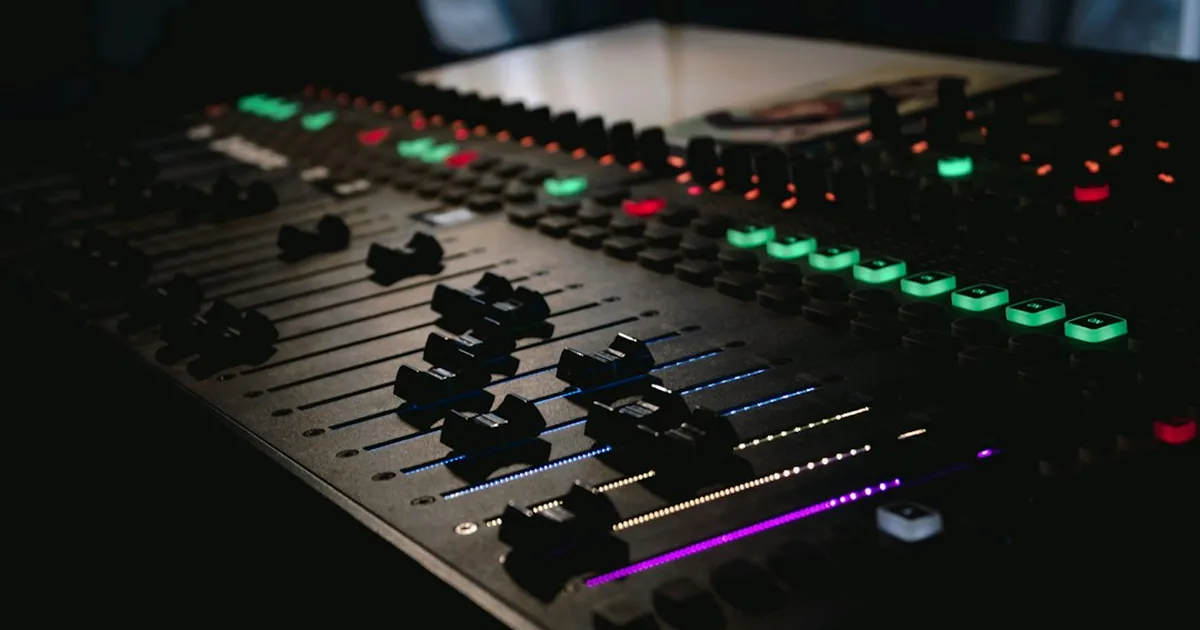
A mix is always built
Nobody gets a documentary soundtrack by pointing a microphone at events and pressing play. A crew can't ask for a retake and ADR isn't on the table, so the production mixer protects dialogue and takes what the room gives. The rest is assembled later. Re-recording mixer Bernhard Zorzi puts it plainly: it is a manipulation of sound because it's not a direct path from a microphone to the final soundtrack.
So "should we add sound?" is the wrong question. The useful one is what the added sound is allowed to claim. One working answer from the documentary-making side is that effects are fine as long as you stay ethical to the story and don't trick the audience into believing something that isn't true. You can apply that test cue by cue.
Mine the production tracks first
Before we open a library, we go back through the location recordings. Zorzi's account of The Ivory Game is the model: he searched every second of production audio, found elephant grunts and villagers shouting, and used spectral editing and EQ to lift them out of the background. Layered and positioned, they became new surround beds. His summary of why that still counts as honest: it was provided and not made up.
Room tone belongs in the same drawer. A bed built from the actual space, matched to the camera position and the hour, is atmosphere in the strictest sense. It adds nothing the room didn't say. If the production tracks can't carry a scene, that is a finding about the shoot, and it goes in the notes before anyone reaches for a replacement.
Enhancement is not fabrication
Between "recorded" and "invented" sits a wide middle. The drone explosion in Sea of Shadows came mostly from production, around 80 percent according to Zorzi, with supporting layers and an LFE element added for weight. The event happened, the sound of it was captured, and the mix made the capture land. We call that enhancement.
Some moments have nothing to enhance. Zorzi kept a dry-grass rustle from the production recording because it beat anything a Foley stage produced. Elsewhere he used a library effect for an elephant pawing a skull, a sound with no connection to bone. That is fabrication, and the source is honest about it. The difference is what the sound carries: a texture standing in for something unrecorded, not a new fact about what happened. One layer can carry a lot of meaning; it's the same reason footsteps carry a genre.
Does the sound tell the audience something the picture does not?
This is the test we use, and it has three parts.
First, would the viewer come away believing an event occurred that didn't? A gunshot under a recreation, clearly staged, shapes the experience. The same gunshot under archival footage claims a shot was fired. Second, is the sound explaining the scene or leaning on the viewer? Added rock impacts in the Sea of Shadows riot gave the scene direction and depth, but the production recording set the timing, and the siren was used only to suggest an attack. Third, whose purpose does it serve? One reader of the Desktop Documentaries piece puts it well: it depends on how much is presentation of issues and how much is an attempt to influence.
Heavy design carries its own cost. The same comments section includes a reader who finds over-built documentaries unwatchable and asks filmmakers to tell the story without sound padding. We take that as a craft note, not a complaint to dismiss. And if the people in the film will hear the result, the question gets personal; we wrote about involving subjects in the sound mix for that reason.
Subtraction is also a decision
Invention isn't only addition. In the Vaquita rescue scene the mix drops from full Atmos ambience to the center channel alone, leaving one creaking boat at the moment of death. Nothing false was added, yet the choice shapes what the audience feels. Taking sound away needs the same test as putting it in.
A working note
We keep a sound report for every cut that separates three things: recorded on location, built from location sound, and added from outside. Mix's piece doesn't say whether audiences are told about these enhancements, and we won't pretend there's a settled convention. What we can do is make sure anyone on the team could answer, cue by cue, which category it falls in. It's a short list, built into how we schedule a mix day, and it is the part of the sound pillar that keeps the rest honest.
Keep reading
More from the journal →