September 20, 2026 · 4 min read
What Consent Sounds Like: Involving Subjects in a Documentary's Sound Mix
Documentary ethics conversations mostly stop at the edit. We think the mix deserves the same scrutiny — a working note on what it looks like to play a subject's own voice back to them before a film locks, and why that's closer to existing practice than it sounds.
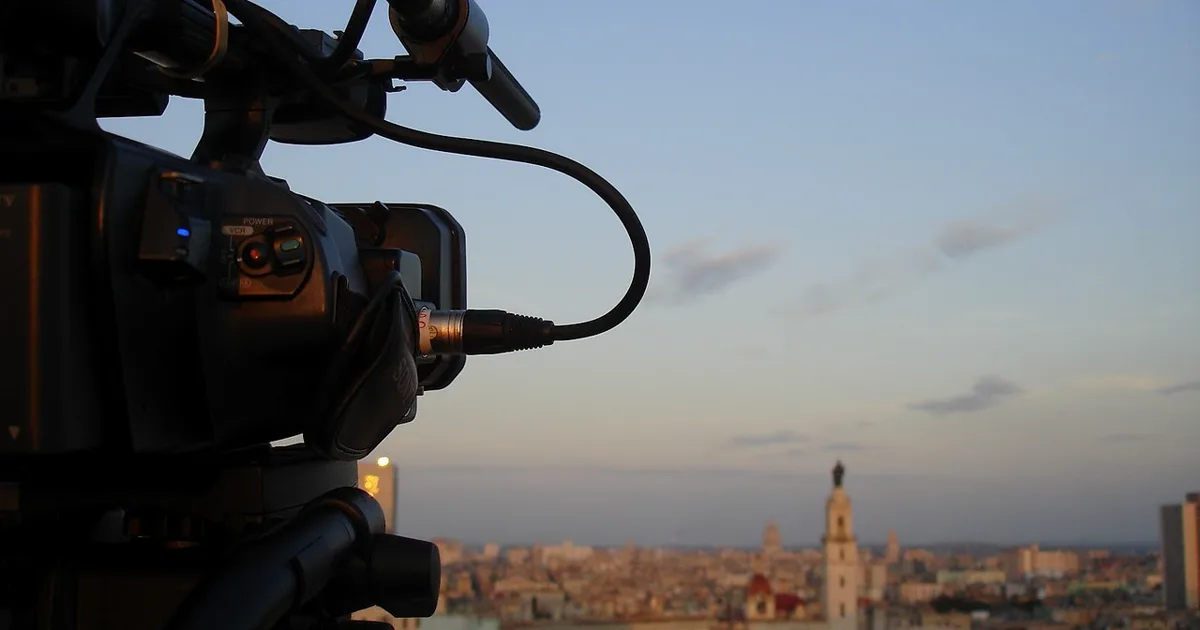
A subject hears their own voice come back to them — leveled, de-essed, room tone smoothed underneath — and reacts to it like a different kind of exposure than the picture cut ever was. That reaction is the starting point here. Most conversations about documentary ethics stop at the edit: which scene, which admission, which look on someone's face made the final cut. The mix gets almost none of that same scrutiny, even though it decides how a subject's voice sits in the world for as long as the film exists.
So this is a working note on bringing a subject into the mix, not just the cut. Where that's practical, what it protects, and where it stops.
What the Mix Owes a Subject
The edit gets scrutiny; the mix doesn't
Sound in documentary isn't a neutral track running under the picture. Writing on sensory documentary describes sound as a complex, often intense auditory surround the imagery unfolds within — not an adjunct to image but a space the audience is placed inside. Even sound-forward documentary criticism, though, tends to talk about mix choices as entirely the filmmaker's: a formal decision made about a subject, not with one. That's the gap worth naming.
Participatory practice already has the vocabulary for this
Bill Nichols's "participatory mode" is the precise term here: the filmmaker interacts with subjects rather than observing them unobtrusively, and that interaction becomes visible in the finished film. Peer-reviewed participatory filmmaking research extends the same logic to representation more broadly — subjects treated as active co-creators rather than passive interviewees, with privacy-versus-openness handled as an ongoing negotiation instead of a single signature. If narrative and image decisions are already negotiable, there's no real reason sound should sit outside that. A subject's raw vocal tone, a caught breath, a piece of background noise that reveals a location — all of it carries the same representational weight as a shot choice. They're the same questions we ask in the editing room, just asked later, about a different track.
What Playback Actually Sounds Like
The specific things worth playing back
In practice this doesn't mean screening a full mix for a subject and collecting notes. It's narrower: their leveled dialogue, before lock, isolated from music and effects. What we're listening for together is specific — room tone or background sound that reveals more than they meant to on shoot day, a workplace or an address audible under the words, a moment of hesitation or distress that reads differently once it's isolated and turned up than it did live in the room.
How this fits an existing workflow, not a new one
This isn't a new stage bolted onto the schedule. A spotting session for sound already exists on most projects; this is an argument for extending that same session's spirit to a subject-facing pass. And because we already run a separate dialogue session at the mix, a subject's voice is already isolated from everything else. Adding a playback step doesn't mean reopening the full mix — just running that one stem past the person it belongs to. On a recent verité cut, a subject asked for a single sentence to be pulled back under room tone rather than sit forward in the mix. A request about how she sounded, not what she said. Small edit. Not one the mix would have surfaced on its own.
Where the Signature Runs Out
Consent given once, at the start of a shoot, doesn't necessarily hold for how a film exists years later. One participant in a long-running true-crime series has described her relationship to her own recorded voice and story changing substantially over two decades — a different person at 22, still processing trauma, than at 37, watching new episodes get added without her input. That's not an argument for re-negotiating an entire film with every re-release. It's an argument for treating the mix as one of the places where that first signature runs out fastest, because a voice, played back, is more exposing than most subjects expect going in.
Worth naming the limit honestly, too: this doesn't happen on every project. Budget and schedule don't always allow a dedicated playback pass, and not every subject wants to re-listen to themselves. The point isn't that this step is mandatory — it's that it should be a real option on the table, not something that never occurs to anyone to offer.
A Standing Step, Not a Special Case
The mix is a representational decision, same as any cut. Bringing a subject into it doesn't require turning a sound studio into a legal-review process — it requires treating their voice with the weight their story already gets in the edit. On projects where it's practical, we've started building a short playback pass into the dialogue session itself, as a standing step rather than a special request. A small addition to how we approach sound. It changes what the studio is actually listening for.
Keep reading
More from the journal →