August 16, 2026 · 4 min read
Why the Final Ten Percent of a Color Grade Needs a Person
AI-graded passes can correct a ninety-minute timeline in an afternoon. The last ten percent — the decisions about how a scene should feel — is a different kind of work, and it still ends with a person at a calibrated monitor.
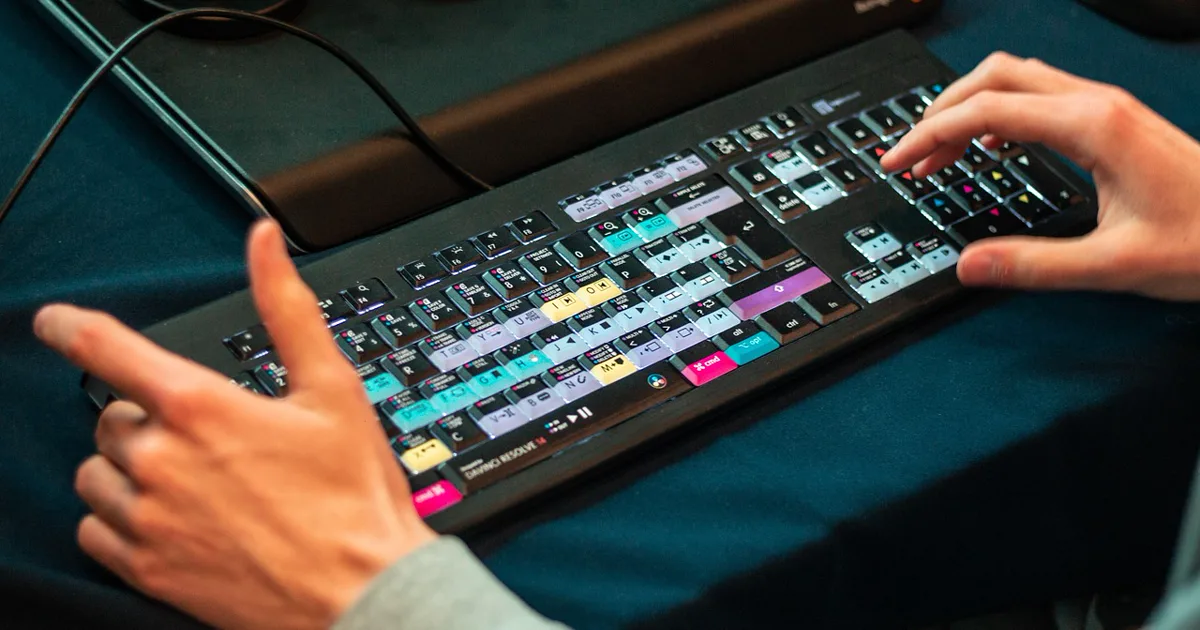
An AI-graded pass can chew through a ninety-minute timeline in an afternoon — matching every shot to a reference frame, correcting exposure, catching the obvious skin and sky problems, done. That used to eat two weeks on a colorist's calendar. In 2026 it's real, and it isn't vendor copy: AI color tools have gotten genuinely good at the technical layer of the job.
What that pass hasn't done is close the last ten percent. The automated version gets a timeline to correct. The remaining stretch is the difference between correct and finished — a set of decisions about how a scene should feel, checked by a person at a calibrated reference monitor before anything ships. That gap isn't a rounding error waiting on a better model release. It's a different kind of decision.
What the automated pass is actually good at
Shot matching and technical correction
Set a reference frame and the system grades the rest of the timeline to match it, adapting inside a single clip as the light changes rather than applying one flat correction across the whole thing. It can identify faces, skin, sky, and exposure problems across a full cut and flag or fix them without a human scrubbing every frame first. At the sharper end of that, a Clemson University prototype called ColorNet has demonstrated pixel-by-pixel isolation of a single brand color — adjusting one specific hue across dozens of camera angles without dragging surrounding skin tones or grass along with it. That's real technical capability, not a demo reel.
Where this already earns its keep
This is the genuinely repetitive part of the job: batch-processing a full timeline, holding a look consistent across hundreds of setups, catching the boring stuff before a person ever sits down at the console. It's the same instinct behind the two-grade workflow we already run for festival cuts and streaming masters — two passes exist because the delivery target is a technical spec, and matching a spec is exactly the kind of work automation is built for.
Where the automated pass runs out
The decisions that don't have a reference to match against
A reference-matching system needs a reference. Some of the most consequential choices in a grade don't have one. Colorist Tashi Trieu Nakamura, describing the finishing work on Gladiator II, talks about a flashback sequence where the team considered a straightforward black-and-white treatment and instead chose cool tones because of the story's emotional context — a decision with no technical rule behind it, only a read on what the scene needed. Day-for-night work is the clearest recurring example of the same problem: shots that "take a lot of massaging," in Nakamura's words, balancing several adjustments at once to make an impossible lighting condition look natural. Nothing in an automated pass is deciding whether that result reads as convincing — it's deciding whether it matches a target that doesn't exist yet.
The edge cases the automated pass doesn't flag as errors
The technical layer also has blind spots that don't announce themselves. Skin-tone handling is still uneven on non-average complexions, and a model trained on aggregate accuracy has no way to flag that as a miss — a director or DP catches it by eye in seconds. The same goes for footage pulled from dozens of cameras under mixed natural and artificial light: harmonizing that footage still depends on a colorist's perception, which is exactly why the Clemson team building ColorNet staffed the project with people from film production, not only engineers.
The calibrated monitor isn't a formality
For festival, broadcast, theatrical, or Dolby Vision and ACES-heavy delivery, final quality control still runs through a person at a calibrated monitor, not an automated pass with a checkmark. That's the same discipline behind why we still QC on a calibrated monitor before we ship — a spec-compliant export and a shot that actually reads right in a dark theater aren't automatically the same file.
Color grading traces back to photochemical color timing, when lab timers worked with a film's creative team and previewed changes on a Hazeltine analyzer before committing to a print run. Telecine replaced the darkroom, Digital Intermediate replaced telecine, and now machine-learning correction sits on top of DI. Every one of those transitions changed the tool. None of them changed who makes the call that a shot looks right.
Automation earns the boring middle — the batch matching, the exposure leveling, the technical floor a timeline needs before anyone can make a creative decision about it. The last ten percent is a judgment call, and judgment calls need someone to own them. It's the same line we draw in the edit bay: automation is a component decision a person still makes, not a replacement for the person making it. A color choice is still someone deciding how a moment should feel — not a file being matched to a spec.
Keep reading
More from the journal →