August 21, 2026 · 4 min read
Why We Own the Room Instead of Renting Studio Time
We own the room rather than book it by the hour. That decision changes which jobs we can afford to take on — and it isn't the same decision as owning every piece of gear that passes through it.
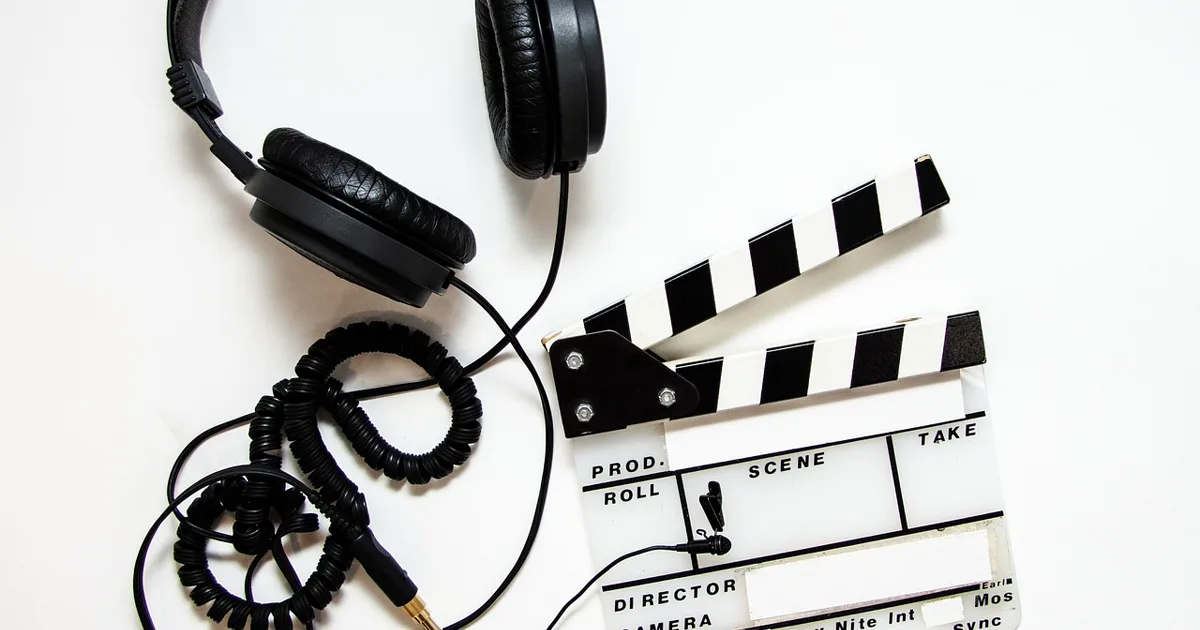
We own the room rather than book it by the hour. That's a specific tradeoff, not a philosophy. The room sits idle some weeks, and we carry that cost whether a job is booked or not. What it buys back: the ability to say yes to a small job on short notice, the kind a day-rate rental clock would talk us out of. This isn't an argument for owning everything that passes through the door, though. Some gear we still rent — and it's worth being precise about which.
The Small-Job Flywheel
The case for ownership isn't really about the big job. It's about the small one — the one-day edit pass, the same-week mix, the favor-priced project for a director we haven't worked with before. Bill Macomber, who built Fancy Film from a single Mac and a Kona card, put it plainly: owning his own tape decks freed him to take small jobs, which often grew into larger jobs by connecting him with new clients — work that would have been economically infeasible had he needed to rent the decks for each one. Rental math filters by ticket size. If a job has to clear a day rate on the gear before it clears a day rate on your time, small jobs stop being worth taking at all. Own the room and that floor disappears. The small job becomes a client relationship instead of a rounding error.
We've watched this play out the same way, and it's part of the case we made for keeping to one room in the first place. A short favor project rarely pays for a rental booking on its own. It pays eventually, in the referral or the follow-on job that only exists because we said yes the first time.
Capital-Intensive, Not Equipment-Heavy
None of this makes post production cheap to run. Evan Schechtman of Outpost Digital frames it bluntly: post, even as individual tool prices fall, is still a capital-intensive business. The room, the storage, the monitoring chain, the calibration — that overhead doesn't disappear just because a camera got cheaper. What changes is where you spend it. Outpost's model — a small core staff surrounded by a pool of trusted freelancers, rather than a roster sized for peak demand — is the staffing version of the same logic we apply to gear. Own what's always in use. Keep everything occasional-use flexible instead.
That's the actual discipline behind "we own the room." It isn't comprehensive ownership. It's owning the one piece of infrastructure that's booked often enough to justify the overhead, and treating everything else as a rental decision, a freelance decision, or an outsourcing decision, case by case.
What We Still Rent, and Why
Ownership economics have shifted hard over the last fifteen years. A broadcast documentary kit that cost over £150,000 in 2010 assembles today for around £10,000 — a camera body, a tripod, autofocus glass. That collapse is real, and it's part of why owning the room makes more sense now than it might have a decade ago. But it doesn't make renting obsolete. Anamorphic glass, movement rigs, a lighting package with the modifiers and flags that come with it — these stay rental decisions even for a shop that owns its core room, because the right-tool-for-the-job argument survives cheap ownership. A DP who owns one camera will often reach for it regardless of fit; a specific shoot may call for a different spec entirely. The room is fixed and always-on. The glass and the rig are occasional and job-specific — two different decisions, and conflating them is how a shop ends up either under-equipped for the work in front of it or carrying overhead it can't use often enough to justify.
What Ownership Actually Buys a Client
None of this is really about the equipment. A client hiring us isn't paying for the room — they're paying for a shop that can say yes without a rental clock running against the schedule. That's availability and continuity, not just a lower line-item cost. It also has to track what the work can actually pay: independent music video budgets are consistently smaller than people assume going in, and a rental-dependent shop prices itself out of that work before the conversation even starts. Owning the room keeps that door open on the film side. The same logic runs through how we approach a music spotting session or a sound mix — the fixed cost is the room, not the relationship.
A Working Note
Owning the room is a decision about which jobs we can afford to take, not a vanity purchase or a hedge against inflation. The room stays fixed. The glass, the rig, the mix stage we don't have in-house — those stay a rental or an outsourcing decision, made fresh for each job rather than settled once and forgotten. That's the whole model: own what's always in use, rent what's occasionally needed, and let the small job in the door.
Keep reading
More from the journal →