August 16, 2025 · 2 min read
Why we scout the sound before the picture
A working note on reversing the usual prep order. Most crews scout a location for the frame first; we scout it for the sound, and that changes the shoot.
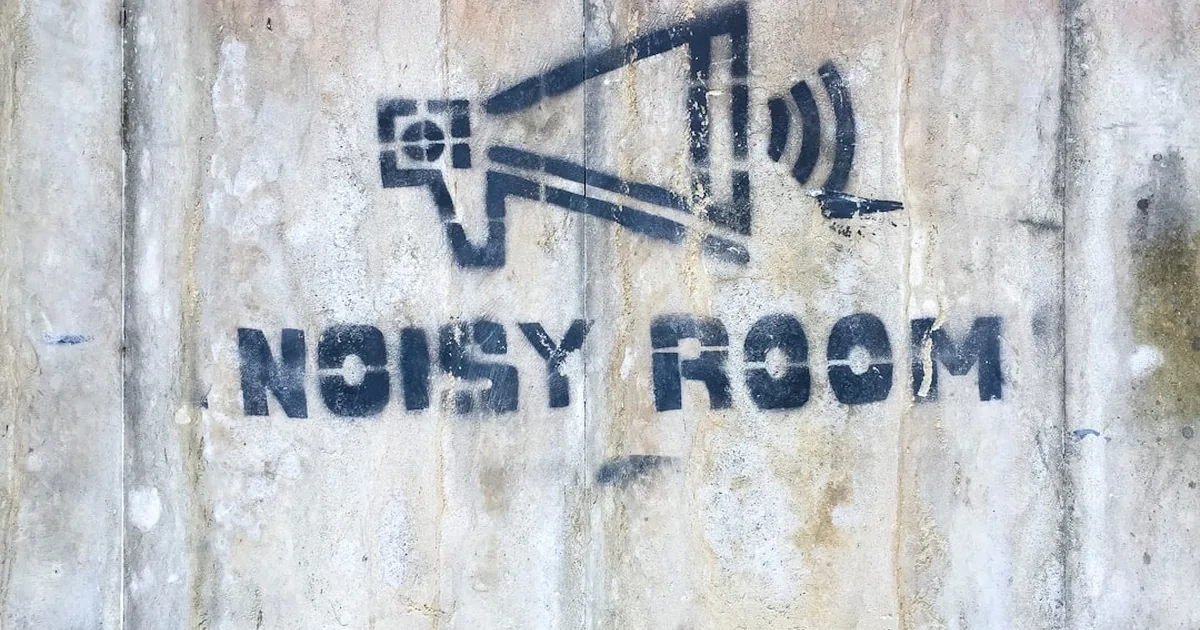
Most crews scout a location for the frame. We scout it for the sound. Before anyone settles where the camera sits or how the light falls, we stand in the empty room and listen — to the refrigerator cycling, the road outside, the air handler nobody can switch off. A picture can be made to work almost anywhere. The sound cannot.
That order is deliberate, and it has rescued more festival cuts than any piece of gear we own. A space that looks right but reads wrong on the dialogue track becomes a problem you carry all the way to delivery, where, as IndieWire has put it plainly, unclear sound is a deal breaker.
What we listen for first
The mixer can only record what is in the room, so the room sets the ceiling on everything that follows. We listen for the noise that is predictable and therefore avoidable: heating and ventilation, refrigeration compressors, fluorescent ballast hum, plumbing in the wall, traffic at the nearest window. Sound on Sound keeps a running tally of these for a reason. Most location noise announces itself, if you arrive early enough to hear it.
We listen for what the room does to a voice, too. Hard parallel walls, a tiled floor, a low ceiling — each one colours dialogue in a way that is slow and costly to undo.
The math is unsentimental. Capture clean production audio and you are roughly ninety percent of the way to a finished track. Miss it, and the budget that should have paid for the mix pays for repair instead. Restoration software is good now, but it cannot return frequencies that were never captured — a point independent mixers make again and again in Filmmaker Magazine.
What we changed once we reversed the order
Once sound led the recce, the recce got longer and quieter. Understanding a space — its reflections, its background level, the hour it goes still — is most of the work, as location recordists like Chris Watson have said for years. The recording itself is the easy part, once the place is understood.
Three things changed in practice. We schedule around a room's quiet windows instead of fighting its loud ones. We pick the workable room over the photogenic one when the two disagree, and we let the camera adapt. And we still record room tone in every space — the recce tells us what a room sounds like, and the tone gives us the material to match it later.
None of this is about equipment. It is a decision, made early, that the sound is not something we will salvage in post — it is something we design for first. The picture is where a film is seen. The sound is where it is believed. More working notes like this one live in the journal.
Keep reading
More from the journal →