June 24, 2025 · 3 min read
Working in spaces designed for other things
Most rooms we shoot in were built for something else. A field note on what inherited locations take from sound, light, and the plan we walked in with.
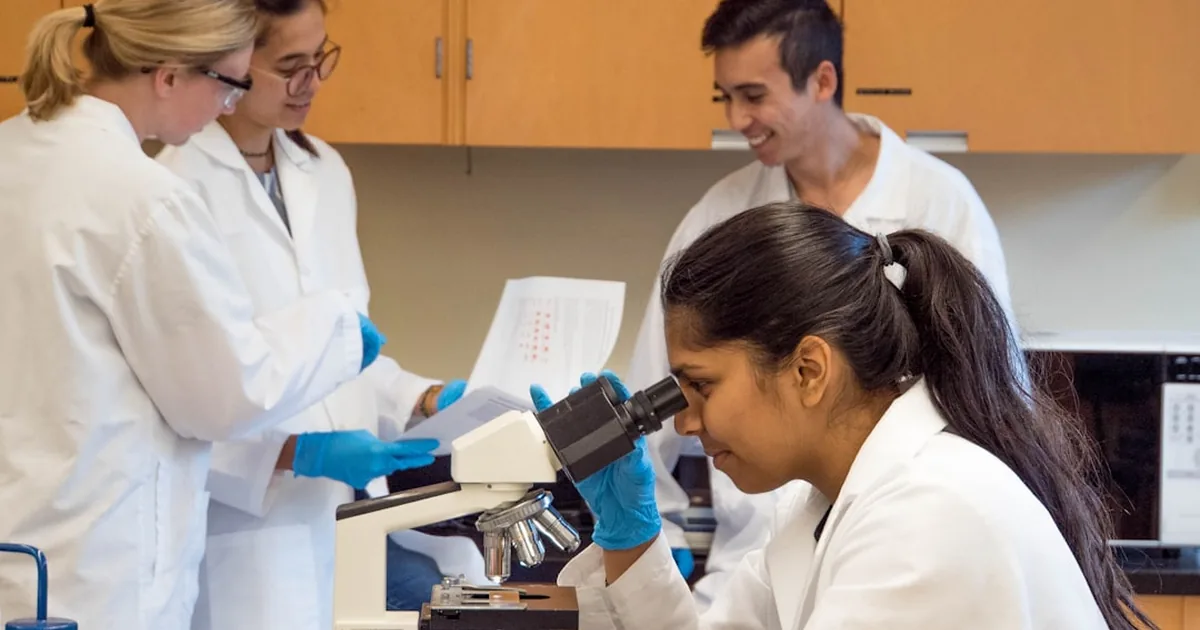
A lot of what we record and shoot happens in rooms that were never built for production. A borrowed apartment with the family photos still on the wall. A community hall that lets us in between two events. The back office of a venue we're also miking from the floor. That work is often the work we're proudest of, because it carries the kind of authenticity that's very expensive to duplicate elsewhere.
The trade is real, though. Practical interiors give us texture in exchange for control. Short ceilings, immovable walls, nowhere to hang lights, no rigging points, a noise floor that is whatever the building decided it would be that morning. The skill isn't pretending those constraints away. It's choosing which ones to fight and which ones to use.
What we noticed
The first surprise on a found location is almost always acoustic, not visual. A room that looked fine on the scout sounds entirely different at shooting time. Sound on Sound's advice on choosing a studio room — sit in the space for ten minutes at the hour you plan to roll — has saved us more than one schedule. Refrigerator cycles. Building HVAC. An upstairs neighbour's footsteps. The rattle of a distribution panel two rooms away. None of those are in the recce notes from a Tuesday afternoon walkthrough. They're in the take on a Saturday morning.
Hard parallel surfaces and a glazed window wall are the other quiet trap. Together they produce flutter echoes and standing waves that no microphone placement removes in post. We've walked into beautiful rooms whose sound was a problem we couldn't actually solve, and rooms whose ugliness, acoustically, was a gift.
Light behaves the same way across a day. A south-facing window is generous at eleven and a problem at three. The light plan that worked in the scout's photograph is rarely the light plan that holds through a six-hour shoot, and the photograph was taken at the wrong hour about half the time we go back to check.
What we changed, or kept
We send the production sound mixer in before the DP now. The Wikipedia reference for production sound mixers puts it plainly — the recordist's first job is to travel to each potential shooting site and scout any potential audio disturbances. The room dictates the kit, not the other way around. We had been treating that as a courtesy step. Now we treat it as the scout.
What we kept is cheaper than the gear bag suggests. Soft furnishings, irregularly-filled bookshelves, and heavy curtains across reflective surfaces remain the first-pass treatment on a found room. Acoustic foam comes out only when those run out of room. For light we go lower-and-closer when the ceiling won't accept a stand, and we accept the heat the location adds to a small room and plan turnover around it.
What we kept, too, is the willingness to walk a space when the room asks for more compromise than the picture can absorb. We have built small sets in worse rooms than we've shot in. The discipline is the one we wrote about in the note on cutting on the original timeline — front-load the friction and the back end gets honest.
Most of the history of independent film, as Filmmaker Magazine has written, is the history of crews working in rooms designed for something else. The sound that comes out of those rooms is part of what makes them recognisable on screen. We follow that line in the cold-weather note too — the field-notes series is mostly about what the room takes, and what it gives back.
Keep reading
More from the journal →