October 30, 2026 · 4 min read
Working With Players We Never Meet
A remote session is a handful of files and one written brief. What to settle on the call, what a usable take looks like, and what the contract must say.
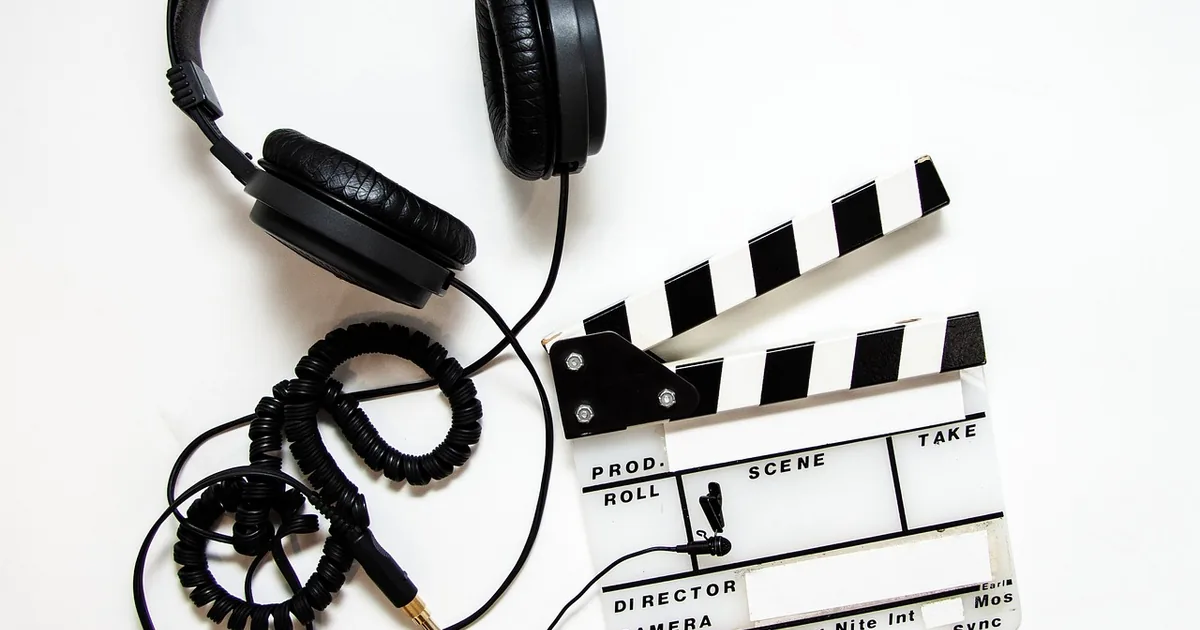
The session is a handful of files
When we hire remote session musicians for a film score recording, nobody is in the room. The player records somewhere we will never see and sends back audio. Everything we would have said with a nod or a raised hand has to be in the brief, in the files, or in the contract. That's a smaller surface than it sounds. It's worth getting right before the first file moves.
The call before anyone plays
Have a technical call first. Find out which DAW the player works in, what session format they want, and agree the sample rate and bit depth in advance, as Film Scoring Tips advises. Changing either after a take is recorded costs everyone a day.
Then send what players usually ask for: a MIDI file of the mockup, a stereo WAV or AIFF of the full mockup, and a stereo mix-minus, which is the mockup without their instrument. Some players also want a solo of their line. Export every file from bar 1, silence included, so they all line up when dropped into a session without a page of instructions. Label them by cue and file type, so "Main Title – MIX MINUS" cannot be mistaken for the full mix.
The brief has to carry what the room would have
In a room, a player hears what the director means by "less". Remotely, you write it down. Say which parts of the mockup to copy and which to treat as a sketch. If the mockup has a synth bass that is only holding the harmony, say so, or you will get a faithful copy of the wrong thing.
The score matters more, too. Large staves and readable phrasing help, and if we will not be on the call, we add a little more dynamic and articulation detail than we normally would, without crowding the page. We wrote about what changes when the score is played in the room; a remote session removes most of those corrections, so the page has to do the work.
Backing material is also uneven. One working bassist describes receiving a track played more or less free form, without a click, with little harmonic content to play against. The player adapts, but a click, a reference and a clear tempo map spare them from guessing.
What a usable take is
A usable take arrives aligned to bar 1, labeled, at the agreed rate and depth, and answers the brief. If we asked for options, it includes them. It should not need a second email to explain what it is.
Responsiveness is part of it. The same bassist notes that being easily contactable gives the client peace of mind, and that clients want files quickly when they work to deadlines, though a session should never be rushed. If we monitor live, a tool such as Source Connect lets us follow along almost as if present. Plan for it to drop: one composer's connection to a European orchestra failed mid-session, and the fallback of a video call and then phone calls was poor.
Delivery and revisions
Agree the transfer method, the file format and the return time before the session. Test that the service works in the player's country; several common ones are blocked in some places. Then settle the revision policy: how many rounds are included, how quickly they come back, and how soon we must ask.
Time zones can work in our favor. A player several hours ahead can record while we sleep, and we wake to a take to approve. The same logic applies to approving a mix across three time zones.
Fees, multiple parts and the buyout in writing
Two things get missed. Parts, first. The AFM's Local 47 has warned that, under the Basic Theatrical, Television Motion Picture, and Sound Recording Labor Agreements, musicians asked to record and deliver separate, multiple parts must receive separate session payments. A player who layers three parts has not done one session. Check the agreement that applies to your production and budget for it.
Rights, second. Never assume a blanket buyout; write it. Unless the contract says otherwise, the performer keeps the copyright in the performance and the producer holds a licence limited to the agreed use. A session contract should cover the fee and overtime, the usage (media, territory and duration), any re-use or buyout, credit, and cancellation. Make sure the person signing has the authority to bind the producer.
Who played what, and under which terms, is information the cue sheet and the music clearances depend on, so the paperwork pays off twice.
A working note
Before the first file moves, put the brief and the terms on one page: the technical spec, the parts wanted, the delivery date, the revision count, the fee, and the buyout or its absence. It takes ten minutes and replaces the conversation we cannot have in the room.
Keep reading
More from the journal →