August 6, 2026 · 4 min read
Mixing Loudness for Theatrical vs. Streaming: The Two Passes We Run
Theatrical loudness is a calibrated room; streaming loudness is a measured file. We walk through why those are two different problems, what LKFS actually controls, and the stereo fold-down most mixes never separately check.
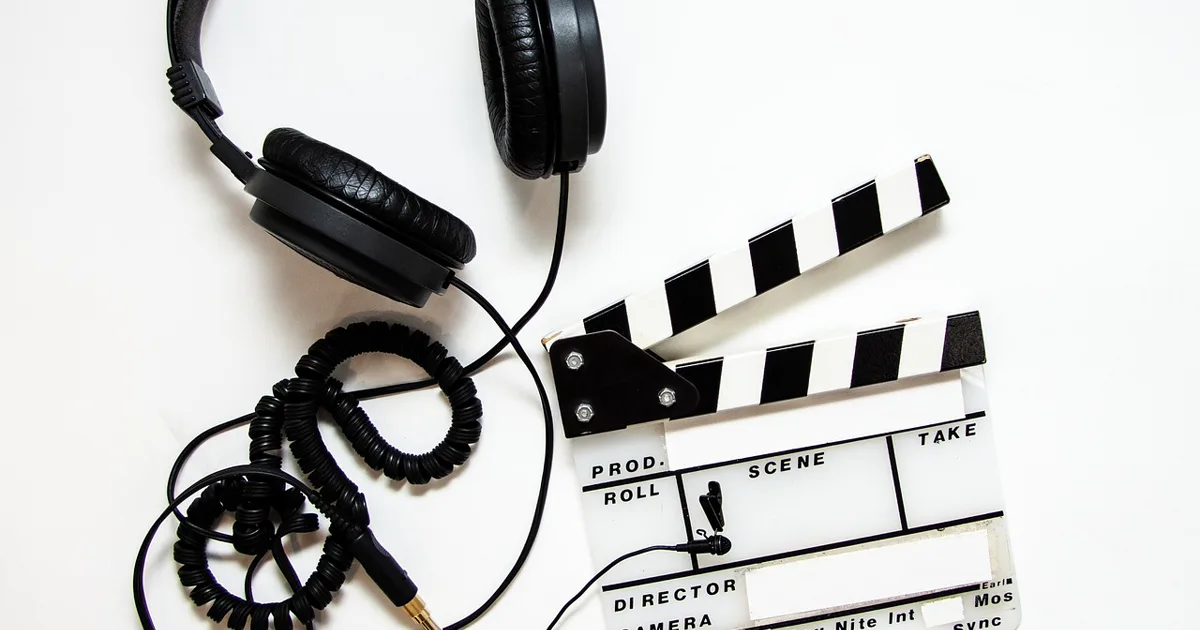
We run two loudness passes on every feature we mix. Not one path with a downstream tweak — two separate decisions, two different reference points. That's not caution. "Theatrical" and "streaming" aren't the same target measured two ways; they're two different definitions of loud, each built on its own kind of reference.
One is a calibrated room. The other is a number pulled from the whole file, regardless of what room it eventually plays in. Confuse the two and you'll ship a mix that's correct on the dub stage and wrong on a phone.
Here's the split as we think about it: what each reference actually controls, and the one checkpoint — the stereo fold-down — that catches mixes other people ship without ever noticing.
The theatrical reference is a room, not a number
The 85 dBC, fader-7 calibration
The theatrical reference goes back to Dolby's mid-1970s dubbing-stage recommendation: set a pink-noise signal to 85 dBC with the cinema processor's fader at a calibrated "7" on a 0-to-10 scale, and a theatre built to that spec reproduces the same absolute loudness the director and mixers heard on the dub stage. There's no file-level number here. The reference is acoustic, tied to a physical room calibration, not to anything a meter plugin can read off the master. It's part of why we still master to 5.1 for theatrical cuts even on projects where Atmos is the hero format — the calibration assumption underneath the whole theatrical chain expects a discrete surround field, not a folded-down stereo signal wearing a surround label.
Associative loudness
Dialogue in a theatrical dub isn't set against a number either. Mixers call it associative loudness: the dubbing mixer sets the dialogue level in a moderate close-up to be plausible for what's on screen, generally within 2 to 3 dB of what the audience would expect from that framing, and adjusts only when music or effects are actually competing for the same space. It's a convention driven by picture, not by a target — specific to the theatrical dub, with no real equivalent in a streaming loudness spec, which measures the whole program's average rather than what's happening on screen at a given second. It's a big part of why we keep a separate dialogue session at the mix: a line that reads correctly against picture in a calibrated room can still get buried the moment the reference changes.
What LKFS actually measures for streaming
Integrated loudness, not peak loudness
Streaming works from a different instrument entirely: LKFS, sometimes written LUFS, measured per the ITU-R BS.1770 standard. It's an integrated average across the whole program's runtime, not a peak SPL in a calibrated room. Broadcast television, under the ATSC standard, targets -24 LUFS integrated. Music and video streaming platforms have converged closer to -14 LUFS after Spotify brought its own target down from -11. Neither number means anything to a dub-stage fader. They're properties of the file, checked once, long before it reaches a room.
Normalization happens at the player, not the mix
The more consequential difference is where the correction actually happens. Streaming platforms increasingly manage loudness through metadata-driven dynamic range control applied transparently at playback — a static gain offset the platform applies, not something baked destructively into the master. That shifts the job from "hit this number in the mix" to "protect the dynamics, because the platform will turn it down anyway." Mastering philosophy inverts as a result: the aggressive limiting that once made a master competitive in a peak-normalized world is actively counter-productive once a platform turns every title down to the same ceiling. Dynamic range becomes the thing that reads as quality — not the thing you sacrifice for loudness.
The stereo fold-down nobody checks
Most streaming and home viewing happens in stereo, automatically downmixed from the hero surround mix, and that fold-down is frequently never monitored on its own. A mix that sounds dynamically gorgeous in 5.1 on a calibrated dub stage can bury a line of dialogue the moment it collapses to two channels on a laptop speaker. The associative-loudness decisions that made sense against a discrete surround field don't automatically survive the fold.
That's why we still QC on a calibrated monitor before a film ships anywhere, theatrical or streaming — not just the hero mix, but the fold-down specifically, in the format most of the eventual audience will actually hear it in.
One pass doesn't replace the other
Two references, two philosophies. One built around a calibrated room and associative dialogue level, one built around a measured file and player-side normalization. Neither substitutes for the other, and a mix optimized purely for one will have blind spots in the other.
In practice, the fold-down check happens before a clean M&E stem goes out the door, not after — it's cheaper to catch there than in a foreign broadcaster's QC note. At bottom it's a sound problem before it's a delivery-spec problem: get the dialogue and dynamics right against picture first, and the numbers tend to follow.
Keep reading
More from the journal →