July 18, 2026 · 4 min read
Why We Still Master to 5.1 for Theatrical Cuts
Every theatrical mix at Still Field still gets a dedicated 5.1 master, even on Atmos-budget projects. Immersive formats can't play back in non-immersive rooms, the Atmos bed layer isn't a substitute for an ear-balanced downmix, and festival delivery specs still default to six-channel PCM. The 5.1 master isn't a legacy step -- it's the version that actually gets a film seen across every room it's booked into.
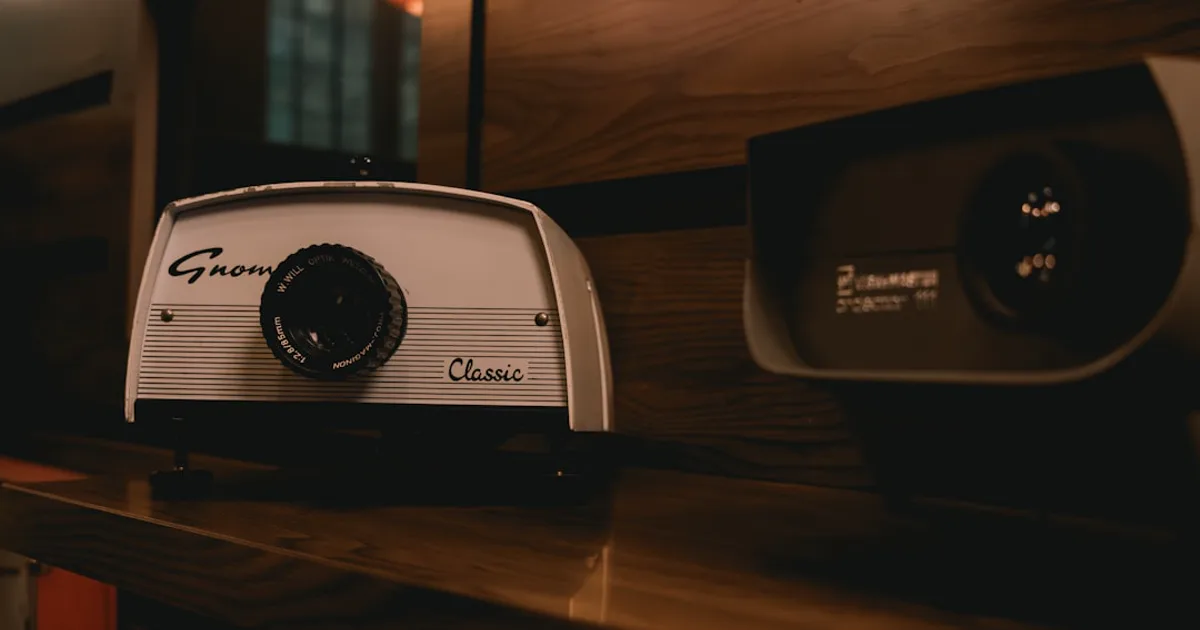
Every mix that goes out to a theatrical screen at Still Field still gets a dedicated 5.1 master — even on projects where we've got the budget and the venue for an Atmos pass. That's not a legacy habit we've never gotten around to breaking. It's the version of the film that actually gets seen.
Atmos and DTS:X get the trade coverage. Immersive sound is the thing that shows up in a festival premiere's tech rider, the thing sound designers won't stop posting about. But the format doing the unglamorous work of getting a film into every booked room — from a multiplex with a full object-based rig down to a two-hundred-seat repertory house running the same processor it's had since the early 2010s — is still the oldest one in the stack.
Here's what a 5.1 master actually guarantees, why the "bed" layer inside an Atmos deliverable isn't a substitute for it, and what the festival circuit's delivery specs tell you about which version of a film is doing the real work.
What a 5.1 Master Actually Guarantees
The 1992 baseline
5.1 — three front channels, two surrounds, one low-frequency effects channel — became cinema's digital-audio standard in 1992, when Batman Returns launched Dolby Digital's 5.1 layout on 35mm prints, with DTS following on Jurassic Park and SDDS on Last Action Hero within the year. Three decades later, that installed base is still the shared reference point across commercial multiplexes, festival screening rooms, and home AV receivers. It's not the newest format. It's the one everything else has to be checked against.
Compatibility is absolute, not a quality tier
The reason we don't treat 5.1 as a fallback we'll eventually retire is that immersive formats aren't backward-compatible in practice: an Atmos or DTS:X DCP simply will not play correctly in a non-immersive auditorium. That's a hard technical wall, not a preference. And the cost of that wall is compounding — what used to be roughly a dozen deliverable versions for a domestic theatrical release is now twenty to thirty once you stack 5.1, 7.1, Atmos, HDR variants, and accessibility formats on top of each other. Of all those versions, 5.1 is the one every venue can decode.
The Atmos Bed Isn't a Substitute
What the "bed" layer actually is
Atmos DCPs carry a channel-based mix underneath the object-based layer — Dolby calls it the bed. A non-Atmos auditorium plays that bed and never touches the objects riding above it. On paper, a 5.1 deliverable sounds like it's already sitting inside every Atmos mix, ready to go.
Why we still commit to an independent 5.1 pass
In practice, we don't trust that fold-down on a wide release. Height-channel decisions in an immersive mix — where a sound lives when it's meant to move overhead — don't translate cleanly downward into a fixed five-channel array. It's the same instinct behind why we keep a separate dialogue session at the mix: a derivative generated automatically isn't the same as a version balanced by ear for the room it will actually play in. If the 5.1 master is going to carry a film into most of the rooms it's booked into, it earns its own pass.
The Festival Circuit Runs on 5.1
What the delivery specs actually say
Pull any recent festival tech spec and the surround-sound default is unglamorous: six channels of 24-bit PCM audio — the classic 5.1 layout. True immersive presentation is the exception on the circuit, not the rule. Plenty of venues can only run a stereo LtRt folddown, and a smaller subset can handle 5.1 at all.
What this means for a film booked into dozens of rooms
A festival run puts a film into rooms of wildly different vintage and budget over the course of a few months. The 5.1 master is the version we know will play correctly in nearly all of them. An Atmos-only deliverable would strand a film in most of the rooms it needs to screen in — which is really the same question as choosing a DCP house and why we hand-deliver the final master when we can: control what reaches the projector, not just what sounds best in the mix room.
Mastering to 5.1 isn't a step backward from Atmos — it's the version doing the real work of getting a film seen, in the room it's actually booked into rather than the room we wish every venue were. It's the kind of decision that ends up buried in a long deliverable list rather than a marketing line, which is exactly where it belongs. On the sound side, that's the discipline: build the mix that plays everywhere first, then build the version that shows off what the room can do.
Keep reading
More from the journal →