July 13, 2026 · 4 min read
Sound Design as Story, Not as Polish
Sound gets scheduled like it's the last coat of paint on a finished film. Treated that way, it never becomes more than that. We think the decision belongs earlier — at the spotting session, not the mix — and the difference shows in every frame it touches.
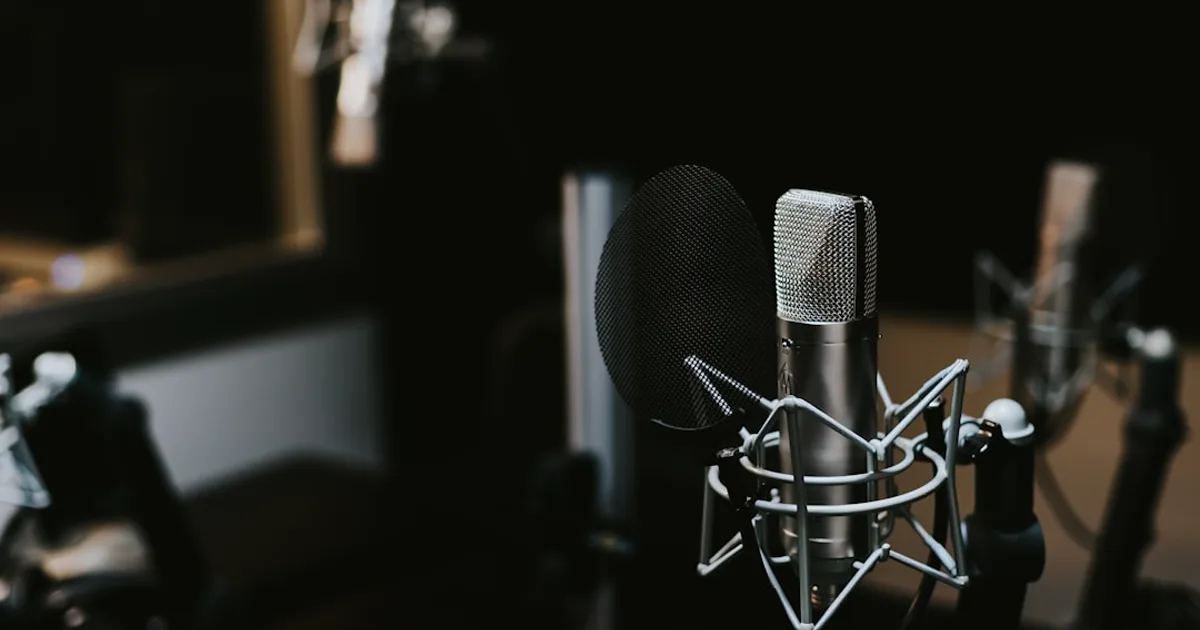
Sound gets scheduled like it's polish. It lands at the end of a post schedule, after picture lock, after color, in the week the budget is thinnest and the patience is thinner. Treated that way, it stays polish — a coat applied to a finished thing, easy to thin out the moment the calendar tightens.
We don't think that's what sound is for. Nothing in a finished mix is there by accident. Every layered impact, every beat of silence before a cut, every decision to let dialogue breathe or bury it under room tone — that's a narrative choice, not a technical one. The real question is when it gets made, not whether someone eventually makes it.
So what follows isn't a defense of sound design. It's a description of where the decision actually belongs, and what changes when it moves.
Constructed, not captured
A gun in an action film doesn't sound like a gun. It sounds like a bass sweetener, an impact hit, and a handful of debris layered so tightly the brain fuses them into one sound — because the goal was never acoustic accuracy. It was the feeling of the shot landing. Sound design trades acoustic accuracy for dramatic effect on purpose; realism is a tool available to the designer, not an obligation.
Contrast and silence run on the same logic. A sparse exterior cut against a chaotic interior tells the audience where to feel the scene from before a single line of dialogue confirms it. And a quiet beat held just before an impact does more dramatic work than raising the fader ever could — it spends the audience's attention instead of their eardrums, and it preserves headroom for the moment that actually needs it. None of this is decoration. It's staging done with sound instead of blocking, and it only works if someone was thinking about the scene's emotional shape before they opened a session. The layering choices are downstream of a decision, not a substitute for one.
The decision happens before the mix
The title "sound designer" didn't always exist. Francis Ford Coppola gave it to Walter Murch in 1969, on The Rain People, and the definition that came with it mattered more than the credit: responsibility for the whole of a film's audio track, not one stage in a workflow someone else designed. That's the origin of the role as authorial rather than technical, and it's the distinction we still work from.
In practice, that means the sonic intention of a film gets set well before anyone touches a fader. We run a music spotting session with a director precisely because the questions worth asking — where does score carry the scene, where does silence, where does a single practical sound do the job of both — are script-level questions. Answer them at the mix instead, and you're not designing sound anymore. You're patching a decision nobody made.
Where the disciplines answer to one intention
Dialogue, ADR, effects, Foley, and music editing are distinct crafts with distinct sessions and distinct people who are good at them. A Foley artist building footsteps and a dialogue editor cleaning a boom track are rarely even in the same room, let alone thinking about the same beat of the same scene. They only add up to sound design when all of them answer to one narrative decision instead of five separate technical ones. Industry bodies describe sound editors in exactly these terms — narrative craftspeople across disciplines, not technicians finishing someone else's film.
It's also why we keep a separate dialogue session at the mix rather than folding it into the general effects pass. Dialogue carries the plot; it can't be treated as one texture competing for headroom among many. Protecting it as its own discipline, with its own pass, is the same instinct as the spotting session — the story tells you which element needs to lead, and the schedule has to follow that, not the other way around.
The takeaway isn't that sound deserves more hours. It's that the hours need to move earlier. A film that treats sound as polish will always sound like polish — competent, clean, forgettable. A film that treats it as story asks the sound question at the same table as the script question, which is where verité ethics in the editing room get decided too — what does this sound owe the truth of the scene, asked before the truth of the scene is locked. That's the pillar we keep coming back to: sound isn't the last thing added to a film. It's one of the first things decided about it.
Keep reading
More from the journal →