July 9, 2026 · 4 min read
The Slow Return of the Theatrical Short
For most of the last two decades a short film's theatrical life ended at the festival. A handful of touring programs and pop-up bookings are now rebuilding a pathway back to the marquee — not as a box-office play, but as a way to build an audience that lasts.
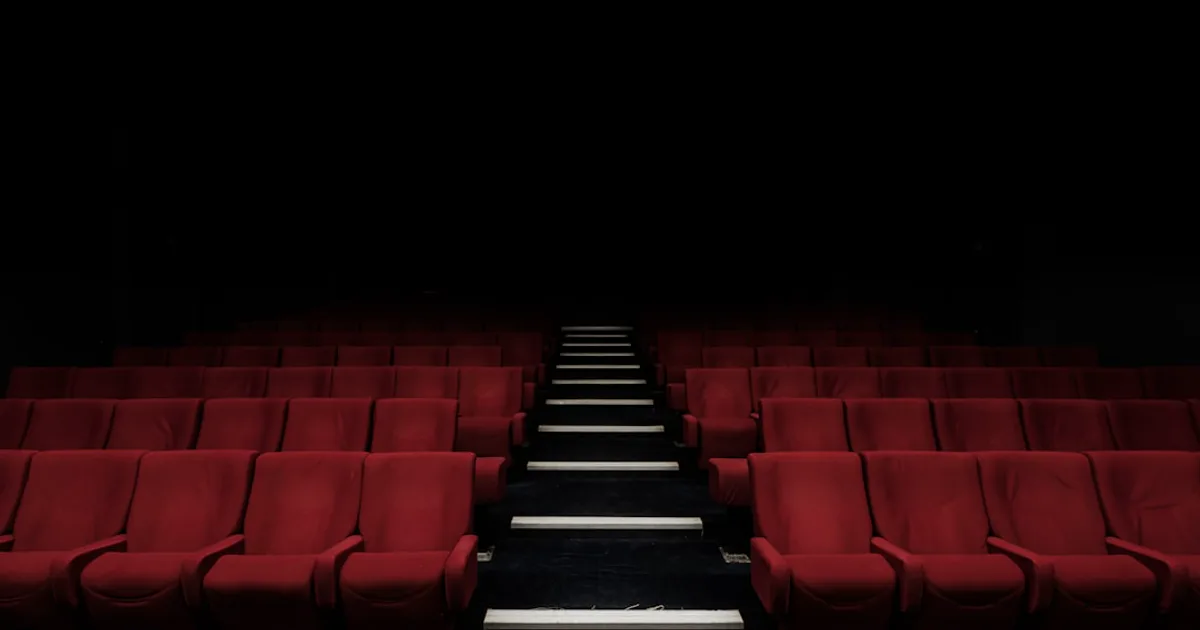
Why the Pathway Disappeared in the First Place
For most of the last two decades, a short film's theatrical life ended the moment its festival run did. Roadside Attractions distributes the Oscar-nominated shorts — live-action, animated, documentary — as an exclusive theatrical program every year, timed just ahead of the Academy Awards ceremony, and for a long time that yearly package was close to the only reliable bookable slot a short had on a commercial marquee. Everything else about the category made it a hard sell to an exhibitor. A twelve-minute film doesn't fill a ninety-minute slot on its own, doesn't carry a marketing budget, and doesn't have a built-in audience walking in the door. Exhibitors optimize for concessions and turnover, and shorts move neither number. So the format got squeezed onto the festival circuit and stayed there.
Four-walling — renting a theater outright rather than being booked by a distributor — used to read as a tell. If a film was four-walling its own release, the assumption ran, nobody with a real distribution deal wanted it. That reputation is now being rewritten from the inside: filmmakers are redirecting the same energy toward touring screenings, pop-ups, and community events that prioritize audience legitimacy over box-office scale. What once signaled a film had failed to land a deal now concentrates demand into a single night, creates real urgency around a ticket, and turns a screening into a relationship with a specific audience rather than a transaction with an anonymous one. A festival submission that went wrong teaches the same lesson from a different angle — a theatrical booking, like a festival slot, has expectations that go well past finishing the cut.
Who's Building the New Pathways
The clearest evidence this pathway is real, not just a headline from one distributor's annual package, is that multiple organizers are now building recurring theatrical infrastructure specifically for short-form work. Sundance's 2026 Short Film Tour packages six standout shorts from the festival — three of them award winners — into a 96-minute program that tours commercial and community venues after Park City closes, extending a short's theatrical exposure well past its premiere week. A newer strand from the same festival, Park City Legacy, goes further: archival shorts, screened with the filmmakers present, built around theatrical revisitation rather than pure discovery. That's a meaningfully different bet on what a short's theatrical life can be.
On the exhibition side, the Popcorn List's Pop Up Series works a similar angle. Now in its second annual edition, it plays undistributed films — shorts among them — across roughly a dozen theaters, with an encore during Gotham Week in October. None of these programs are chasing box-office return. They're treating the booking itself as the marketing asset — the thing that manufactures press, legitimacy, and a reason for an audience to show up in person, at a moment when a straight-to-festival or straight-to-streaming life doesn't generate any of that on its own.
What a Theatrical Booking Actually Asks Of a Short
None of this happens with a festival screener file. A short that's actually going to sit on a DCI-compliant screen needs the same deliverable discipline a feature does. The deliverable list a festival actually asks for is a reasonable starting checklist, and so is picking a DCP house that won't hand back a package with the wrong color space or a subtitle track that doesn't conform. These aren't glamorous steps — and they're exactly the ones that get skipped when a short is finished with only a laptop screening in mind.
They matter most on the sound side. A mix built for a MacBook speaker or a pair of AirPods reveals almost nothing about how a room will actually carry it. Low end that never showed up on a screener suddenly has somewhere to go, and dialogue that felt loud enough in a quiet office can get buried under a real system with an audience breathing in the seats. A short built for a theatrical slot has to be mixed for a room, not a device — that's a decision that has to be made well before the booking is confirmed.
A short working note
The theatrical short isn't coming back as a business model. Nobody's pretending a twelve-minute film will move tickets the way a studio release does. It's coming back as a relationship-building tool, and the organizations building the infrastructure for it are treating it exactly that way. Worth asking, on any short currently in the edit: is this being finished for a screener, or for a room with real speakers behind the screen? The answer changes more of the workflow than it looks like it should — starting with the mix.
Keep reading
More from the journal →