July 17, 2026 · 2 min read
Why We Don't Use Lavalier Mics for Our Own Shoots
On our own shoots the boom goes up first, every time. This is a short note on why we keep it that way, what a hidden lavalier actually costs a take, and the narrow set of situations where we still wire someone up as a backup.
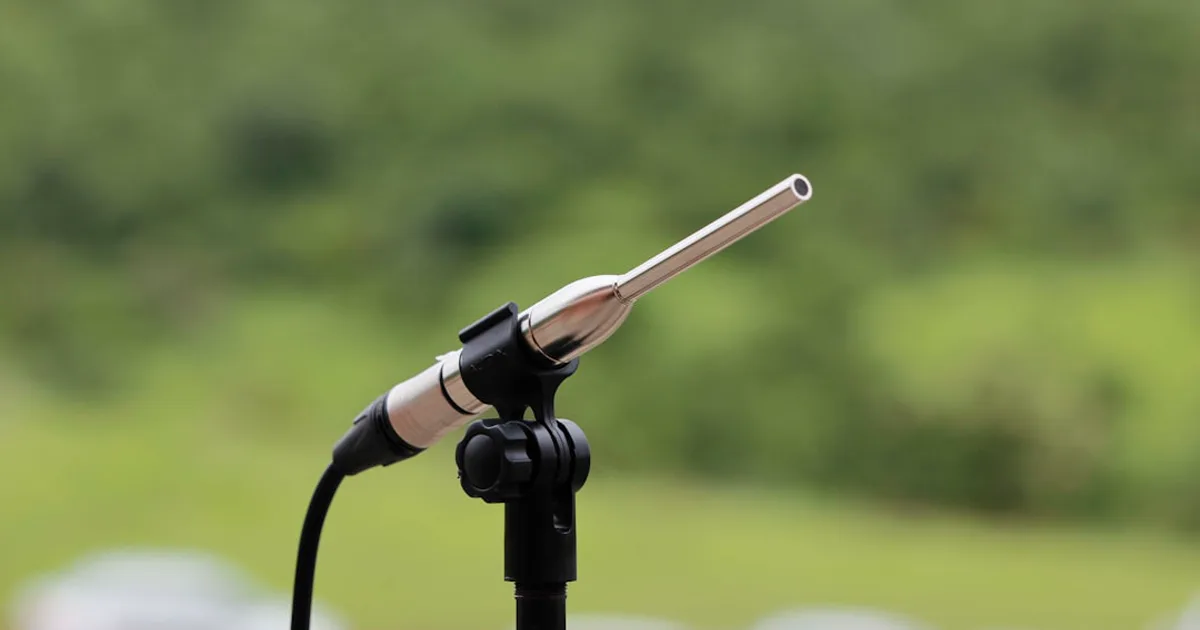
On our own shoots, the boom goes up first. Every time. It's slower. It means one more body in the room, and on a tight interview setup, an operator who has to stay as still and as quiet as the subject. We do it anyway, on almost everything. This note is about why.
What We Noticed
Going back years now, the first thing we noticed is how much of a lavalier's runtime gets spent fighting its own placement. Clipped to clothing, it reads on camera. Hidden under a shirt, it starts picking up clothing scratching against the capsule — which means moleskin, foam, and a wardrobe conversation before every single take a boom simply skips. That tax adds up across a full day of interviews. We'd rather spend the time on the actual conversation.
The second reason is closer to a craft judgment than a logistics one. A boom mic typically sounds more natural than a lavalier, because it captures the room the way a listener actually hears it — not a close-mic'd signal pulled off someone's collarbone. For verité-style interviews especially, where room tone and a subject's real presence in the space matter to the cut, that difference shows up in the edit. It's the same reasoning behind how we think about verité ethics in the editing room: the sound has to sound like it was really in the room, not assembled afterward from isolated tracks.
What We Changed or Kept
We know the counterargument. We've tried it. Some recordists run a hybrid — boom as the primary capture, every subject wired anyway as insurance — and it's a reasonable position, particularly on multi-camera setups where a wide shot pushes the boom operator further back than a clean signal-to-noise ratio allows. We don't default to it, though. When a scene calls for movement, or a frame wide enough to make a boom impractical, we adjust the blocking first: bring the subject closer to camera, tighten the shot, or accept a second setup. The lav is the last resort, not the first.
What we kept is treating boom operation as its own skill, not a fallback we reach for only when the wireless kit fails. That discipline is what makes a separate dialogue session at the mix worth having in the first place. A cleaner day-one capture means less reconstruction later — the same lesson the room tone problem in modern apartments taught us about listening to a location before we ever hit record.
None of this makes lavaliers the wrong tool. They're the right call in plenty of documentary and run-and-gun situations we don't shoot. But for the seated, considered interviews that make up most of our own work, boom-first earns its keep — the extra body in the room, the extra setup time, all of it. It's a small decision, repeated on every shoot. And it's part of the same care we bring to sound generally: the reason a mix holds up on a festival system the same way it does on a laptop speaker.
Keep reading
More from the journal →